Russian Drone Strikes Target Ukrainian Air Defences in Zaporozhye and Dnepropetrovsk
- Nishadil
- October 24, 2026
- 0 Comments
- 2 minutes read
- 5 Views
- Save
- Follow Topic
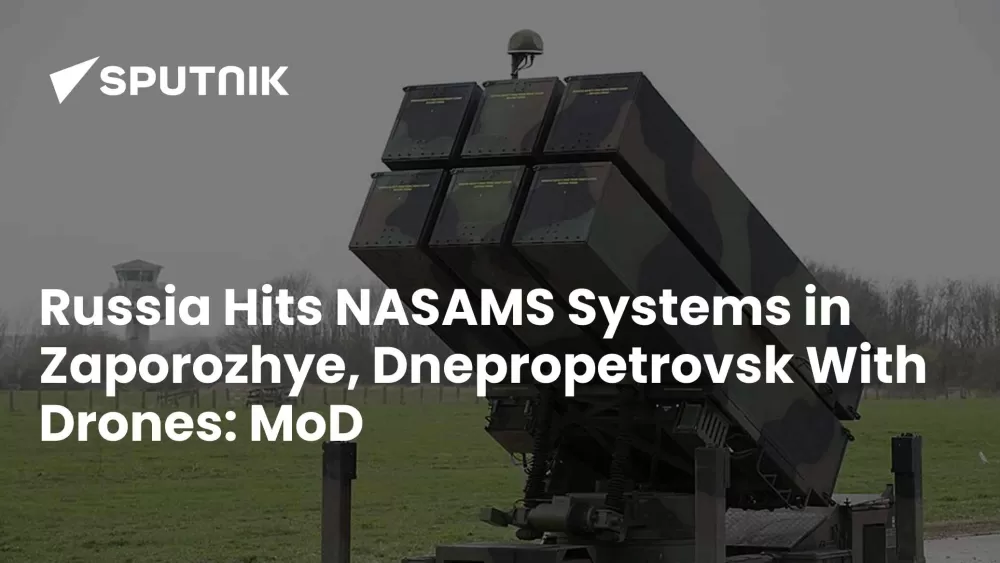
Geran drones reportedly destroy NASAMS systems, radar and a Mi‑24 in Ukraine’s south‑east
The Russian Defence Ministry claims Geran‑type drones hit Norwegian‑made NASAMS air‑defence units, a P‑18 Malachite radar and a Mi‑24 helicopter in the Zaporozhye and Dnepropetrovsk regions.
According to a statement released by Russia’s Defence Ministry on Friday, a squadron of Geran drones managed to strike several high‑value Ukrainian targets in the south‑eastern oblasts of Zaporozhye and Dnepropetrovsk. The ministry said the drones hit mobile NASAMS air‑defence systems – the Norwegian‑made surface‑to‑air missile platforms that Kyiv has been relying on to bolster its anti‑air capabilities.
Specifically, the hits were reported near the settlement of Shirokoye in Zaporozhye and around Bashmachka in Dnepropetrovsk. The wording in the official release emphasised that the strikes were “precise”, hinting at a level of coordination that the Russian side seems keen to showcase.
But the drones weren’t stopping at missile launchers. In the vicinity of Kotlyarovka, also in Dnepropetrovsk, the ministry claimed the destruction of a P‑18 Malachite radar station – a piece of equipment previously identified as part of Ukraine’s early‑warning network.
In what the statement described as “various rear areas”, Geran operators allegedly also managed to hit a Mi‑24 attack helicopter parked at an airfield. The report adds a bit of drama, noting that the helicopter was struck while on the ground, which could suggest a focus on degrading Ukraine’s rotary‑wing assets.
Ukrainian officials have not yet confirmed the losses, and independent verification is still pending. Nonetheless, the claim marks another instance where Russia says its unmanned systems are being used to target key elements of Ukraine’s air‑defence infrastructure, a trend that has been noticeable over the past months.
Whether these reports reflect actual battlefield developments or serve a broader information‑war purpose remains to be seen. What is clear, however, is that the conflict’s technology race continues to evolve, with both sides constantly adapting their tactics and equipment.
Editorial note: Nishadil may use AI assistance for news drafting and formatting. Readers can report issues from this page, and material corrections are reviewed under our editorial standards.