
RFK Jr. Dismisses Tylenol-Autism Study as 'Garbage,' Cries 'Cover-Up'
- Nishadil
- April 18, 2026
- 0 Comments
- 3 minutes read
- 42 Views
- Save
- Follow Topic
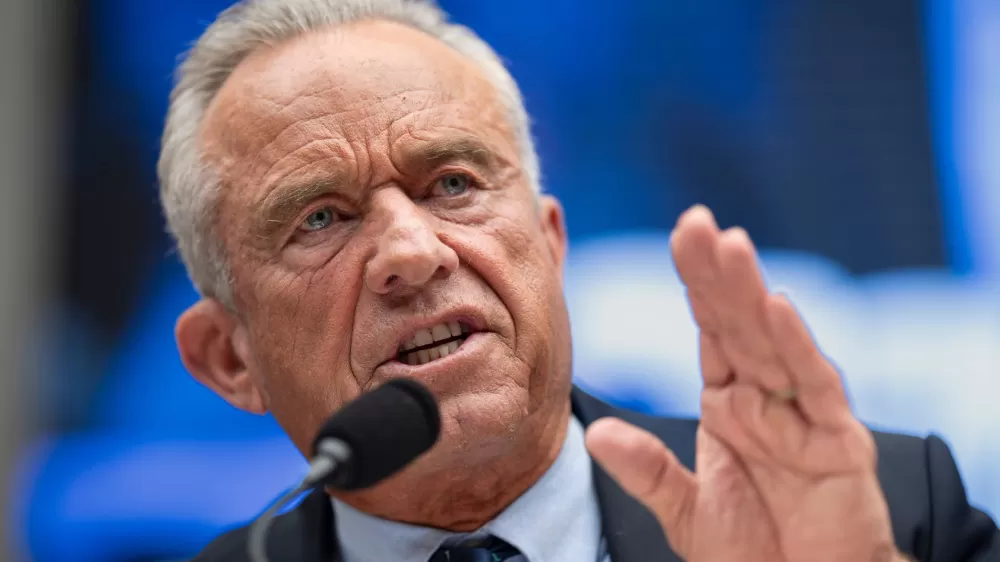
The Curious Case of RFK Jr.'s Latest 'Conspiracy': Why He's Calling a Tylenol-Autism Study 'Garbage'
Presidential candidate Robert F. Kennedy Jr. has vehemently rejected a new study suggesting a link between prenatal Tylenol use and autism/ADHD, labeling it 'garbage' and a 'cover-up' to deflect from his vaccine-related theories.
Well, here we go again. Just when you thought the public discourse around health and science couldn't get any more... well, interesting, presidential hopeful Robert F. Kennedy Jr. has once again jumped into the fray, this time aiming his characteristic skepticism at a new scientific study. The target? Research suggesting a potential, albeit modest, link between prenatal exposure to acetaminophen – that's Tylenol to most of us – and neurodevelopmental issues like autism and ADHD.
His verdict? Utterly dismissive. Kennedy wasted no time branding the study, published in the esteemed journal JAMA Psychiatry, as "garbage." And true to form, he didn't stop there. He went on to declare it all part of a grand "cover-up" orchestrated, he believes, by "Big Pharma" to deflect public scrutiny from what he sees as the true culprits behind the rise in autism rates: vaccines. It’s quite the accusation, really, especially when you consider that Tylenol isn't exactly a new kid on the block, nor is it a vaccine itself.
Now, if you've been following Kennedy's public statements over the years, this kind of pronouncement probably won't surprise you much. He’s built a significant part of his public persona on challenging mainstream scientific consensus, particularly concerning public health. From advocating against vaccines, which he has controversially linked to autism (a claim overwhelmingly debunked by scientific consensus, I might add), to suggesting Wi-Fi exposure can cause "leaky brain," his track record shows a consistent pattern of promoting alternative, often unproven, theories.
But let's pause for a moment and actually look at the study Kennedy so readily called "garbage." Researchers, diving deep into data from thousands of children, found what they described as a "modest" association. Crucially, they emphasized that this was not proof of causation. Rather, it highlighted a potential area for further investigation, suggesting that perhaps prolonged or heavy use of acetaminophen during pregnancy might warrant more discussion between expectant mothers and their doctors. It's the kind of nuanced finding that often sparks more research, not definitive condemnation.
And what's the general medical advice been up until now? For decades, acetaminophen has been widely considered a safe option for managing pain and fever during pregnancy when used as directed. Doctors typically advise caution with any medication during pregnancy, naturally, but Tylenol has remained the go-to recommendation for many. This new study doesn't suddenly make Tylenol toxic; instead, it adds a layer of complexity, suggesting that perhaps its use, particularly extended use, deserves a closer look.
In essence, what we have here is a classic clash: a scientific finding, carefully worded with caveats and calls for more research, being met with an immediate, politically charged dismissal that fits neatly into a pre-existing narrative of "cover-ups" and corporate malfeasance. It's a reminder, perhaps, of the ongoing challenge in public discourse when complex scientific information encounters deeply entrenched beliefs and, dare I say, a touch of hyperbole. For expecting parents, navigating such headlines can be genuinely confusing, underscoring the vital importance of consulting trusted medical professionals for health advice, rather than political candidates.
Editorial note: Nishadil may use AI assistance for news drafting and formatting. Readers can report issues from this page, and material corrections are reviewed under our editorial standards.












