Rahul Gandhi Accuses CBSE of Tampering with Exam Evaluation Process
- Nishadil
- June 01, 2026
- 0 Comments
- 3 minutes read
- 28 Views
- Save
- Follow Topic

Congress leader slams CBSE over alleged tender changes that could have compromised the assessment of students’ answer sheets
Rahul Gandhi alleges that the CBSE’s recent tender revision undermines the integrity of board examinations, calling for an immediate probe.
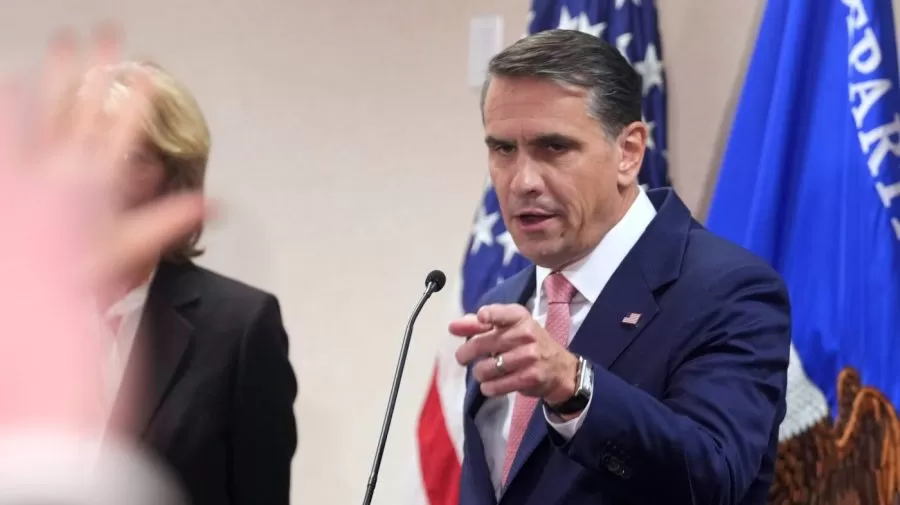
In a fiery statement delivered at a press conference in New Delhi, Rahul Gandhi – the Congress president – ripped into the Central Board of Secondary Education (CBSE), alleging that recent changes to a tender for evaluating answer sheets have jeopardised the credibility of the nation’s school examinations.
“What we are seeing is a blatant manipulation of the evaluation process,” Gandhi said, his voice rising as he gestured toward a stack of documents that were reportedly shared with the media. “The tender was altered after the fact, without any transparent justification. That, my friends, raises a very serious question about the fairness of the marks that millions of students are receiving.”
The controversy stems from a tender originally awarded to a private firm to handle the massive task of scanning, digitising and marking answer sheets for the Class 12 board exams. According to sources close to the matter, the board suddenly announced a modification to the contract – a move that, in Gandhi’s view, “looks suspiciously like a favouritism exercise.”
Gandhi did not stop at accusations. He called for a swift, independent inquiry, suggesting that the Ministry of Education and the Comptroller and Auditor General should step in. “If the integrity of our educational assessments is at stake, we cannot afford any delays,” he warned, pausing for effect before adding, “Parents, students, teachers – they all deserve answers.”
While the Congress leader’s remarks have sparked a flurry of reactions on social media, the CBSE has yet to issue an official response. A spokesperson for the board, when reached for comment, said that the tender revision was “in line with standard procurement procedures” and that “all evaluations are being conducted under strict quality controls.”
Education analysts, however, are not entirely convinced. “Tender changes close to the evaluation timeline can create room for inconsistencies, especially if the new contractor has not been vetted thoroughly,” noted Dr. Meera Joshi, a policy researcher at the Indian Institute of Public Affairs. “It’s not just about money; it’s about trust.”
Students themselves are feeling the ripple effects. Riya Sharma, a 17‑year‑old from Delhi, told reporters that the anxiety around the board results has intensified. “We study hard, we hope for a fair assessment, and now there’s talk of everything being compromised. It’s stressful,” she said, sighing.
The episode arrives at a time when the government has been pushing for digital transformation in education – a push that includes remote proctoring, AI‑driven grading and, of course, outsourcing certain functions to private firms. Critics argue that such moves, while modernising, may also open doors to opacity if not monitored rigorously.
Gandhi concluded his address with a call to action: “Let’s ensure that the future of our youth is not left to the whims of opaque contracts. Demand transparency, demand accountability, and most of all, demand fairness.”
Whether the board will open its books for scrutiny remains to be seen, but the political heat generated by the remarks suggests that the debate over exam integrity will continue to simmer in the weeks ahead.
Editorial note: Nishadil may use AI assistance for news drafting and formatting. Readers can report issues from this page, and material corrections are reviewed under our editorial standards.