Prashant Kishor Says Bihar MLC Polls Offer Voters a Chance to Check the System
- Nishadil
- October 22, 2026
- 0 Comments
- 3 minutes read
- 3 Views
- Save
- Follow Topic
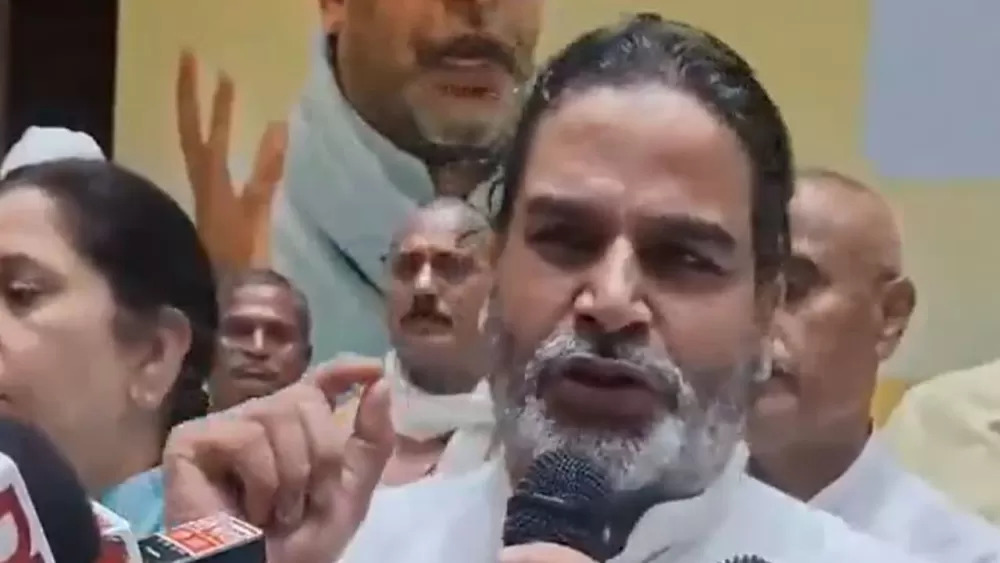
MLC elections won’t topple NDA or opposition leader, but can rein in Bihar’s status‑quo, says Jan Suraaj founder
Jan Suraaj Party founder Prashant Kishor told reporters that the upcoming Bihar MLC elections won’t change the state government or the opposition’s leadership, yet they give citizens an opportunity to hold the existing system accountable with their votes.
Speaking to a gaggle of reporters in Muzaffarpur on Wednesday, Jan Suraaj Party founder Prashant Kishor tried to put the upcoming Bihar Legislative Council (MLC) elections into perspective. He was quick to point out that the ballot won’t rewrite the power map of the state – the NDA‑led government stays put, and Tejashwi Yadav will remain the Leader of the Opposition.
“This is not an election to form a government,” Kishor said, his tone a mix of reassurance and a hint of urgency. “The government is the NDA’s and will remain so. It’s also not an election to oust anyone from that government.” He paused, glanced at the microphone, then added, “But it is an election where people can rein in the existing system in Bihar with their votes.”
The Election Commission of India has already set the calendar. Biennial MLC elections are slated for four states – Bihar, Karnataka, Maharashtra and Uttar Pradesh – covering seats in the Graduates’ and Teachers’ constituencies. In Bihar, eight seats will be contested: four graduate seats (Patna, Darbhanga, Tirhut and Kosi) and four teachers’ seats (Patna, Darbhanga, Tirhut and Saran). The terms of the sitting members expire on 16 November.
Formal notifications were issued on 29 September 2026. Candidates had until 6 October to file nominations, with scrutiny the next day and a withdrawal window closing on 9 October. Polling is scheduled for 23 October, from 8 a.m. to 4 p.m., and counting will happen on 27 October. The entire process should wrap up by 31 October, after which the Model Code of Conduct will be lifted.
While Kishor’s remarks downplay any dramatic shift in the state’s political architecture, they also underline a subtle message: the electorate’s voice matters, even in contests that don’t decide who runs the government. For many voters, especially those in the graduate and teacher constituencies, this could be a chance to push back against complacency and demand a more responsive system.
Editorial note: Nishadil may use AI assistance for news drafting and formatting. Readers can report issues from this page, and material corrections are reviewed under our editorial standards.