Pope Francis Raises Alarm Over AI and Killer Robots
- Nishadil
- May 26, 2026
- 0 Comments
- 2 minutes read
- 40 Views
- Save
- Follow Topic

Pope Francis warns about the moral dangers of artificial intelligence and autonomous weapons, calling for global ethical standards
In a recent address, Pope Francis cautioned that unchecked AI and autonomous weapons threaten human dignity, urging worldwide cooperation and moral guidelines.
When the Pontiff took the podium last week, he didn’t talk about the usual topics of faith and charity. Instead, he turned his gaze toward a very different kind of creation – the algorithms and machines that are reshaping our world.
"We are faced with technologies that can outpace our moral imagination," Pope Francis said, his voice steady but urgent. He warned that artificial intelligence, if left ungoverned, could amplify inequality, erode privacy, and even undermine the very notion of what it means to be human.
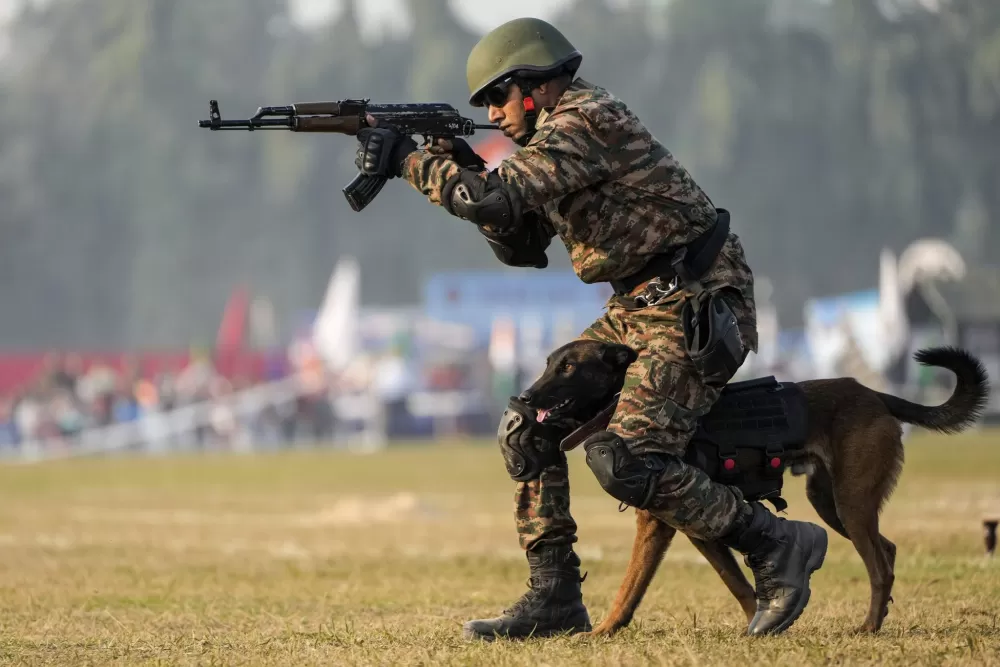
But the Pope’s concerns didn’t stop at AI’s everyday uses. He singled out autonomous weapons – the so‑called “killer robots” that can select and engage targets without direct human oversight. "Weapons that decide who lives and who dies without a conscience are an affront to every moral principle we hold dear," he declared.
His message was clear: technology must be a servant, not a master. He called for an international treaty that would ban fully autonomous weapons, likening the effort to the global push that once outlawed chemical warfare. "Just as the world once said 'no' to gas and mustard, we must say 'no' to machines that can kill on their own," he added.
Yet Pope Francis didn’t merely criticize; he offered a hopeful path forward. He urged scientists, lawmakers, and religious leaders to sit down together, to forge ethical guidelines that protect human dignity. He suggested a "global council of conscience" – a body that could evaluate emerging technologies through a moral lens, not just a technical one.
For many, the Pontiff’s words may sound like a lofty moral lecture. For others, they are a timely reminder that, in the rush to innovate, we can’t afford to leave our values behind. As he concluded, "Our greatest invention must also be our greatest responsibility."
Editorial note: Nishadil may use AI assistance for news drafting and formatting. Readers can report issues from this page, and material corrections are reviewed under our editorial standards.