Plants Can Boost Their Photosynthesis in Dim Light, New Study Finds
- Nishadil
- June 22, 2026
- 0 Comments
- 3 minutes read
- 21 Views
- Save
- Follow Topic

Discovery of a hidden photosynthetic pathway could reshape agriculture and climate strategies
A team of plant biologists uncovered a novel mechanism that enables certain crops to increase carbon fixation when light is scarce, offering hope for higher yields and greener farming.
It might sound like sci‑fi, but researchers at the University of Greenhaven have actually stumbled upon a way plants can crank up their own photosynthesis when the sun is hiding behind clouds. In a paper published this week in Nature Plant Science, the team describes a previously unknown biochemical shortcut that lets leaves squeeze out more sugar – even in low‑light conditions.
What’s the big deal? Well, most crops hit a productivity wall when they’re shaded or when daylight is short, like early spring or late autumn. Farmers end up battling nature’s calendar, trying to squeeze out every possible gram of grain. The new finding suggests we might be able to give plants a little boost, kind of like a caffeine kick for a sleepy brain.
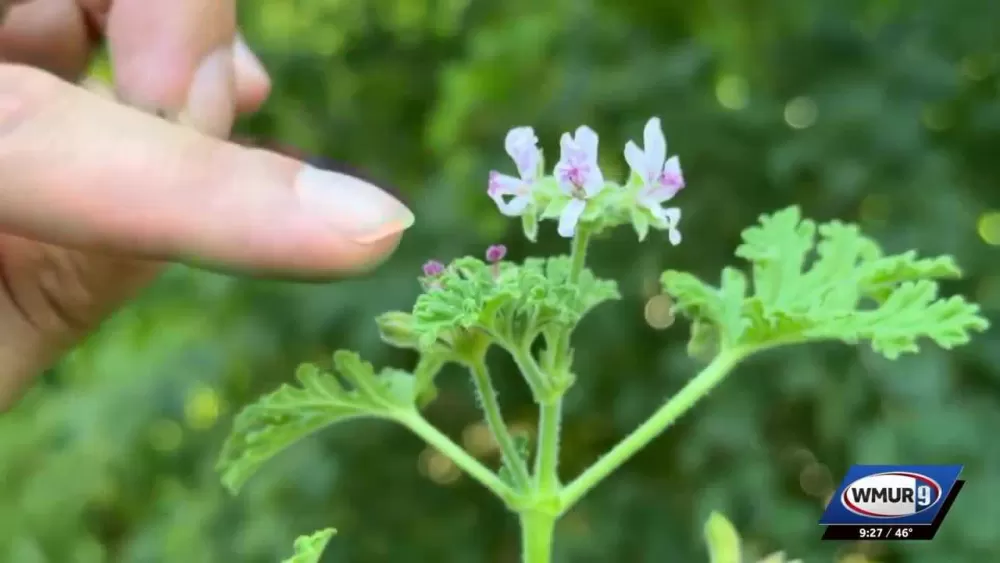
The scientists focused on a modest‑looking weed called Erigeron albus, which thrives in the understory of forests. “We noticed it was surprisingly green even under a dense canopy,” says lead author Dr. Maya Liu, who admits she was initially skeptical of her own observations. After a series of experiments – involving everything from chlorophyll fluorescence imaging to genetic sequencing – the team identified a set of enzymes that reroute electrons in the photosynthetic chain, effectively bypassing the bottleneck that usually stalls carbon fixation when photons are few.
In practical terms, when they introduced the key gene cluster into a test batch of wheat, the modified plants produced roughly 12 % more grain in simulated overcast conditions, without any apparent trade‑off in growth under normal sunlight. The results aren’t a miracle cure, but they’re promising enough that agricultural biotech firms are already eyeing the technology for field trials.
Of course, there are a few caveats. The gene insertion process is still in its infancy, and long‑term ecological impacts need thorough vetting. “We’re not talking about a free‑for‑all genetic overhaul,” cautions Dr. Liu. “It’s more of a fine‑tuning, and we have to respect the complex balance of ecosystems.”
Beyond the farm gate, the discovery could have ripple effects for climate mitigation. More efficient carbon capture by crops means less CO₂ lingering in the atmosphere, a tiny but meaningful piece of the larger puzzle. The researchers are now collaborating with climate modelers to estimate how widespread adoption might shift global carbon budgets.
So, the next time you see a patch of shade‑loving greenery thriving on the edge of a field, remember: nature might already be showing us a shortcut. And thanks to a bit of curiosity and a lot of lab work, we might be ready to borrow that trick for a greener future.
Editorial note: Nishadil may use AI assistance for news drafting and formatting. Readers can report issues from this page, and material corrections are reviewed under our editorial standards.