Peering Into the Future: Why China's Energy Demands Keep Analysts Up at Night
- Nishadil
- March 06, 2026
- 0 Comments
- 2 minutes read
- 30 Views
- Save
- Follow Topic

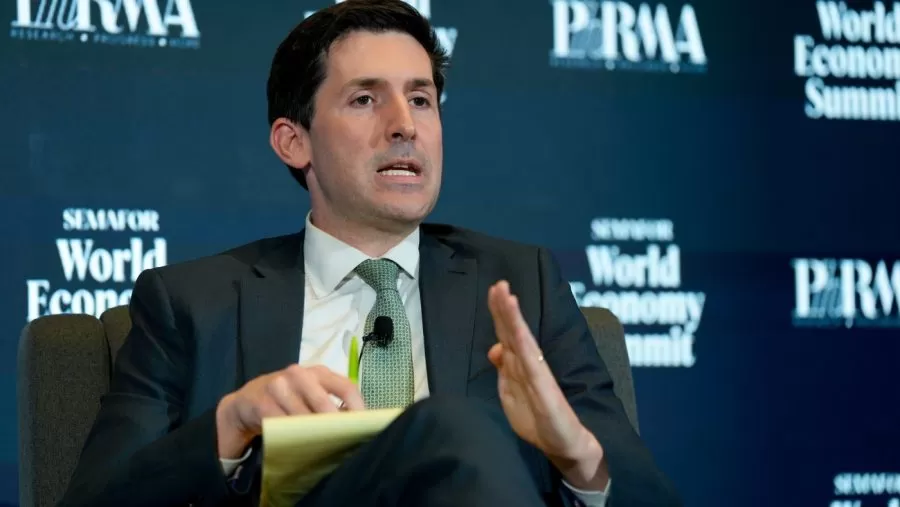
Longview's McNeal Flags Medium-Term Energy Concerns Centered on China
A leading analyst from Longview expresses growing apprehension over China's energy trajectory in the coming years, signaling potential ripple effects across the global economy.
You know, when seasoned analysts like Longview's McNeal speak, the global markets tend to listen. And recently, his gaze, full of a certain disquiet, has landed squarely on China, specifically its energy landscape in the medium term. It's not just about today's oil prices, mind you; we're talking about a deeper, more structural apprehension that could truly reshape things.
Now, why China? Well, it’s no secret, is it? China is an absolute titan when it comes to energy consumption. Powering its colossal industrial engine and its truly vast population requires an unfathomable amount of fuel, from traditional fossil fuels to an ever-growing appetite for renewables. But here’s the rub: much of that crucial energy still needs to be imported, creating a fascinating, if precarious, dependency.
McNeal’s focus on the 'medium term' is particularly insightful. He’s not talking about the next quarter’s earnings report or a fleeting daily fluctuation in Brent crude. Instead, he’s pointing to the next five, maybe ten years – a period where the fundamental dynamics could really shift. Think about it: continued urbanization, industrial shifts, the immense challenge of decarbonization, and yes, the geopolitical currents that inevitably flow through global energy supply lines. All these factors are brewing into what could be a rather potent mix.
This isn't just an abstract concern for economists in boardrooms; it has tangible implications for all of us. Should China face significant energy insecurity, whether due to supply disruptions, unexpected demand surges, or perhaps even policy missteps, the ripple effect would be undeniable. We could see significant upward pressure on global energy prices, certainly. But beyond that, it could introduce a new layer of volatility into an already sensitive geopolitical environment, potentially impacting trade, inflation, and ultimately, global economic stability.
Ultimately, McNeal’s comments serve as a timely reminder that the world’s energy future isn't a static picture. It’s a constantly evolving narrative, with China playing an undeniably central role. Keeping an eye on Beijing's energy strategies, its domestic supply situation, and its international energy diplomacy won't just be an academic exercise; it will be absolutely crucial for understanding where global markets and, indeed, global power dynamics are headed in the years to come. It’s a complex puzzle, to be sure, but one we simply can't afford to ignore.
Editorial note: Nishadil may use AI assistance for news drafting and formatting. Readers can report issues from this page, and material corrections are reviewed under our editorial standards.