Nepal Says It’s Not Demanding Climate Compensation from India, China or the United States
- Nishadil
- September 04, 2026
- 0 Comments
- 3 minutes read
- 15 Views
- Save
- Follow Topic

Nepal clarifies it has not sought climate compensation, but urges global action on climate‑change impacts
Foreign Minister Shisir Khanal told ANI Nepal has not asked India, China or the US for climate‑related compensation after the recent floods, stressing a need for worldwide climate cooperation.
In a candid interview with ANI, Nepal’s foreign minister, Shisir Khanal, put to rest rumours that Kathmandu had filed a claim for climate‑related compensation from India, China or the United States. He said, plainly, “neither I nor anyone in the Ministry of Foreign Affairs or the government of Nepal has asked for compensation.”
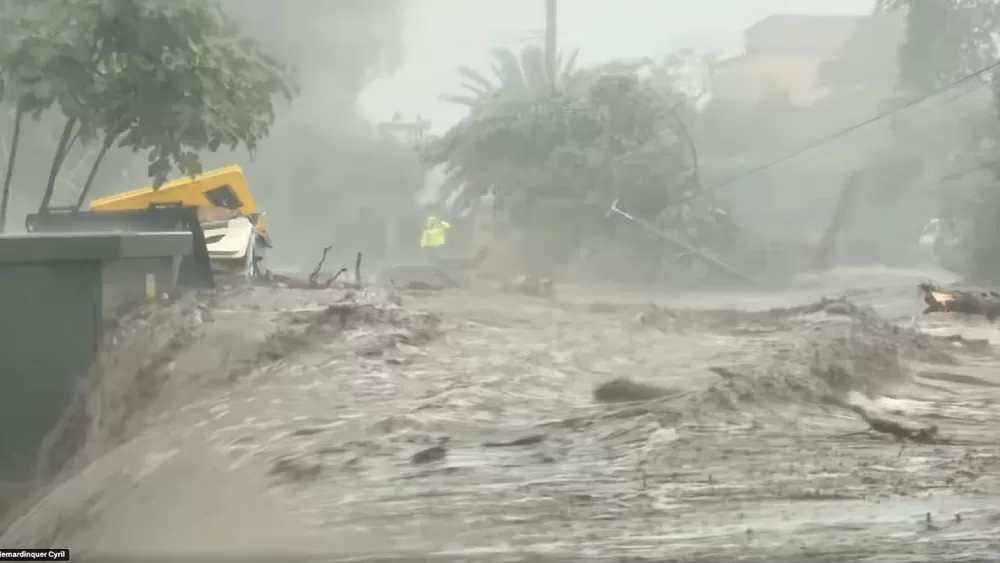
The clarification came amid a wave of sympathy and relief supplies flowing into the Himalayan nation after flash floods ripped through the Rasuwa district last week. While Nepal gratefully accepted emergency aid, Khanal stressed the country’s appeal was not a demand for a payout but a call for the world to recognise the broader climate crisis that is making such disasters more frequent and severe.
“Our request is simple,” Khanal explained. “Look at this tragedy through the lens of climate change and understand how rising temperatures are hurting communities like ours.” He added that Nepal, India and China share mountains, rivers and cultural heritage, and that cooperation among them is essential to build resilience in the Himalayas.
He went on to say that Nepal wants the international community—not just a one‑off relief package—to help smaller nations adapt to a warming world. “We are not asking for a one‑time hand‑out,” he said, “but for sustained support that tackles the root causes of these calamities.”
India, for its part, has been quick to respond. Within days of the floods, New Delhi dispatched multiple C‑130J aircraft laden with tents, blankets, solar lamps, medical kits and even forensic equipment to help identify victims. By Thursday, a fifth Indian plane had landed with a specialised rescue team and more medicines. Khanal praised the generosity, noting that India had also stood by Nepal after the 2015 earthquake and hoping the partnership would continue during the reconstruction phase.
The United States also stepped up, sending two military cargo planes loaded with disaster‑victim recovery supplies, first‑aid kits and front‑end loaders to assist search‑and‑rescue teams. “We appreciate every hand that reaches out,” Khanal said, “but the bigger picture remains the same – climate change is reshaping our valleys, and we need a coordinated response.”
Tragically, the death toll from the Rasuwa floods has risen to 1,259, with many bodies still being recovered across Chitwan, Nawalparasi and other districts. The National Disaster Risk Reduction and Management Authority continues to update figures as rescue operations proceed.
In the meantime, Kathmandu is urging governments, NGOs and the private sector to look beyond emergency relief. “We stand ready to collaborate to safeguard our civilisation, heritage and future,” Khanal concluded, hoping that the flood’s devastation will translate into lasting climate action.
Editorial note: Nishadil may use AI assistance for news drafting and formatting. Readers can report issues from this page, and material corrections are reviewed under our editorial standards.