Nepal Observes National Mourning 13 Days After Devastating Flash Flood
- Nishadil
- September 08, 2026
- 0 Comments
- 2 minutes read
- 14 Views
- Save
- Follow Topic

Thousands Missing as Rescue Efforts Continue Amid National Day of Mourning
Thirteen days after the deadly flash flood that ripped through Rasuwa, Nepal mourns more than 1,300 lives lost while nearly 5,000 people remain missing.
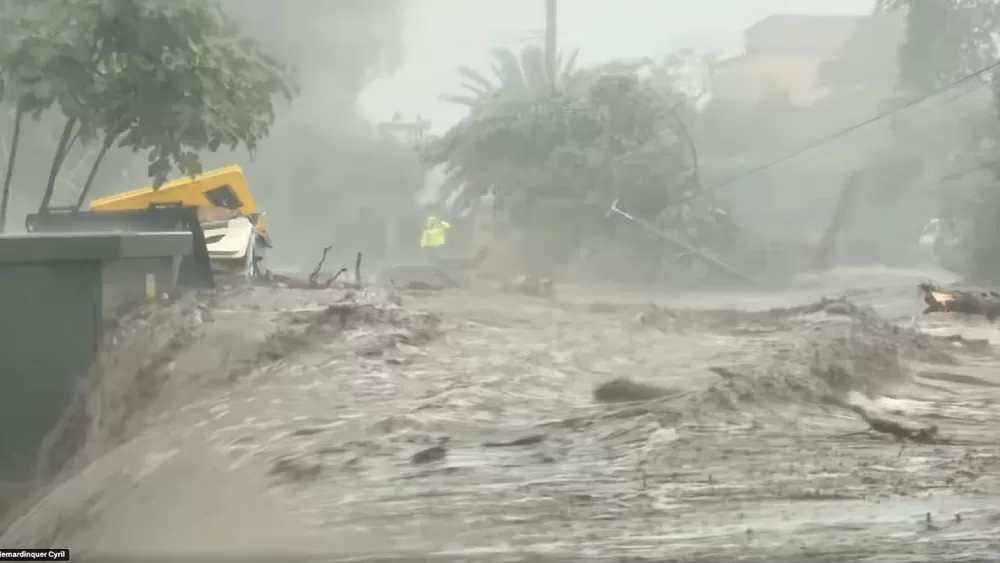
On August 26, a sudden flash flood tore through Rasuwa—an area perched on the Nepal‑China border—when melting snow, landslides and overflowing rivers converged in a terrifying surge. The water surged down into the heart of the country, battering towns like Nuwakot and Dhading, washing away homes, roads, bridges and even parts of a hydro‑power project.
Since that night, the toll has climbed to more than 1,340 confirmed deaths. The numbers are still rising, and the pain feels endless because about 5,000 souls are still unaccounted for, including 589 foreign nationals who were caught in the disaster.
Because of the sheer scale of loss, the Nepali government declared a national day of mourning on September 7. All government offices, embassies abroad and even private businesses lowered the national flag to half‑mast. It’s a somber visual reminder that the country is still grieving, and in Hindu tradition the thirteenth day after a death holds special significance for mourning rituals.
Just a day later, September 8, will be observed as a public holiday—a day already set aside as “Gen Ji Martyrs Day.” The coincidence of two solemn observances underlines how 2026 has been a year of multiple tragedies for Nepal, from the 2020 protests to today’s flood.
Displacement is another massive story. Roughly 32,000 families—about 7,500 households—have been forced to abandon their homes. Entire villages have been reduced to rubble, and essential infrastructure such as schools, health centres and power lines lie in shambles.
Rescue teams, however, have not rested. Across the hardest‑hit districts, soldiers, police, and civilian volunteers sift through debris, searching for signs of life. Special attention is being paid to the tunnels of the hydro‑power project, where workers are believed to be trapped.
International assistance has poured in, too. Nepalese security forces are joined by expert squads from India, and other neighboring nations have sent specialists to help locate survivors and recover bodies. Professor Arnold Dix, who famously rescued 41 miners from the Silkyara tunnel in Uttarakhand, noted that “multiple rescue operations are running in parallel, each with its own set of challenges.”
The road ahead is bleak. Families wait for news of missing relatives, and the government continues to coordinate relief distribution while coping with the emotional weight of the tragedy. Yet, amidst the heartbreak, the resilience of Nepali communities shines through—as they rebuild, mourn, and hope for the day when the waters finally recede.
- India
- News
- Environment
- EnvironmentNews
- HumanitarianCrisis
- RescueOperation
- NationalMourning
- NepalDisaster
- NepalFlood2026
- RasuwaFlashFlood
- NepalFlashFlood
- RasuwaDisaster
- MissingPersonsNepal
- TrishuliRiverFlood
- NepalMissingPeople
- BhotekoshiRiverFlood
- NepalFloodDeathToll
- NepalRescueOperation
- IndiaNepalCooperation
- GenZMartyrsDay
- NepalPublicHoliday
- NepalNationalMourning
Editorial note: Nishadil may use AI assistance for news drafting and formatting. Readers can report issues from this page, and material corrections are reviewed under our editorial standards.