Navigating the Future of Wellness: GLP-1 Patches and Natural Alternatives on the Horizon for 2026
- Nishadil
- December 30, 2025
- 0 Comments
- 3 minutes read
- 42 Views
- Save
- Follow Topic

Beyond Ozempic: Exploring GLP-1 Patches and Herbal Wellness Alternatives for 2026
The world of weight management and metabolic health is evolving rapidly. Discover the emerging trends in GLP-1 patches and natural, herbal alternatives poised to reshape wellness approaches by 2026, offering new hope for many.
It’s truly hard to miss the widespread buzz surrounding GLP-1 medications these days, isn't it? From social media conversations to magazine headlines, drugs like Ozempic have undeniably revolutionized the way we approach weight management and diabetes care. They’ve offered a genuine glimmer of hope for countless individuals seeking effective solutions. Yet, for all their success, it’s also quite natural for people to start wondering about alternatives – whether due to cost, potential side effects, or simply a preference for approaches that feel a little more aligned with natural wellness.
That's where the conversation really starts to shift and get interesting, especially as we look ahead to 2026. Many are actively exploring options that might offer similar benefits without the exact same pharmaceutical pathway. We’re seeing a significant surge in curiosity, for instance, about GLP-1 patches. Imagine the sheer convenience and discreetness of a patch delivering support throughout your day – it's an appealing concept, isn't it? This innovative delivery method could very well change the game for how people engage with wellness solutions, making it simpler and less intrusive than daily injections or pills.
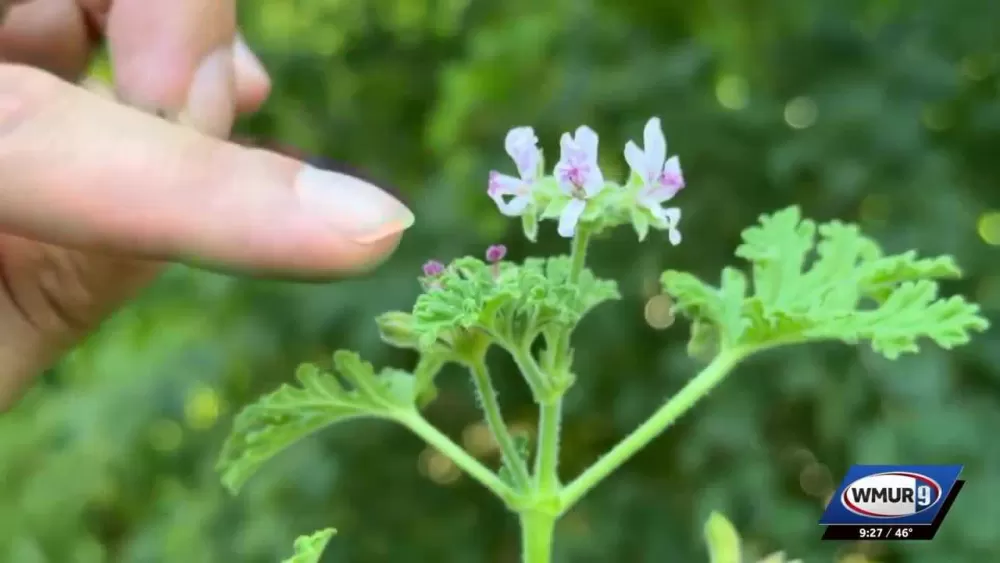
But beyond just the delivery system, there’s a deeper dive into what some are calling "herbal wellness solutions." People are genuinely intrigued by the idea that natural compounds and botanicals could play a supportive role in mimicking some of the effects of GLP-1 agonists. We're talking about ingredients and formulations that aim to gently encourage satiety, help regulate blood sugar, or support metabolic health, all while leveraging the power of nature. It’s a fascinating blend of ancient wisdom and modern scientific inquiry, exploring how specific herbs, extracts, and nutrient combinations might contribute to overall well-being and weight management goals.
Looking towards 2026, industry analysts are definitely keeping a close eye on this evolving landscape. They anticipate a growing market for these "Ozempic alternatives," particularly those that lean into the herbal and patch-based innovations. We're likely to see more research, more product development, and certainly more public discussion around efficacy and safety. The goal for many consumers isn't necessarily to replace prescribed medication entirely, but rather to find complementary support or suitable alternatives for those who might not qualify for or prefer traditional GLP-1 drugs.
Ultimately, this evolving field underscores a broader trend: a greater desire for personalized, accessible, and often more natural health solutions. While the promise of these GLP-1 patches and herbal alternatives is exciting, and the market is clearly expanding, it's absolutely crucial to approach them with an informed perspective. Always, and I truly mean always, have an open and honest conversation with your healthcare provider before embarking on any new wellness regimen, especially one touching on such significant areas as metabolism and weight. They can help you navigate the options safely and effectively, ensuring you choose what’s truly best for your unique health journey.
Editorial note: Nishadil may use AI assistance for news drafting and formatting. Readers can report issues from this page, and material corrections are reviewed under our editorial standards.