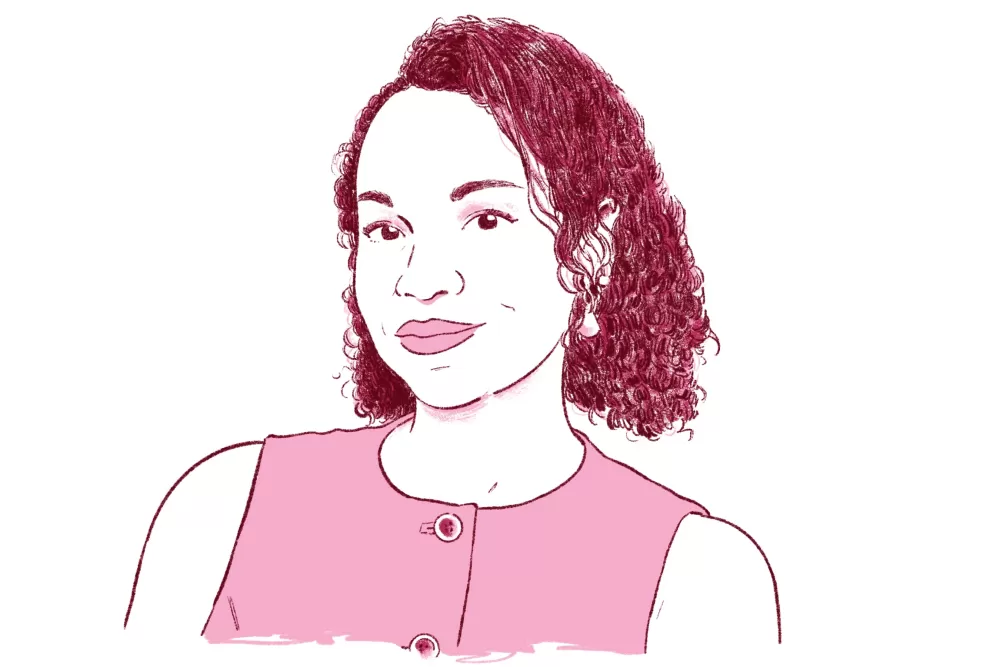
Navigating Crypto Volatility: What Ric Edelman Says About Bitcoin's Recent Dip
- Nishadil
- March 12, 2026
- 0 Comments
- 3 minutes read
- 28 Views
- Save
- Follow Topic

Ric Edelman's Candid Advice on Crypto Allocations After Bitcoin's Rollercoaster Ride
After Bitcoin's recent 30% correction, renowned financial advisor Ric Edelman shares his perspective on how investors should approach cryptocurrency allocations within their portfolios, emphasizing a long-term, diversified strategy.
Oh, the world of cryptocurrency! It certainly keeps us on our toes, doesn't it? Just when Bitcoin seems to be flying high, smashing through all-time records and making headlines, it often decides to take a bit of a breather, sometimes a rather substantial one. We just saw this play out again, with Bitcoin experiencing a pretty sharp 30% drop from its peak. And, naturally, when something like that happens, it sends a ripple of concern through many investors, prompting that age-old question: "What now?"
That's precisely the moment when insights from seasoned professionals like financial advisor Ric Edelman become invaluable. Edelman, known for his forward-thinking approach and early embrace of digital assets, isn't one to shy away from the topic of cryptocurrency. In fact, he’s been a consistent advocate for including a modest allocation to digital assets within a well-diversified portfolio, but always with a healthy dose of realism.
So, what's his take on this latest dip? Well, for starters, it's crucial to understand his fundamental philosophy. Edelman often reminds us that volatility is simply part and parcel of the crypto journey, especially for an emerging asset class. He doesn't view these corrections as a signal to panic and flee, but rather as a normal, albeit sometimes uncomfortable, aspect of market cycles. Think of it like a wild roller coaster ride; you expect the drops along with the thrilling ascents.
His core recommendation typically revolves around two key pillars: diversification and appropriate sizing. He’s not suggesting you mortgage your house to buy Bitcoin. Far from it! Instead, he often advises clients to consider a small, thoughtful allocation – perhaps 1% to 3% of their total portfolio, depending on their individual risk tolerance and financial situation. This small percentage, if it performs exceptionally well, can significantly boost returns, yet if it were to, heaven forbid, go to zero (which he doesn't predict), it wouldn't decimate your entire financial future. It’s a classic "don't put all your eggs in one basket" approach, just applied to the digital realm.
Moreover, for those who haven't yet dipped their toes in, or perhaps want to add to their existing holdings, a significant price correction can actually be seen as an opportune moment. It’s the age-old "buy the dip" strategy, but applied with caution and a long-term perspective. Edelman would likely emphasize dollar-cost averaging, regularly investing a fixed amount over time, regardless of price fluctuations. This method helps smooth out the entry points and reduces the risk of trying to "time the market," which, let's be honest, is notoriously difficult even for the pros.
Ultimately, Edelman's advice comes down to a clear, disciplined mindset. He encourages investors to look beyond the daily or weekly price swings and focus on the long-term potential of the underlying blockchain technology and its transformative impact across various industries. He views digital assets as a legitimate, albeit speculative, asset class that deserves consideration for a small portion of one's wealth, particularly for younger investors with longer time horizons.
So, for those feeling a bit queasy after Bitcoin’s recent descent, Edelman's message is clear: don't let short-term volatility derail your long-term strategy. Stay diversified, invest only what you can comfortably afford to lose, and keep your eyes on the horizon. The future of finance is undoubtedly evolving, and digital assets, according to Edelman, are set to play a significant role within it.
- Health
- UnitedStatesOfAmerica
- News
- Technology
- BusinessNews
- HealthNews
- Cryptocurrency
- Videos
- Blockchain
- Crypto
- DigitalAssets
- LongTermInvesting
- InvestmentStrategy
- MarketVolatility
- Cnbc
- FinancialAdvice
- Neutral
- SpecialReports
- EthereumUsdCoinMetrics
- BitcoinUsdCoinMetrics
- CryptoWorld
- BitcoinDrop
- CryptoAllocations
- RicEdelman
- CryptocurrencyPortfolio
Editorial note: Nishadil may use AI assistance for news drafting and formatting. Readers can report issues from this page, and material corrections are reviewed under our editorial standards.