Milk‑pouring ritual on the Narmada River draws NGT scrutiny
- Nishadil
- May 20, 2026
- 0 Comments
- 2 minutes read
- 27 Views
- Save
- Follow Topic

NGT asks pollution boards to weigh in on controversial milk offerings in the Narmada
Devotees have been splashing milk into the Narmada as part of a religious ceremony, but environmentalists and courts are now questioning its impact on river health.
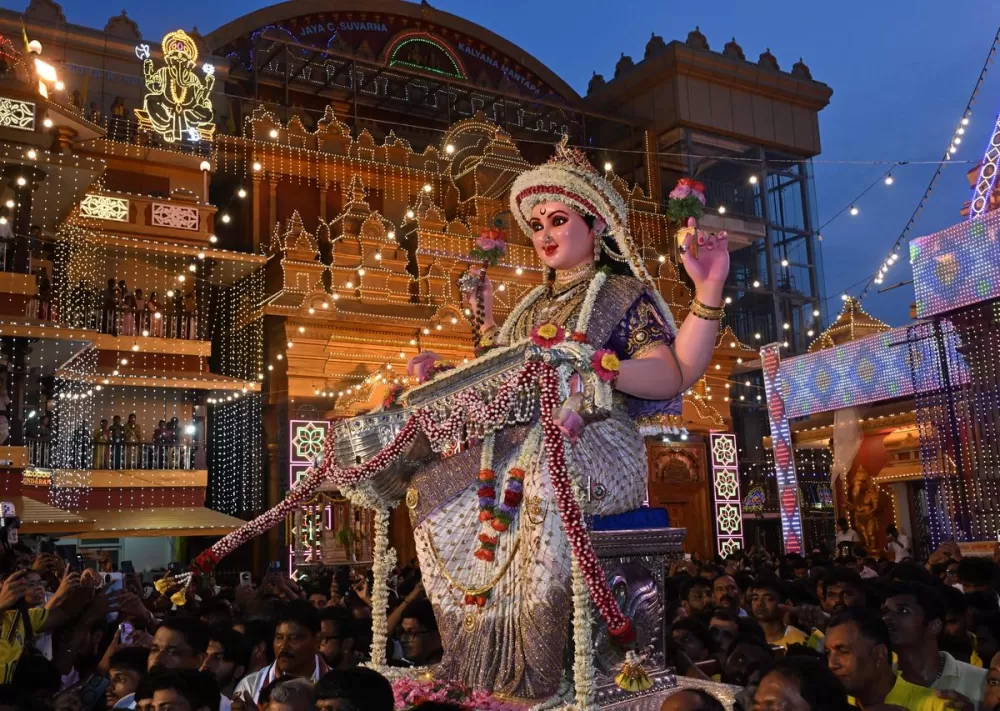
Every year, as the monsoon retreats, a colourful crowd gathers along the banks of the Narmada in Bhopal to perform a centuries‑old rite: devotees pour litres of milk into the flowing waters, believing it will please the river‑goddess and bring prosperity.
The practice, while steeped in tradition, has lately become a flashpoint. Residents of nearby villages report a strange, milky sheen on the surface, and fish catches have dipped noticeably. “It looks beautiful, but the water smells different,” says Ramesh Patel, a farmer whose fields rely on the river’s irrigation.
Environmentalists argue that the sudden influx of organic waste can deplete dissolved oxygen, fostering algal blooms and upsetting the river’s delicate ecology. “Milk is essentially a nutrient cocktail,” explains Dr. Ananya Sharma, a water‑quality expert at the Indian Institute of Science Education and Research. “When dumped in large quantities, it can trigger eutrophication – the same problem we see with untreated sewage.”
In response, the National Green Tribunal (NGT) has stepped in. Last week, the tribunal issued a notice to the Madhya Pradesh and Chhattisgarh Pollution Control Boards, asking them to submit a detailed report on the ritual’s environmental impact within 30 days. The notice also calls for suggestions on how to balance religious sentiments with ecological safeguards.
Officials from the Madhya Pradesh Pollution Control Board (MPPCB) acknowledge the concerns. “We are in the process of commissioning lab tests on water samples collected before and after the ritual,” says MPPCB spokesperson Sunita Verma. “Our aim is to provide a science‑based recommendation that respects both the faith of the devotees and the health of the river.”
Meanwhile, local priest Shri Kishore Mishra, who leads the ceremony, insists the practice is harmless. “Milk is a pure offering; it symbolizes devotion,” he says. “We are open to dialogue and can explore alternative rituals that don’t compromise the river.”
The debate has also sparked community initiatives. A group of youths from the nearby college has launched a clean‑up drive, collecting any leftover milk containers and educating participants about responsible offering methods, such as using biodegradable vessels or limiting the volume of milk poured.
As the NGT’s deadline approaches, all eyes are on the forthcoming report. Will the authorities recommend a pause on the ritual, impose limits, or suggest a greener version of the ceremony? The answer will likely set a precedent for how India navigates the fine line between tradition and sustainability.
Editorial note: Nishadil may use AI assistance for news drafting and formatting. Readers can report issues from this page, and material corrections are reviewed under our editorial standards.