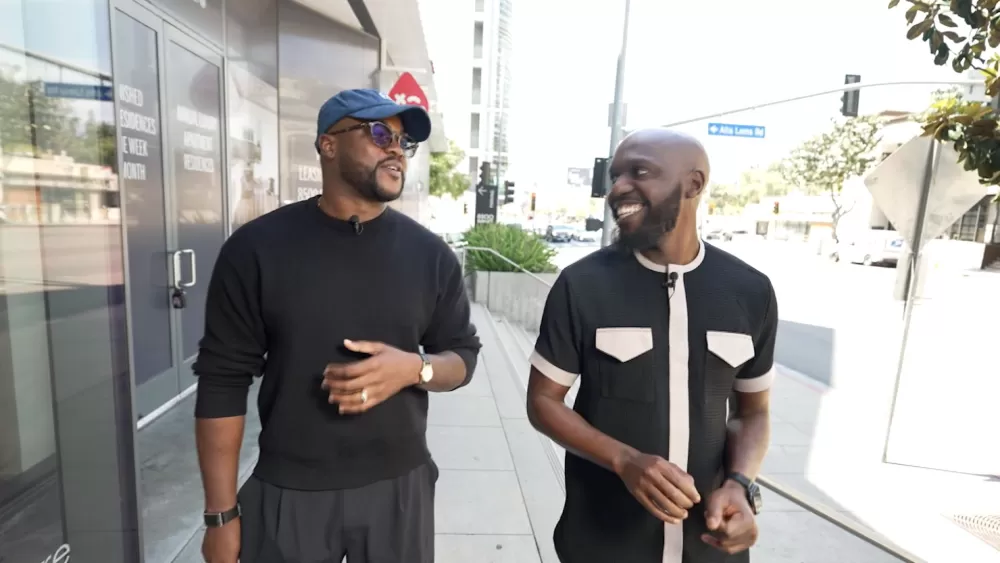
Mike Hagerty on the Save America Act: A Turbulent Moment for the Nation
- Nishadil
- July 14, 2026
- 0 Comments
- 4 minutes read
- 26 Views
- Save
- Follow Topic

‘There Are a Lot of Pressures on Us Right Now,’ Hagerty Says as the Save America Act Clears Congress
In a candid interview, former Congressman Mike Hagerty breaks down the implications of the Save America Act, the political turbulence surrounding its passage, and the mounting pressures facing the United States.
When the Save America Act finally slipped through the final vote, the relief in the Capitol was palpable—yet, as former Representative Mike Hagberg (yes, Hagerty) quickly reminded everyone, the celebration was tempered by a cascade of new challenges. "There are a lot of pressures on us right now," he said, his voice a mix of optimism and weary realism.
Hagerty, who spent twelve years navigating the messy corridors of Washington, painted a picture that felt less like a scripted press release and more like a seasoned insider sharing coffee‑table observations. He noted that the legislation—designed to bolster fiscal responsibility, tighten border protocols, and fund critical infrastructure—was only the first step in a longer, more arduous journey.
"Passing a bill is one thing," he chuckled, "trying to actually fund and implement it is another story altogether." That off‑hand remark underscored a truth many lawmakers know too well: the real work begins after the gavel falls.
One of the biggest pressures, according to Hagerty, stems from the current economic climate. Inflation, still stubborn despite the Federal Reserve’s rate hikes, continues to erode purchasing power for everyday Americans. "We’ve got families squeezed at the grocery store, businesses watching their margins shrink," he said, pausing as if recalling a recent conversation with a small‑town shop owner.
He also highlighted the political arithmetic of the moment. The Save America Act, while a bipartisan triumph on paper, has sparked fresh debates about entitlement reform and the size of the defense budget. Some conservatives argue the bill doesn’t go far enough in cutting waste, while progressive voices worry about the impact of tightened immigration measures on immigrant communities.
"It's a balancing act on a razor‑thin tightrope," Hagerty laughed, then added, "and we’re all walking it in the dark, hoping the rope holds." His metaphor captured the sense of uncertainty that pervades Capitol Hill: victories are celebrated, but the next obstacle is already on the horizon.
Beyond economics, Hagerty pointed to external pressures—geopolitical tensions in Eastern Europe, the ongoing rivalry with China, and the lingering fallout from last year’s cyber‑attacks on critical infrastructure. Each of these issues, he argued, will test the resilience of the policies baked into the Save America Act.
"We can’t look at this legislation in isolation," he warned. "The world doesn’t pause because we sign a bill. It keeps moving, and we have to move with it." That sentiment resonated with many observers who see the act as a piece of a larger puzzle—one that includes energy security, climate resilience, and a looming need to modernize the nation’s aging transportation grid.
Yet, despite the complexities, Hagerty offered a note of encouragement. He reminded listeners that the very fact Congress could rally around a comprehensive reform package was a testament to what’s possible when representatives put the country’s long‑term health above short‑term point‑scoring.
"We proved we can get things done," he said, a subtle smile evident even through the mic. "That’s something to build on, not to forget."
Looking ahead, Hagerty stressed the importance of accountability. He urged watchdog groups, the media, and everyday citizens to keep an eye on how the Save America Act is implemented, warning that without vigilant oversight, good intentions can quickly slip into bureaucratic inertia.
In the end, his message was clear: the legislation is a milestone, not a destination. The United States faces a cascade of pressures—economic, political, and global—and navigating them will demand more than a single act of Congress. It will require sustained engagement, honest conversation, and, perhaps most importantly, a willingness to admit when we’re wrong and course‑correct.
As Hagerty wrapped up the interview, he left listeners with a simple, human reminder: "We’re all in this together. Let’s keep talking, keep listening, and keep working—because the stakes are higher than ever."
Editorial note: Nishadil may use AI assistance for news drafting and formatting. Readers can report issues from this page, and material corrections are reviewed under our editorial standards.