Markwayne Mullin’s Wild Airport Proposal Sparks Outrage
- Nishadil
- June 01, 2026
- 0 Comments
- 5 minutes read
- 37 Views
- Save
- Follow Topic

Oklahoma Congressman’s Grand Airport Scheme Draws Heat
Congressman Markwayne Mullin’s ambitious plan to build a massive regional airport in his home district has ignited fierce criticism, with opponents calling it unrealistic, wasteful and politically motivated.
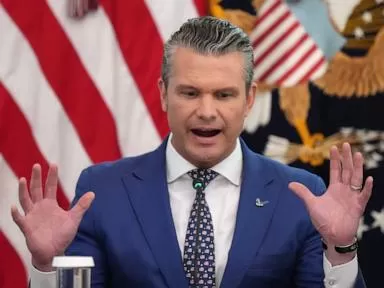
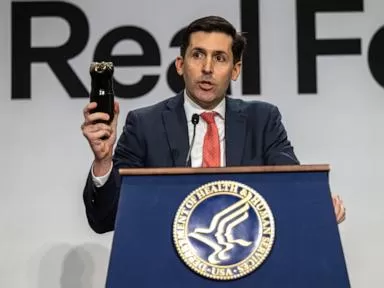
When Representative Markwayne Mullin stepped onto the podium last week, he didn’t just talk about roads or broadband. He unveiled a sprawling new airport project—one that would, in his words, "transform the economic landscape of southeastern Oklahoma" and put the region on the map for the first time in generations. The reaction? A chorus of bewildered sighs, heated Twitter threads, and a steady stream of editorial pieces calling the plan downright bonkers.
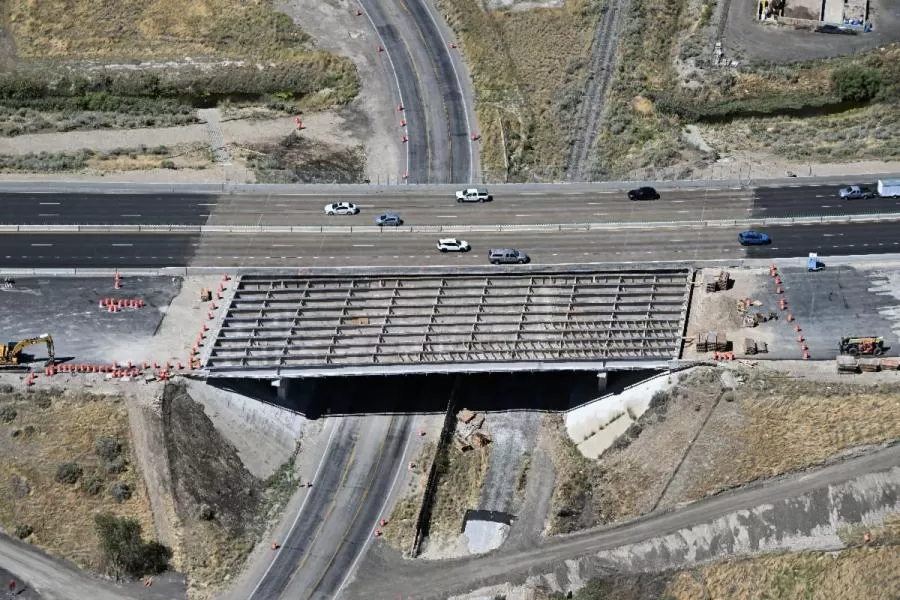
At first glance, the proposal sounds almost cinematic: a 5,000‑acre aviation hub, a 10‑gate terminal, and a cargo complex that could handle everything from agricultural produce to aerospace parts. Mullin says the $1.2 billion venture would be financed through a mix of federal grants, private investment, and a modest local tax increment. He paints a picture of jobs flooding the area—construction workers, airline staff, logistics personnel—all supposedly lifting a district that has long wrestled with poverty and limited infrastructure.
But the devil is in the details, and those details have left many scratching their heads. For starters, the nearest major airport sits just under an hour away, already serving the bulk of passenger traffic. Critics point out that the proposed site is perched on a floodplain, making construction not only risky but potentially expensive to mitigate. And then there’s the question of demand: a recent study commissioned by the Oklahoma Department of Transportation found that projected passenger numbers would fall short of the break‑even point by a wide margin.
"I’ve seen a lot of infrastructure proposals in my career, but this one feels like a fever dream," said Jane Peterson, a transportation analyst at the University of Oklahoma. "You can’t just slap a runway onto a map and expect airlines to line up. There’s a whole ecosystem—airlines, crews, maintenance—that has to be convinced, and none of that is addressed in the proposal.
Even Mullin’s political allies are starting to distance themselves. Senate Majority Leader Chuck Schumer, who had previously praised the congressman’s commitment to rural development, replied in a brief statement that "any major federal project must be grounded in solid feasibility studies and clear community benefit." A bipartisan group of Oklahoma lawmakers has since written a letter to the House Transportation Committee urging a deeper look before any funding is earmarked.
Beyond the practicalities, there’s a more personal side to the backlash. Mullin, who succeeded the flamboyant former Representative nicknamed “Ice Barbie,” is no stranger to media scrutiny. Some commentators argue that his ambition is less about solving a transportation gap and more about cementing a political legacy. "He wants a monument to his name," muttered one local activist, "something that will outlast the next election cycle."
Supporters, however, are not entirely silent. A handful of small‑business owners in the region argue that better air connectivity could open doors for tourism—think fishing lodges, Native American cultural sites, and outdoor recreation that currently rely on long drives from distant hubs. They point to the success stories of other rural airports that, once upgraded, became lifelines for local economies.
The debate also drifts into the larger conversation about federal infrastructure spending. In the wake of the 2021 bipartisan infrastructure law, many districts are scrambling to claim a slice of the pie. Mullin’s proposal may simply be a reflection of that race, a bid to secure a high‑profile project before the next round of funding decisions rolls out.
So where does the story go from here? For now, the proposal sits on a table at the House Transportation Committee, awaiting a feasibility review that could take months. If the study confirms the skeptics’ concerns, the plan could be shelved, relegated to an ambitious footnote in Oklahoma’s political history. If, by some miracle, the numbers line up and investors bite, Mullin’s airport could indeed reshape the skyline of southeastern Oklahoma—though whether that transformation will be welcomed or resented remains to be seen.
What is clear, though, is that the conversation around the project has already achieved something Mullin likely didn’t anticipate: it has put the district’s needs—and the sometimes‑fanciful nature of political grandstanding—under a harsh, public spotlight. Whether that spotlight will illuminate a path forward or simply burn the ambitions of a would‑be aviation mogul is the next chapter waiting to be written.
- UnitedStatesOfAmerica
- News
- Immigration
- Crime
- NewJersey
- CrimeNews
- NewYorkCity
- Newark
- SeanHannity
- Flight
- Ice
- WorldCup
- FederalFunding
- Kristinoem
- Markwaynemullin
- PoliticalControversy
- DonaldJTrump
- RuralDevelopment
- LosAngelesInternationalAirport
- Dhs
- Cbp
- RegionalAirport
- Typearticle
- HasjwBody
- AirportProposal
- OklahomaInfrastructure
- IceBarbieSuccessor
Editorial note: Nishadil may use AI assistance for news drafting and formatting. Readers can report issues from this page, and material corrections are reviewed under our editorial standards.