
Malayalam Cinema's Ongoing Rift: Ansiba Hassan Steps Into The AMMA-WCC Legal Battle
- Nishadil
- July 09, 2026
- 0 Comments
- 3 minutes read
- 19 Views
- Save
- Follow Topic
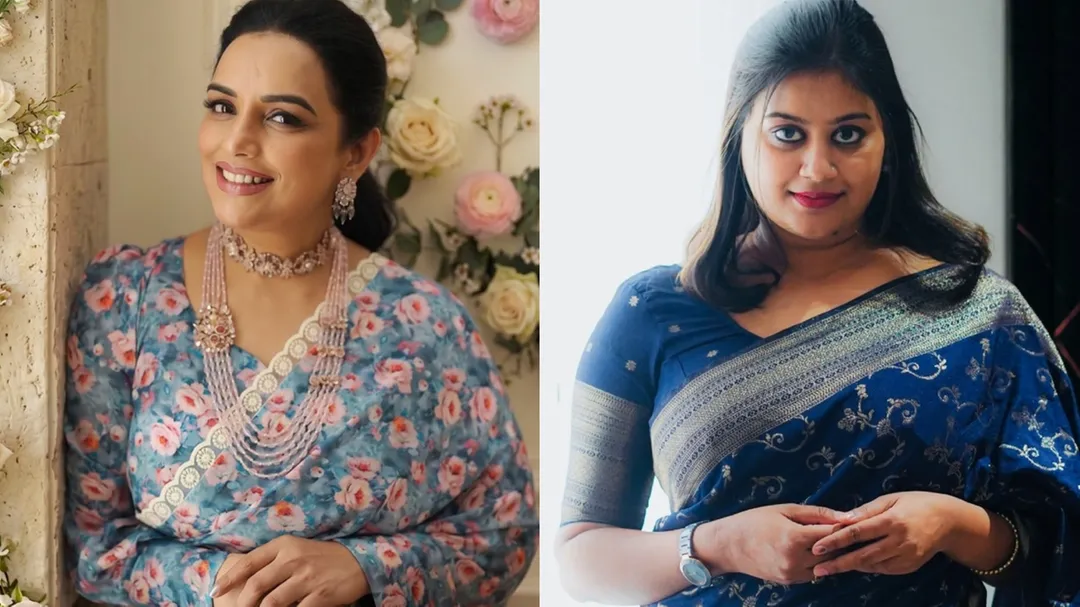
Actress Ansiba Hassan Seeks To Implead In Contentious AMMA-WCC Court Case
Malayalam actress Ansiba Hassan is making waves by seeking to join a high-profile court case involving AMMA and the Women in Cinema Collective, aiming to voice a different perspective on representation.
In a significant twist to the ongoing legal tussle within Malayalam cinema, actress Ansiba Hassan has formally approached the court, seeking to become an official party in the long-standing dispute between the Association of Malayalam Movie Artists (AMMA) and certain members of the Women in Cinema Collective (WCC). It's a move that certainly adds another layer of intrigue and, dare I say, complexity to a situation already quite fraught with emotion and differing viewpoints.
For those who've been following, you'll recall that the crux of the matter revolves around AMMA's decision to form an ad-hoc committee. This committee was, apparently, meant to manage the affairs of the women's collective after some prominent members, including the well-known actresses Revathy and Padmapriya, decided to step away from AMMA. These very members subsequently filed a petition, essentially challenging AMMA's move and, more broadly, its actions concerning the representation of women within the industry. It’s a classic case, really, of an internal organizational disagreement spilling over into the legal arena.
So, why is Ansiba Hassan stepping into this? Well, it seems she believes there's a perspective missing from the current legal discourse – a perspective that she feels truly represents a wider array of women working in Malayalam cinema. Her application to implead, which is essentially asking the court to be included as a party to the proceedings, is driven by a desire to present her own viewpoint and, critically, that of other actresses who she feels aren't adequately represented by the WCC's current stance. It’s a powerful statement, suggesting that the 'voice' currently heard might not be as universal as some believe.
And here's where it gets even more personal: Ansiba herself was, at one point, a member of the WCC. She recounted how she joined the collective with genuine hope, believing it would be a strong, unified platform for women in the industry. However, and this is crucial, she eventually left due to a growing sense of disillusionment. She felt that the WCC, despite its noble intentions, wasn't truly encompassing the diverse experiences and opinions of all women artists. It's not uncommon, is it, for a collective initially formed with a broad mandate to sometimes narrow its focus or, at least, be perceived as doing so.
Her core argument, therefore, is pretty clear: the WCC, as it currently operates and is represented in court, doesn't speak for all women in Malayalam cinema. She feels there are many actresses, herself included, whose views diverge from those presented by the WCC's petitioners. By joining the case, Ansiba hopes to ensure that the court receives a more balanced and, she would argue, a more complete picture of the sentiments prevalent among women artists in the industry. It's about ensuring fairness and comprehensive representation, after all, in a dispute that impacts so many.
This development undeniably injects a fresh layer of complexity into an already intricate legal battle. Ansiba Hassan's move signals a widening of the conversation, suggesting that even within movements advocating for representation, there can be internal debates and differing ideas about how that representation should best manifest. It’s a stark reminder that even well-intentioned collective efforts can sometimes struggle to capture the full spectrum of individual experiences. What happens next in court will be keenly watched, as this unfolding drama continues to reshape the landscape of professional associations in Malayalam cinema.
Editorial note: Nishadil may use AI assistance for news drafting and formatting. Readers can report issues from this page, and material corrections are reviewed under our editorial standards.


