Lula's High-Stakes Diplomacy: A President's Playbook for Tariffs and Tensions
- Nishadil
- November 05, 2025
- 0 Comments
- 3 minutes read
- 51 Views
- Save
- Follow Topic

Lula's Diplomatic Tightrope: Navigating US Tariffs and Venezuelan Tensions
Brazilian President Lula da Silva is ready to pick up the phone and call Donald Trump if the US reintroduces tariffs, showcasing his unique brand of global diplomacy. He's also passionately pushing for peaceful resolutions, particularly in the simmering Venezuela-Guyana dispute, all while advocating for a multipolar world.
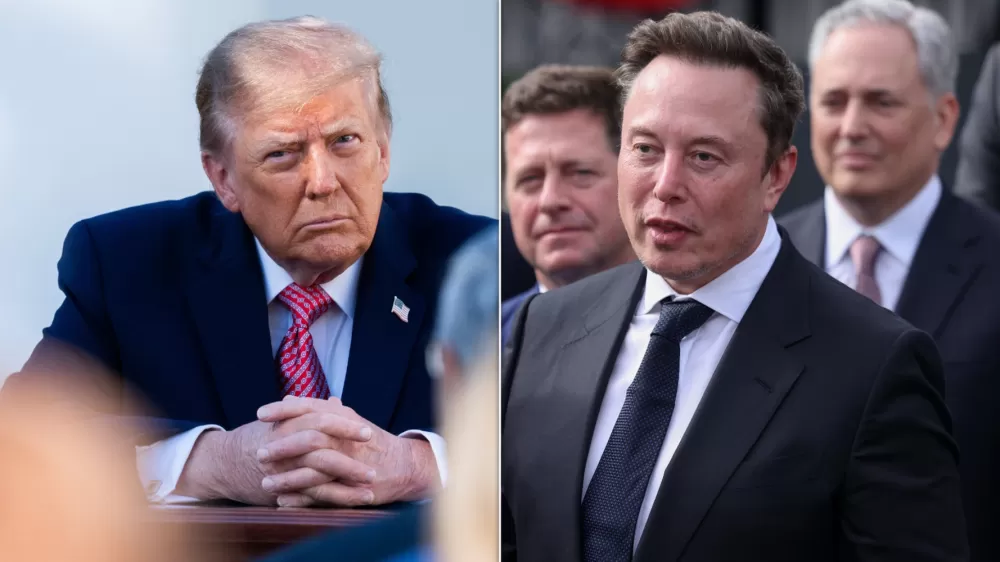
Brazilian President Luiz Inácio Lula da Silva, a figure who truly knows how to play the long game in global politics, has made it quite clear: should the United States decide to slap new tariffs on Brazilian steel and aluminum, he's not above picking up the phone. And who might be on the other end, you ask? None other than Donald Trump, a man with whom Lula, in truth, shares a certain… shall we say, directness. It's a striking proposition, isn't it?
But honestly, this isn't about political alliances so much as pragmatic statecraft. Lula emphasizes, quite rightly, that maintaining solid relations with the U.S. remains paramount, no matter who occupies the White House. This isn’t a partisan game for him; it's about the bigger picture for Brazil. Remember, Trump’s first administration did impose tariffs, only to later lift them. Now, with President Biden’s team reportedly reviewing these very same trade measures, Lula’s readiness to call his former counterpart, you could say, signals a deeply strategic approach to what could become a thorny issue.
Yet, Lula’s diplomatic ambitions stretch far beyond mere trade disputes. He’s emerging, perhaps unexpectedly for some, as a fervent champion of regional stability, particularly when it comes to the simmering tensions between Venezuela and Guyana over the Essequibo region. The stakes there are, for once, genuinely high, with the threat of outright conflict looming. Lula, bless him, is doing everything in his power to mediate, to ensure that the region’s stability isn’t shattered by a reckless misstep. He truly believes in dialogue, in finding common ground, even when it feels like none exists. It’s a refreshing change of pace, frankly, from the usual sabre-rattling one often hears.
And this, this commitment to peaceful resolution and multilateralism, is really at the heart of Lula’s philosophy. He's always been a vocal proponent of nations working together, of finding collective solutions to global challenges. He envisions a world, you see, that isn't dictated by a single superpower, but rather by a diverse tapestry of nations, each with its own voice and influence. It's a multipolar world, to use the diplomatic jargon, and he’s not shy about critiquing the lingering vestiges of U.S. global dominance, particularly when it feels overbearing or counterproductive.
For Lula, strengthening ties within Latin America, reaching out to Africa, and forging new alliances across the global South isn't just about economic advantage; it’s about reshaping the very architecture of international relations. It’s about balance, about mutual respect, and, ultimately, about preventing unnecessary conflicts. And you know, watching him navigate these complex waters, with a phone call to a former U.S. president here, a peace talk in the Caribbean there, you can’t help but feel that he’s playing a very different, yet utterly compelling, kind of global game.
Editorial note: Nishadil may use AI assistance for news drafting and formatting. Readers can report issues from this page, and material corrections are reviewed under our editorial standards.