Justice Delayed, Not Denied: Decades-Old Jane Doe Identified, Killer Named in Riverside County Cold Case
- Nishadil
- July 16, 2026
- 0 Comments
- 4 minutes read
- 20 Views
- Save
- Follow Topic

After 43 Years, a Name and an Answer: How Familial DNA Unlocked a Chilling SoCal Cold Case
For over four decades, she was just a Jane Doe. But thanks to tireless investigators and advanced DNA technology, a woman murdered in 1980 near Beaumont has finally been identified as Kathy Sue Hull, and her suspected killer named, bringing a long-awaited, albeit bittersweet, closure.
Imagine waiting over forty years for an answer. Forty years of uncertainty, of a loved one simply vanishing, leaving behind a gaping, aching void. That was the reality for the family of Kathy Sue Hull, a young woman whose life was tragically cut short in 1980, her identity lost to time and circumstance. For decades, she was merely a "Jane Doe," a haunting mystery discovered off a lonely stretch of highway in Riverside County. But sometimes, just sometimes, science and sheer human persistence can pierce through the fog of the past.
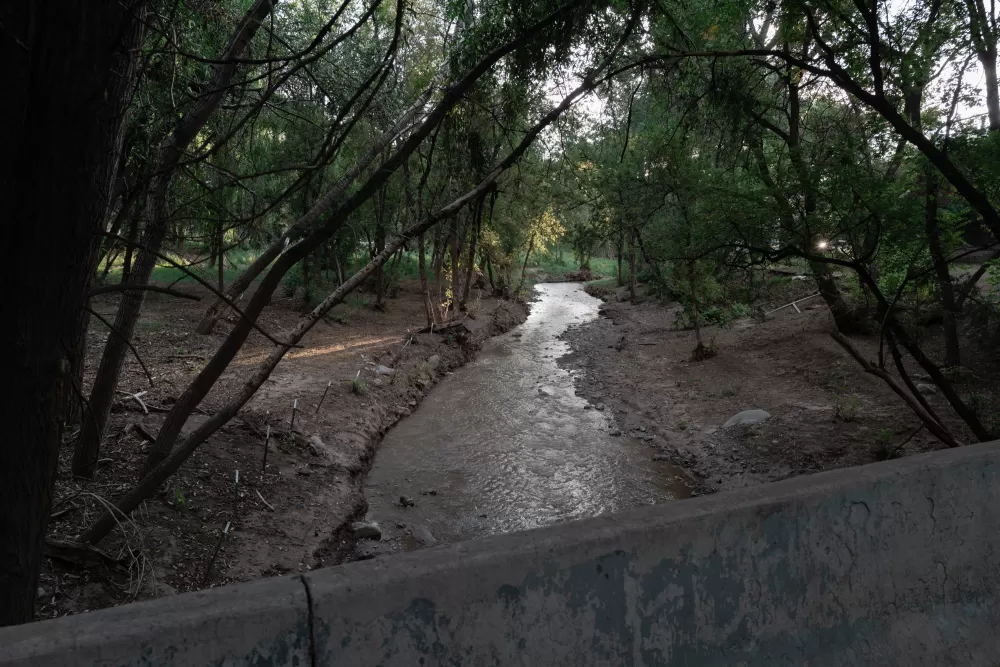
It was April 25, 1980, when two men stumbled upon a grim sight near Cherry Valley Boulevard and Interstate 10, just outside Beaumont. A woman's body, discarded, her life cruelly taken. The signs pointed to strangulation. Despite the immediate efforts of Riverside County Sheriff's detectives, every lead eventually dried up. Her fingerprints, her dental records – nothing matched existing databases. She became another statistic, a silent victim in a burgeoning cold case file, her story untold for far too long.
Fast forward to 2020. Over four decades had passed, and yet, the case wasn't forgotten. The Riverside County Sheriff’s Department Cold Case Unit, armed with new advancements, sent forensic evidence back to the California Department of Justice DNA lab. This wasn't just about traditional DNA matching; this was about something more profound: genetic genealogy. Partnering with the remarkable DNA Doe Project, investigators embarked on a painstaking journey, using public genealogy databases to trace the faintest echoes of familial connections, building a family tree from fragments of DNA.
The patience, the meticulous work – it all paid off. In 2023, the breakthrough arrived. Detectives, following the genetic breadcrumbs, reached out to potential relatives. DNA samples confirmed it: the Jane Doe of 1980 was indeed Kathy Sue Hull. She was just 25 years old, from Santa Ana, when she disappeared. What a moment that must have been for her family – the crushing weight of grief finally coupled with the relief of knowing, of being able to say her name aloud, to reclaim her memory.
But the story didn't end with identification. The pursuit of justice continued. Through diligent investigation, combining the DNA evidence with cold case detective work, a name emerged: Douglas Thomas. He was 43 years old, from Anaheim, and it turned out he was known to frequent the very Cherry Valley area where Kathy's body was found. This wasn't just a random connection; the evidence, pieced together with careful precision, strongly pointed to Thomas as her killer.
Now, here's where it gets complicated, and, frankly, a bit bittersweet. Douglas Thomas wouldn't face earthly justice for his alleged crime. He died in 1993, more than thirty years ago, during a shootout with Santa Ana police. So, while the Riverside County Sheriff’s Department has officially closed Kathy Sue Hull’s case, marking it "closed by exception" due to the suspect’s death, there's no trial, no conviction, no definitive legal closure in the traditional sense. It's a somber reality, a reminder that some answers arrive too late for full accountability.
Yet, the identification of Kathy Sue Hull and the naming of her suspected killer offers a profound form of resolution. It’s a testament to how far forensic science has come, how these incredible techniques are giving voices back to the long-silenced. For families who have lived with the agonizing uncertainty of a missing loved one, or the injustice of an unsolved murder, these breakthroughs, however long in coming, truly offer a glimmer of hope and, finally, a chance to mourn with dignity, knowing the truth.
Editorial note: Nishadil may use AI assistance for news drafting and formatting. Readers can report issues from this page, and material corrections are reviewed under our editorial standards.