
Journey to the Moon's Embrace: Artemis II's Preparations for a Historic Lunar Flyby
- Nishadil
- April 05, 2026
- 0 Comments
- 3 minutes read
- 62 Views
- Save
- Follow Topic
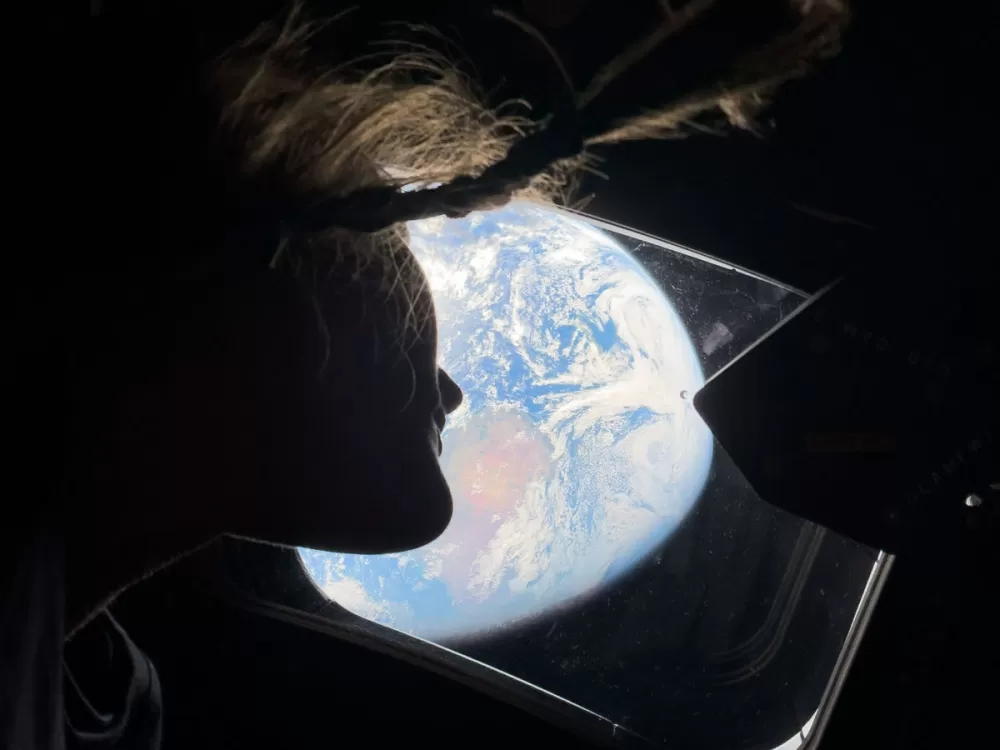
Artemis II: Readying Humanity for a Return to Deep Space
NASA's Artemis II mission is on the cusp of making history, preparing to send a crew around the Moon for the first time in over 50 years. Discover the intensive preparations, the incredible crew, and what this pivotal mission means for our future in space.
You know, there's just something inherently thrilling about space exploration, isn't there? That sense of pushing boundaries, of reaching for the unknown. And right now, we're on the very precipice of a monumental moment, a genuine game-changer that feels like a whisper from the glory days of Apollo. After decades, NASA's Artemis II mission is gearing up to send humans back into the lunar sphere, not just to orbit Earth, but to truly journey around the Moon – a feat we haven't accomplished with a crew aboard since way back in 1972.
This isn't just a joyride, though the view will undoubtedly be out of this world! Artemis II serves an absolutely critical purpose: it's the ultimate shakedown cruise for the Orion spacecraft and its crew in deep space. Think of it as the dress rehearsal before the main act, the crucial step before Artemis III attempts to land humans on the Moon again. The mission will test every single system – life support, communications, navigation – pushing them to their limits in the harsh, unforgiving environment beyond Earth's protective magnetic field. It's about proving that we, humanity, can not only get there but thrive there, safely.
And who are these incredible trailblazers? We're talking about a truly international and diverse crew: NASA astronauts Reid Wiseman, Victor Glover, and Christina Koch, joined by the Canadian Space Agency's Jeremy Hansen. These individuals aren't just astronauts; they're pioneers, undergoing an almost unimaginable level of training. From mastering the intricacies of the Orion capsule to simulating every conceivable contingency, their dedication is absolute. Imagine the hours, the simulations, the sheer mental and physical fortitude required to prepare for a journey of this magnitude. It's humbling, really.
At the heart of this endeavor is the Orion capsule, a marvel of modern engineering, meticulously designed to carry our astronauts safely through the vastness of space. It’s been put through the wringer, too – countless tests, from parachute deployments to water recovery drills, ensuring it's robust enough for the journey. And launching it all skyward will be the mighty Space Launch System (SLS) rocket, a truly colossal machine that proved its immense power and reliability during the uncrewed Artemis I mission. That first flight was a resounding success, setting the stage perfectly for this crewed follow-up.
Now, deep space isn't for the faint of heart. It presents unique challenges: the constant bombardment of cosmic radiation, the need for pinpoint navigation over immense distances, and the sheer logistical complexity of a long-duration mission so far from home. But overcoming these hurdles is precisely what makes Artemis II so pivotal. It’s not just about getting to the Moon; it’s about establishing a sustainable human presence there, using it as a stepping stone for even grander ambitions – a journey to Mars, perhaps? This mission is truly foundational, laying the groundwork for a future where humanity isn't just visiting space, but living and working there.
So, as the final preparations unfold, there's a palpable sense of anticipation building. Every test, every simulation, every long day of training brings us closer to that incredible moment when the SLS roars to life and propels Artemis II and its crew toward the Moon. It's more than just a space mission; it's a testament to human ingenuity, courage, and our insatiable desire to explore. Keep your eyes on the skies, because history, my friends, is about to be made once again.
Editorial note: Nishadil may use AI assistance for news drafting and formatting. Readers can report issues from this page, and material corrections are reviewed under our editorial standards.









