
Iran's Unseen Influence: Why Analysts Keep Missing the Mark
- Nishadil
- April 21, 2026
- 0 Comments
- 3 minutes read
- 49 Views
- Save
- Follow Topic
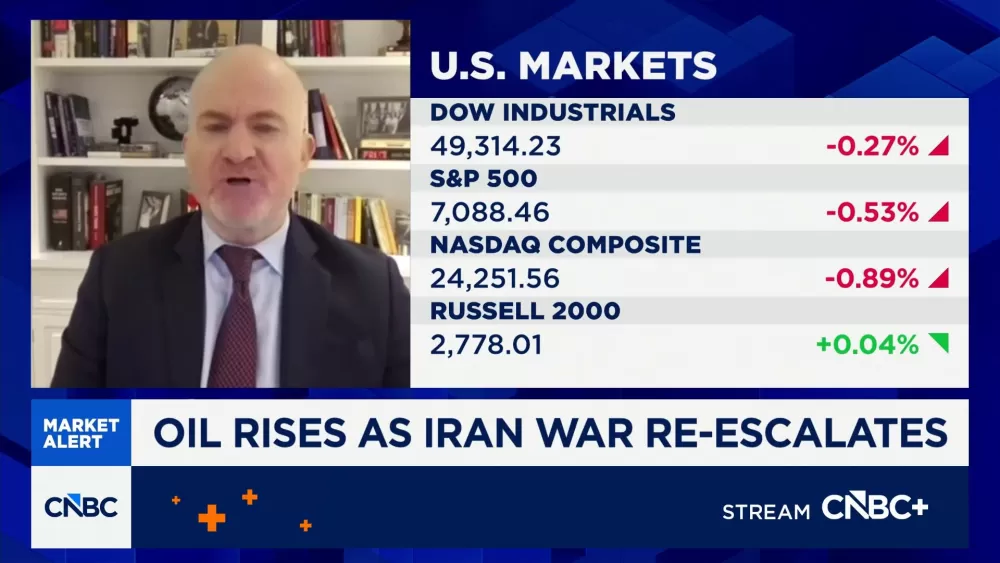
"We're Constantly Underestimating Iran," Warns Rapidan Energy Expert Scott Modell
Scott Modell of Rapidan Energy highlights a critical blind spot in geopolitical analysis: the persistent underestimation of Iran's strategic depth and resilience, particularly its capacity to influence global energy markets.
You know, sometimes we all fall into the trap of thinking we've got a situation figured out. We look at the headlines, the sanctions, the prevailing narratives, and we form a picture. But what if that picture is consistently incomplete, even dangerously so? That's precisely the warning coming from Scott Modell, a sharp mind over at Rapidan Energy. His message is stark and incredibly important: there's a serious, ongoing tendency to underestimate Iran.
It's easy, perhaps too easy, to paint Iran with a broad brush – to see it merely as a pariah state struggling under sanctions. And yes, the sanctions are real, they are impactful. But Modell's point, if I'm reading between the lines of his experience, is that we often stop there. We focus so intently on the pressures we're exerting that we fail to truly grasp Iran's inherent resilience, its strategic depth, and its undeniable capacity to maneuver and influence despite incredible odds. It's almost as if we're measuring them against our own expectations, rather than observing their actions and adapting our understanding.
But what happens when we consistently misjudge a key player like Iran? The implications, especially in the volatile world of energy, are pretty profound. Consider its strategic location, its potential to disrupt crucial shipping lanes like the Strait of Hormuz, or its ongoing efforts to find alternative markets and partners. If policymakers and market analysts aren't fully factoring in Iran's enduring capabilities and its often-unpredictable responses, we're setting ourselves up for some nasty surprises. Oil prices could spike, supply chains could be threatened, and regional stability could be further jeopardized, all because of a collective blind spot.
Modell's observation really makes you ponder: what exactly are we missing? Is it a failure to appreciate their long-term strategic patience? Their intricate regional networks? Or perhaps, simply, a Western-centric analytical framework that struggles to truly understand motivations and capacities that don't fit neatly into our preconceived notions? It's not just about military might or economic figures; it's about political will, cultural resilience, and an undeniable ability to play a long game, often quietly and subtly, on the global stage.
Ultimately, this isn't just an academic point for energy nerds; it's a critical call for a more nuanced and honest assessment of a nation that, for better or worse, holds significant sway in a pivotal region. To dismiss Iran as simply a country under siege is to miss the full, complex picture of its influence and potential. As Modell suggests, it's time we stopped underestimating them and started understanding them with a lot more precision and intellectual humility.
Editorial note: Nishadil may use AI assistance for news drafting and formatting. Readers can report issues from this page, and material corrections are reviewed under our editorial standards.


