Iran's Flood Crisis: Aid Groups Plead for Unhindered Relief Amidst Mounting Challenges
- Nishadil
- April 15, 2026
- 0 Comments
- 3 minutes read
- 41 Views
- Save
- Follow Topic
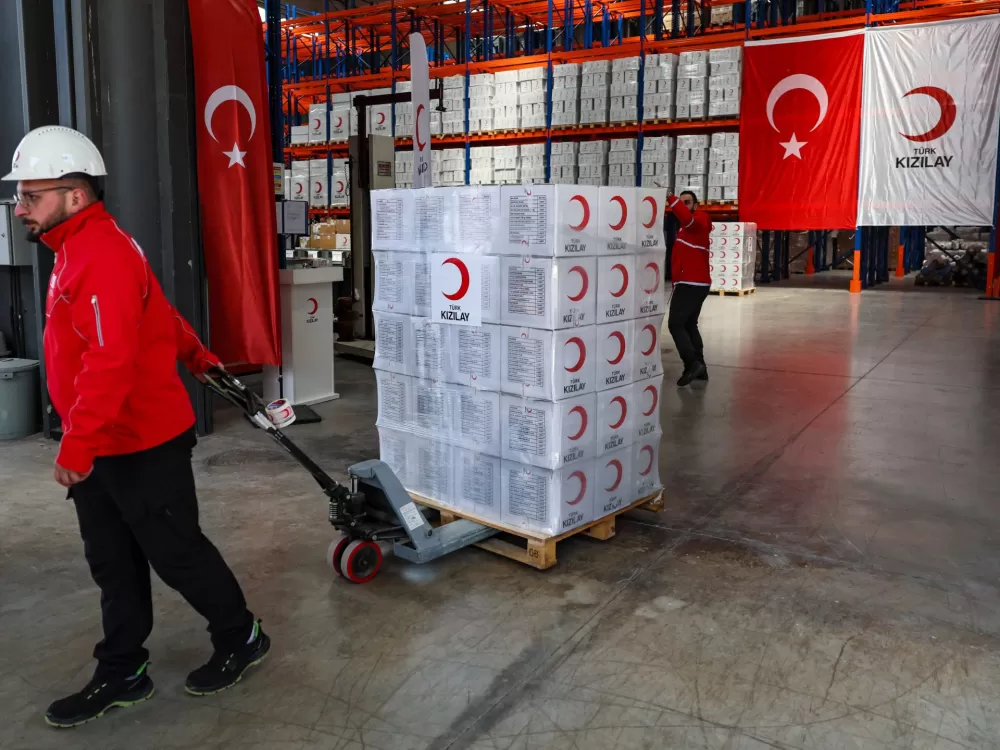
A Desperate Push: Humanitarian Aid Workers Battle Sanctions and Logistics to Reach Flood-Stricken Iran
International aid organizations are intensifying their efforts to deliver critical humanitarian relief to Iran following devastating floods, navigating a complex web of logistical hurdles and persistent international sanctions to reach millions in dire need.
The images coming out of Iran are heartbreaking. Widespread, devastating floods, triggered by relentless downpours, have plunged vast swathes of the country into a profound humanitarian crisis. Homes, livelihoods, and critical infrastructure have been washed away, leaving millions displaced and in desperate need of immediate assistance. It's a truly dire situation, and as always, the international community is responding – albeit, in this particular instance, with some very significant obstacles.
Right now, a coalition of dedicated aid groups, including various non-governmental organizations and key UN agencies, are working tirelessly to ramp up their relief shipments into the affected regions. They’re striving to provide everything from emergency shelter and clean water to vital medical supplies and food parcels. Their mission, plain and simple, is to alleviate suffering. But, let's be honest, it's an uphill battle on multiple fronts, and the clock is ticking relentlessly.
One of the most pressing challenges, and indeed, a recurring theme when dealing with crises in Iran, revolves around international sanctions. While humanitarian aid is theoretically exempt, the practicalities of financial transfers, shipping insurance, and even procuring necessary equipment can become incredibly tangled and frustratingly slow. Imagine trying to get essential medicines or heavy machinery into a country when every single transaction or movement is scrutinized, often causing delays that can cost lives. It adds layers of complexity and anxiety that aid workers simply shouldn't have to contend with during a crisis of this magnitude.
Beyond the geopolitical complexities, the sheer logistics of reaching affected populations are staggering. Roads have been destroyed, bridges collapsed, and communication lines often cut, rendering access to some of the most vulnerable communities incredibly difficult. We’re talking about remote villages suddenly cut off, families stranded without food or clean water, and the very real threat of disease outbreaks in overcrowded temporary shelters. Aid groups are deploying every resource at their disposal, from convoys attempting perilous journeys over damaged terrain to, where possible, airlifts – but even those are subject to constraints.
The call from these organizations is clear and urgent: they need unimpeded access and, critically, a clear, unambiguous pathway for humanitarian operations that bypasses the unintended consequences of sanctions. "Our priority is purely humanitarian," one aid coordinator recently stated, emphasizing that politics must be set aside when lives are on the line. They are pushing for expedited customs clearances, secure logistical corridors, and a greater degree of flexibility from all parties involved to ensure aid can move swiftly and efficiently to those who need it most.
As the floodwaters slowly recede in some areas, the long-term recovery will be an immense undertaking. But first, the immediate crisis must be managed, and that means getting essential aid to millions who have lost everything. This isn't just about charity; it's about our shared humanity and the fundamental right to assistance in times of disaster. The efforts to boost relief shipments into Iran continue, a testament to the unwavering dedication of aid workers, but also a stark reminder of the multifaceted challenges that often stand in the way of helping our fellow human beings.
Editorial note: Nishadil may use AI assistance for news drafting and formatting. Readers can report issues from this page, and material corrections are reviewed under our editorial standards.