
India's Traders Call Off 'No UPI Day' Protest After Crucial Meeting with Finance Minister
- Nishadil
- October 01, 2026
- 0 Comments
- 3 minutes read
- 5 Views
- Save
- Follow Topic
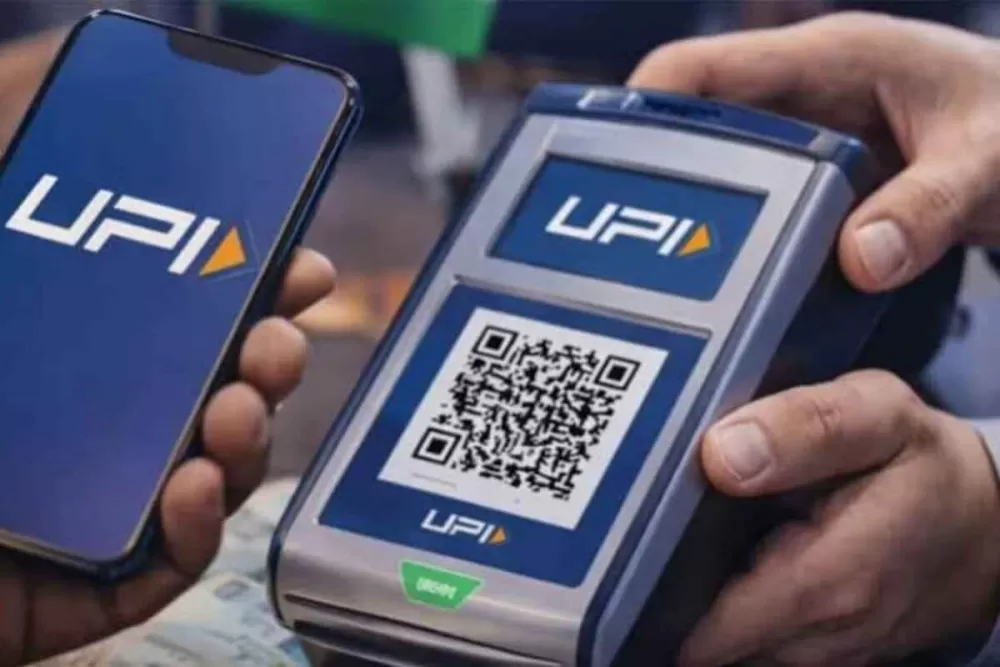
Relief for Businesses as UPI MDR Protest Withdrawn Following Constructive Talks with Nirmala Sitharaman
India's trader associations have officially called off their planned 'No UPI Day' protest for October 2, after a delegation met with Union Finance Minister Nirmala Sitharaman to discuss concerns over a proposed Merchant Discount Rate (MDR) on UPI transactions. The discussions were reportedly constructive, bringing a temporary halt to the looming standoff.
In a significant turn of events that brings a collective sigh of relief to India's bustling marketplace, the much-anticipated 'No UPI Day' protest, originally slated for October 2, has been withdrawn. This decision comes hot on the heels of a crucial meeting where a delegation of prominent trader associations engaged directly with Union Finance Minister Nirmala Sitharaman, addressing their profound concerns regarding a proposed Merchant Discount Rate (MDR) on UPI transactions.
The planned protest had been brewing over the government's proposal to levy a 0.4% MDR on UPI merchant transactions exceeding ₹2,000, an initiative that was set to kick in from October 15. For countless small and medium businesses, this prospective fee loomed large, threatening to add yet another layer of financial burden to their already challenging operations. It truly felt like a digital tax, an extra pinch they could ill afford.
The high-stakes meeting, which took place in New Delhi (reports vary slightly on whether it was September 30 or October 1, 2026), saw Finance Minister Nirmala Sitharaman sit down with representatives from key trade bodies. Leading this formidable delegation was Praveen Khandelwal, a Member of Parliament and the influential Secretary General of the Confederation of All India Traders (CAIT). Alongside him were around 20 other trade leaders, including Kailash Lakhyani, Founder Chairman of the All India Mobile Retailers Association (AIMRA), and Tarvinder Singh, AIMRA's Delhi NCR President, who had earlier voiced the quite vivid intention for retailers to cover their UPI QR codes with black cloth on the protest day. Imagine the visual impact of that!
From all accounts, the discussions were surprisingly 'constructive.' This suggests a genuine exchange, not just a one-sided presentation of grievances. Crucially, the Finance Minister offered assurances that the traders' concerns would not merely be heard, but actively considered and, hopefully, addressed. This commitment from the top certainly played a pivotal role in averting the protest.
During these crucial talks, the trader bodies didn't just express their dismay; they came armed with practical suggestions. They passionately urged for a deferment of the controversial MDR, proposing instead a more palatable, phased implementation. Their vision included starting the MDR at a modest 0.20% in the fiscal year 2026-27, with gradual annual increases. They also pushed for raising the MDR applicability threshold significantly, from the proposed ₹1 lakh to a more accommodating ₹5 lakh, and advocated for exempting merchant-to-merchant (M2M) transactions altogether. Moreover, they requested the formation of a special committee to thoroughly examine their concerns, ensuring a comprehensive review.
While CAIT itself had, at one point, denied actively calling for a nationwide 'No UPI Day' – clarifying that some reports were factually incorrect – it's undeniable that their delegation, along with other associations like the All India Consumer Products Distributors Federation (AICPDF) and AIMRA, played a central role in articulating the trading community's collective anxiety. The withdrawal of the protest, therefore, stands as a testament to the power of dialogue and the willingness of both sides to find common ground. It's a temporary truce, perhaps, but a vital one, offering a glimmer of hope for a more balanced approach to digital payment policies moving forward.
Editorial note: Nishadil may use AI assistance for news drafting and formatting. Readers can report issues from this page, and material corrections are reviewed under our editorial standards.










