India's Supreme Court: Children Have Fundamental Right to Internet Access
- Nishadil
- October 18, 2026
- 0 Comments
- 3 minutes read
- 5 Views
- Save
- Follow Topic
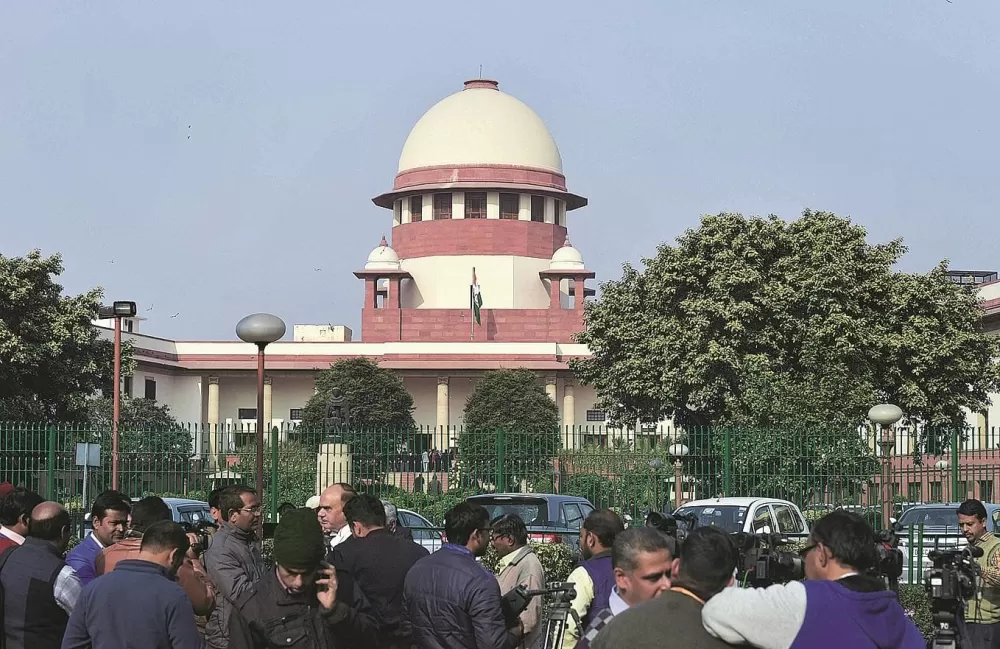
Landmark Ruling: Internet Access Now a Fundamental Right for Indian Children, With Crucial Safeguards
India's Supreme Court has declared internet access a fundamental right for children, a monumental decision that balances digital freedom with essential protections against online harm.
Well, this is certainly a moment of considerable significance for children and families across India. In a landmark decision, the Supreme Court has unequivocally declared that access to and use of the internet is, in fact, a fundamental right for children in the country. This isn't just some casual observation; it’s a profound interpretation under Article 21, which speaks to the protection of life and personal liberty, read alongside Article 19(1)(a) of the Constitution, which guarantees freedom of speech and expression. Quite the powerful statement, wouldn't you say?
The order, a rather extensive 137-page document delivered on October 15th, originated from a petition filed by the NGO Just Rights for Children Alliance. Representing the alliance was senior advocate HS Phoolka, who argued passionately for the digital inclusion and protection of India’s youth. The bench, comprising the esteemed Justices JB Pardiwala and K Vinod Chandran, clearly understood the evolving landscape of our digital world and the crucial role the internet plays in modern life, especially for younger generations.
Now, let’s be absolutely clear here: while this ruling champions children's digital freedom, it’s far from an 'anything goes' situation. The Supreme Court was very careful to strike a delicate balance. They observed that this declaration doesn't, by any means, imply a complete absence of age-based restrictions or necessary safeguards. In fact, they specifically highlighted the need for parental consent, diligent guidance, vigilant oversight, and even the implementation of a dedicated "child mode" for online platforms. It’s all about creating a safe, curated digital environment rather than an unrestricted free-for-all.
Furthermore, and this is a vital point to grasp, the Union of India is absolutely not precluded from stepping in to restrict access to content or services that are inherently harmful. We're talking about things like adult content websites or anything that poses a clear danger to minors. The court fully acknowledged the government’s prerogative and duty to protect children from such detrimental exposures. This isn't a license for anarchy; it's a recognition of rights coupled with responsibilities.
In a direct and crucial directive, the Court also instructed the Centre to get moving on creating a robust national database. This database is intended for the proactive detection and swift removal of sexually explicit visual content depicting minors, often referred to as CSEAM, from all digital platforms. This particular instruction underscores the Court’s unwavering commitment to combating the severe issue of online child abuse and ensuring a safer digital space for every child.
So, what does all this truly mean? It’s a nuanced but incredibly progressive step. It solidifies the idea that in today's world, internet access isn't just a luxury; it’s a fundamental tool for education, information, and participation. Yet, it wisely acknowledges that with such powerful tools come profound responsibilities – for parents, for digital platforms, and crucially, for the government. This ruling sets a precedent for a future where children can explore the digital world with confidence, knowing their rights are protected and their safety is paramount. It’s a call for collaboration, for innovation, and for a truly child-friendly internet.
Editorial note: Nishadil may use AI assistance for news drafting and formatting. Readers can report issues from this page, and material corrections are reviewed under our editorial standards.