India's Evolving Story: Power, Progress, and Persistent Questions
- Nishadil
- May 16, 2026
- 0 Comments
- 2 minutes read
- 27 Views
- Save
- Follow Topic

Amanpour Explores India's Complex Rise with Experts Newton and Bhatia
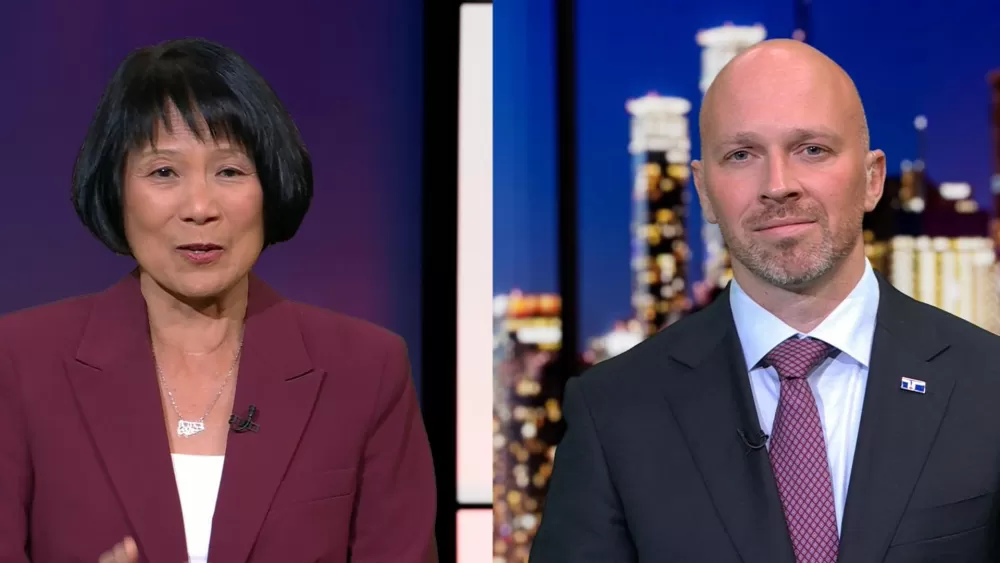
Christiane Amanpour leads a compelling discussion with analysts Dr. Evelyn Newton and Professor Raj Bhatia, dissecting India's accelerating global influence amidst its domestic intricacies and inherent challenges.
There's no denying it, India is a nation on the move, a colossal force shaping our 21st century. But what exactly does that journey entail, both for its 1.4 billion people and for the wider world? We delved into this compelling narrative recently on our program, with two exceptionally insightful guests who offered a nuanced look at what makes India tick, and perhaps, what makes it pause.
Dr. Evelyn Newton, a seasoned geopolitical strategist, really laid out the economic muscle India's flexed. I mean, we’re talking about a nation that’s not just growing, it’s actively recalibrating global power dynamics. She spoke about its pivotal role in groupings like the Quad, a strategic counterbalance, certainly, but also about the immense demographic dividend India possesses – a youthful workforce that’s the envy of aging economies. The sheer scale of its digital transformation, too, is something truly remarkable, positioning it, in her view, as a digital powerhouse in its own right.
But then, Professor Raj Bhatia, with his deep expertise in South Asian studies, reminded us, quite eloquently, that beneath the shimmering surface of economic indicators, there are profound internal discussions, debates even. It’s not just about GDP figures, is it? He highlighted the often-tense interplay between rapid modernization and maintaining India's secular, democratic fabric. We can't simply gloss over the questions surrounding social cohesion, or, indeed, the ongoing struggle to lift millions out of poverty despite all that economic progress. It’s a paradox, he suggested, a nation bursting with potential yet wrestling with its own soul.
Christiane, with her characteristic incisiveness, steered the conversation to this very tightrope walk: how does a nation so fiercely committed to its democratic identity navigate growing authoritarian tendencies elsewhere, while also facing internal pressures that, frankly, sometimes test its own foundational principles? It's a delicate dance, balancing national ambition with democratic responsibilities on the world stage, especially when domestic challenges like unemployment or, say, communal tensions, persist. The global community, she posited, expects much from India, and rightly so.
What emerged from this truly absorbing dialogue was a portrait of India that’s anything but monolithic. It’s a vibrant, sometimes turbulent, democracy actively forging its future, influencing global affairs in profound ways, yet grappling with deeply embedded societal complexities. The world, undoubtedly, will continue to watch, fascinated, as this ancient civilization, now a modern giant, writes its next chapter. It's a story, I daresay, that's far from fully told.
Editorial note: Nishadil may use AI assistance for news drafting and formatting. Readers can report issues from this page, and material corrections are reviewed under our editorial standards.