
India's Bold Move: Chinese Cameras Out at Highway Tolls Over Data Security Fears
- Nishadil
- April 08, 2026
- 0 Comments
- 3 minutes read
- 25 Views
- Save
- Follow Topic
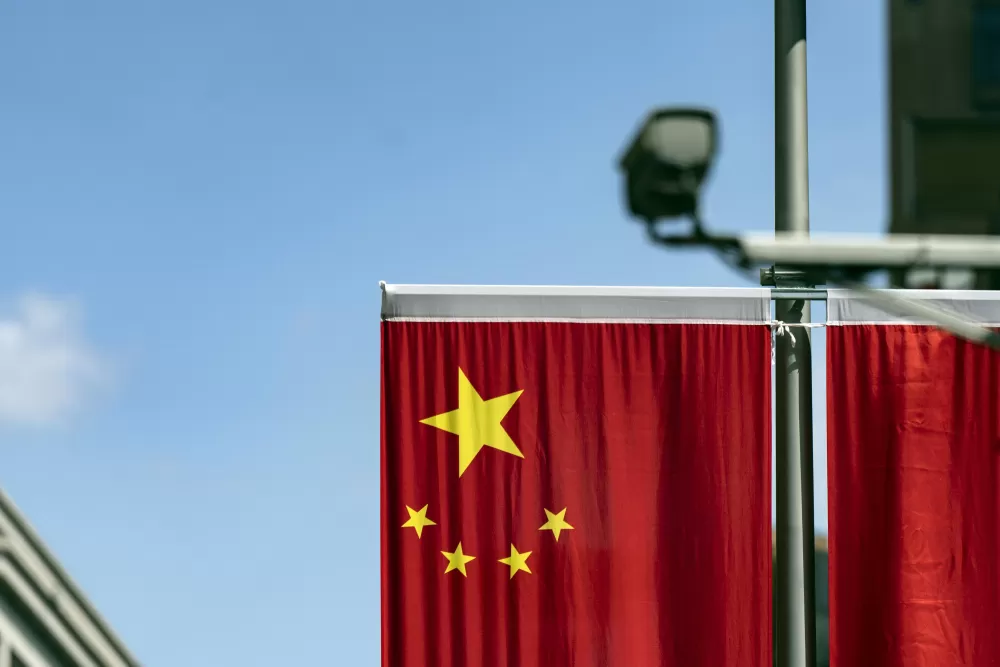
India Bans Chinese Cameras from National Highway Toll Plazas
India's government has mandated the removal and future exclusion of Chinese-made cameras at all national highway toll plazas, citing critical data security concerns.
India's government, it seems, is taking a firm stand on national security, especially when it comes to our vital infrastructure. A significant directive has just come down from the Ministry of Road Transport and Highways (MoRTH): Chinese-made cameras are now explicitly barred from being used at highway toll plazas across the country. It’s a move that certainly turns heads, signalling a clear prioritization of data integrity and cybersecurity over what might have been considered more economical options in the past.
Why such a drastic step, you might ask? Well, the core of the concern revolves around data security. Officials are genuinely worried that these surveillance systems, critical for monitoring traffic and managing toll operations, could potentially have "backdoors" or vulnerabilities. Imagine sensitive information – traffic patterns, vehicle details, perhaps even financial transaction data – being unwittingly transmitted or accessed by external entities. The thought alone is enough to trigger a full-blown security alert, and rightly so, for a nation like India. This isn't just about preventing petty theft; it's about safeguarding national data at a very fundamental level.
The ripple effect of this decision is immediate and widespread. The National Highways Authority of India (NHAI) has been explicitly instructed to scrap any ongoing tenders or bids where Chinese surveillance equipment, particularly cameras, was part of the proposal. Going forward, every single new tender for advanced traffic management systems (ATMS) or general highway management solutions will carry a clear clause: no Chinese cameras allowed. It means a complete overhaul of procurement strategies for these crucial systems, ensuring that only trusted, secure technologies are deployed on India's vast network of national highways.
This isn't an isolated incident; it’s part of a larger, evolving narrative. Over the past few years, India has demonstrated a consistent pattern of reducing its reliance on certain Chinese technologies, citing security concerns. We've seen similar actions taken against Chinese mobile applications, telecommunications gear, and other tech components. This latest directive simply extends that cautious approach to physical infrastructure, underscoring the government's commitment to building a resilient and secure digital and physical ecosystem, free from potential foreign interference or espionage. It's about protecting national interests, pure and simple.
Now, let's be honest, opting for non-Chinese alternatives might, in some instances, translate to a higher initial cost. Chinese manufacturing often offers highly competitive pricing, which can be tempting. However, the government’s stance here is unequivocally clear: the potential financial savings simply do not outweigh the monumental risks associated with compromised data security. The long-term implications of a vulnerable surveillance network could be far more damaging than any upfront cost difference. In essence, they're saying that national security and data integrity are priceless, and perhaps that's a lesson worth learning for many nations.
- India
- News
- Technology
- TechnologyNews
- NationalSecurity
- SupplyChainSecurity
- Nhai
- MotorolaSolutions
- DataSecurity
- SecurityConcerns
- InfrastructureUpgrade
- ImportRestrictions
- Morth
- TaiwaneseCompanies
- DeltaElectronics
- SurveillanceEquipment
- HighwayTolls
- Atms
- Vivotek
- HighSpeedCameras
- ChinaMadeCameras
- HighwayTollCameras
- TechSecurityIndia
- FastagAlternative
- RobertBosch
- IndiaTollSystem
- GermanTechnology
- UsSuppliers
- RoadTransportMinistry
- TollDigitisation
- ChineseCameras
Editorial note: Nishadil may use AI assistance for news drafting and formatting. Readers can report issues from this page, and material corrections are reviewed under our editorial standards.


