India’s Invisible Defence: Inside the Missile Shield Guarding Our Skies
- Nishadil
- July 27, 2026
- 0 Comments
- 4 minutes read
- 21 Views
- Save
- Follow Topic

How a layered web of radars, interceptors and foreign partners keeps the country’s airspace safe
India’s missile shield isn’t a single super‑weapon – it’s a patchwork of home‑grown and imported systems that work together to spot, track and knock out ballistic missiles, drones and cruise threats.
When you hear the phrase “missile shield”, you might picture a lone, all‑powerful gun that blasts any incoming warhead out of the sky. In reality, India’s shield looks more like a tightly knit security team – a chain of radars, command centres and interceptor missiles, each ready to step in if the previous link fails.
That concept has been taking shape for over twenty years. Early in the 2000s, the Defence Research and Development Organisation (DRDO) realised that relying solely on retaliatory strikes was no longer enough. Ballistic missiles were becoming pinpoint‑accurate, cruise missiles could hug the terrain to hide from radar, and cheap drones were suddenly capable of striking critical infrastructure. The answer? Build a defensive umbrella that could spot threats the moment they appear over the horizon and knock them down before they get anywhere near Indian soil.
The first line of that umbrella is a set of long‑range surveillance radars. These eyes stare out for hundreds of kilometres, constantly sweeping the heavens for anything that looks hostile. When a radar picks up a flash of heat or a sudden trajectory, the data is beamed in real‑time to integrated command‑and‑control hubs. There, sophisticated software pieces together a live picture of the sky, calculating speed, altitude, flight path and probable impact point in a matter of seconds.
If the numbers look dangerous, the system quickly decides which interceptor is best suited for the job. High‑altitude threats – those that try to skim the edge of the atmosphere – are assigned the Prithvi Defence Vehicle (PDV). This indigenous missile is designed to climb to the fringes of space and either smash directly into an incoming ballistic missile or explode close enough to shred it. For lower‑altitude targets, such as cruise missiles or fast‑moving UAVs, India relies on endo‑atmospheric interceptors that operate within the denser part of the atmosphere.
But the Indian shield isn’t built on home‑grown tech alone. In 2022, the Russian‑made S‑400 Triumf system was inducted, adding a heavy‑weight layer to the defence stack. Though not a dedicated ballistic‑missile interceptor, the S‑400 can track multiple aerial targets at once and launch a variety of missiles that engage aircraft, cruise missiles and even some ballistic missiles at long range. Think of it as the heavyweight enforcer that backs up the lighter, more agile Indian units.
Closer to the ground, the domestically produced Akash missile system watches over the lower air‑space. Its quick‑reaction capability makes it ideal for taking down incoming drones, low‑flying cruise missiles and hostile aircraft that slip past the outer layers. By stacking these systems – long‑range radars, high‑altitude PDVs, the S‑400, and the Akash – India creates a depth of defence that dramatically raises the odds of a successful interception.
The whole dance, from detection to destruction, unfolds in a matter of minutes. That narrow window means every second counts, and that’s why redundancy is baked into the design: if one radar misses, another picks it up; if one interceptor fails, a second one is already queued.
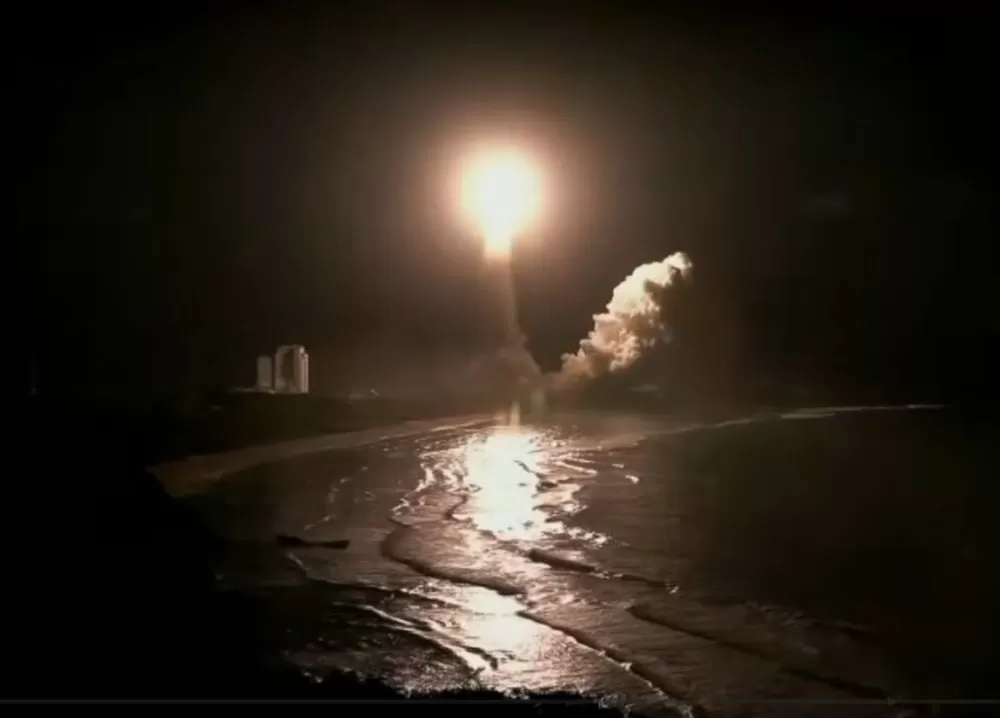
In practice, the missile shield has already proved its worth in a series of test‑flights and live drills, where DRDO successfully intercepted mock ballistic targets at both exo‑atmospheric and endo‑atmospheric ranges. Each trial refines the algorithms, sharpens the response time, and builds confidence that the layered shield can hold up under real combat conditions.
All told, India’s invisible defence is less about a single flashy weapon and more about an intricate, ever‑evolving network. It’s a blend of cutting‑edge Indian engineering, strategic foreign partnerships, and relentless testing – all aimed at keeping the country’s skies, and the people below, safe from the ever‑changing threats of modern warfare.
Editorial note: Nishadil may use AI assistance for news drafting and formatting. Readers can report issues from this page, and material corrections are reviewed under our editorial standards.