Hyderabad's Monsoon Misery: When the Rains Paralyse the Tech Heart
- Nishadil
- June 12, 2026
- 0 Comments
- 4 minutes read
- 17 Views
- Save
- Follow Topic

Hyderabad's Tech Corridor Drowns: A Yearly Battle Against Monsoon Mayhem
Hyderabad's booming IT sector, a jewel in India's tech crown, faces crippling waterlogging and traffic chaos every monsoon, exposing deep-seated infrastructure challenges.
Hyderabad, the city that's become synonymous with India's burgeoning tech scene, a vibrant hub attracting global giants and top talent. Its skyline, dotted with gleaming office towers, often feels like a testament to progress and ambition. But, you know, when the monsoon arrives, that impressive facade often gives way to a much messier, more frustrating reality, especially for those navigating the city's crucial IT corridor. The rains, usually a welcome relief from the heat, transform into a yearly nightmare, turning the tech heart of the city into a sprawling, waterlogged maze.
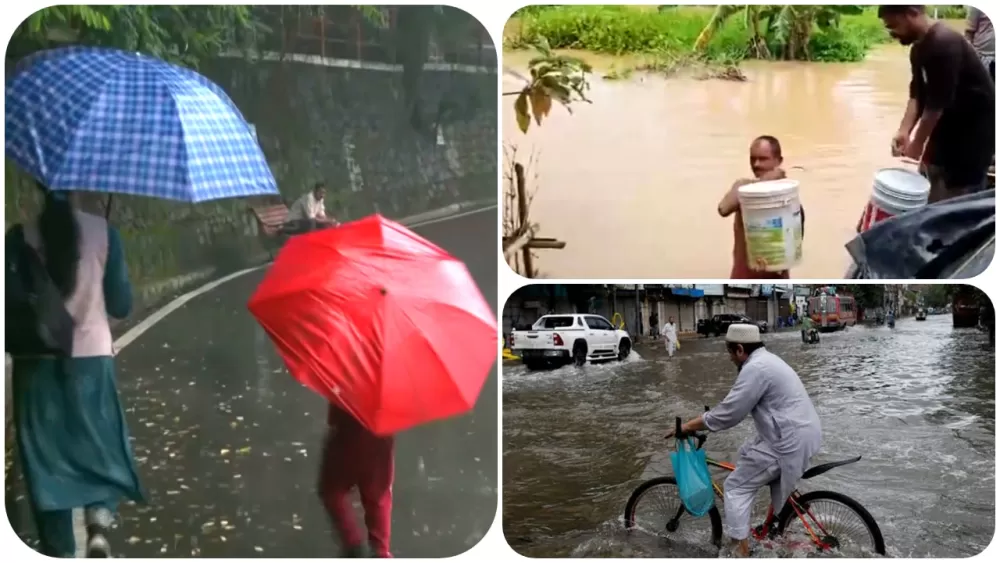
Picture this: It's just a normal workday. You're heading into the office, perhaps in HITEC City, Gachibowli, or the Financial District. Then, a downpour hits, and within minutes, what were once busy arterial roads become murky, slow-moving rivers. We're not talking about a little puddle here; we're talking about knee-deep water, submerged vehicles, and traffic snarls that stretch for hours. Areas around Mindspace, the stretch near Inorbit Mall, or even the bustling IKEA junction? They become epicentres of chaos, grinding daily life to a halt. It’s a scene that, frankly, plays out with disheartening regularity each monsoon season.
So, what exactly gives? Why does a city so forward-looking grapple with such a fundamental issue year after year? Well, for starters, the sheer intensity of Hyderabad's monsoon showers can be staggering. But, let's be honest, it's more than just heavy rain. The city's storm water drainage systems, many of them, just haven't kept pace with its explosive growth. They're often too narrow, poorly maintained, or, worse still, completely choked with construction debris and everyday rubbish. Encroachments on natural drainage channels and lakes only exacerbate the problem, leaving rainwater with nowhere to go. It's a classic case, really, of rapid development outpacing crucial infrastructure planning.
The human cost here is immense. Imagine the thousands of tech professionals – the engineers, developers, and project managers – who contribute to Hyderabad's global reputation. They spend hours stuck in traffic, their productivity zapped before they even reach their desks. The frustration, the stress, the lost personal time – it all adds up. It's not just about getting your shoes wet; it's about the mental toll, the disruption to family life, and the general feeling of helplessness that pervades during these times.
And let's not overlook the bigger picture: Hyderabad prides itself on being a premier destination for global IT investments. But if employees and businesses are constantly battling basic infrastructure failures, how long before that hard-earned reputation starts to waver? Companies seek stable, efficient operating environments, not a yearly struggle against urban flooding. This isn't just a minor inconvenience; it's a significant concern for the city's economic future and its competitive edge.
The Greater Hyderabad Municipal Corporation (GHMC) and the Hyderabad Metropolitan Development Authority (HMDA) are, of course, aware of these challenges. We do see efforts: clearing drains, deploying emergency teams, making temporary fixes. But, frankly, these often feel like band-aid solutions. What's truly needed is a comprehensive, long-term vision – robust storm water drainage systems designed for future growth, strict enforcement against encroachments, and a fundamental rethink of urban waste management. It's a complex problem that demands more than just seasonal reactions; it requires sustained commitment and strategic investment.
As each monsoon approaches, it brings with it not just the promise of cooler weather but also a lingering anxiety for Hyderabad's tech workforce. The city has achieved so much, rising as a global tech powerhouse, yet this persistent challenge of urban flooding remains a stark reminder of unfinished business. True progress, it seems, isn't just about constructing gleaming new buildings; it's about laying down the resilient, sustainable infrastructure that genuinely supports the everyday lives of its people and fuels its future ambitions. Here's hoping that future monsoons will see a Hyderabad better prepared, where the rains are indeed a blessing, not a burden.
Editorial note: Nishadil may use AI assistance for news drafting and formatting. Readers can report issues from this page, and material corrections are reviewed under our editorial standards.