Homeless Veterans: A Nation's Promise and the Persistent Struggle
- Nishadil
- March 07, 2026
- 0 Comments
- 3 minutes read
- 24 Views
- Save
- Follow Topic

Revisiting the Plight of Homeless Veterans Under Previous Administrations: Promises vs. Reality
The issue of homeless veterans is a profound challenge that often cuts through political rhetoric. We take a look back at the efforts and realities faced by our nation's heroes, often highlighted by prominent voices in media, examining the gap between stated goals and the difficult truth on the ground.
There's a quiet, often overlooked crisis unfolding on the streets and in shelters across America, a stark reminder of the sacrifices made by those who served our nation. We're talking, of course, about homeless veterans – men and women who, after defending our freedoms, find themselves without a safe place to call home. It's an issue that touches the very core of our national conscience, one that media figures like CNN's Jake Tapper have often brought into sharp focus, urging us to look beyond the headlines to the human stories beneath.
It's truly heartbreaking when you stop to think about it. These are individuals who volunteered, who put their lives on the line for us all. Yet, for too many, the transition back to civilian life becomes an insurmountable hurdle, leading to devastating outcomes. The factors are complex, really: lingering physical and mental wounds from combat, like PTSD; struggles with substance abuse; a tough job market; and let's not forget the ever-present challenge of finding affordable housing. It's a cruel twist of fate for those who once wore a uniform with pride.
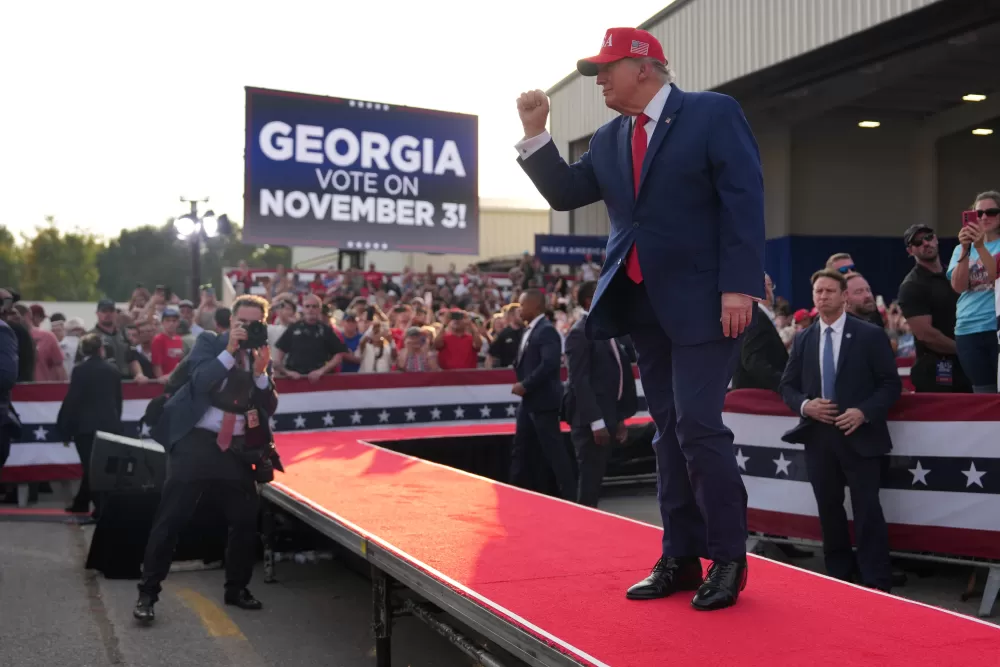
Throughout various administrations, including the one led by President Trump, there's always been a vocal commitment to addressing veteran homelessness. We've heard strong words, earnest promises, and plans to house every single veteran. And yes, some progress has certainly been made over the years – credit where credit is due. There have been initiatives, funding allocations, and dedicated individuals working tirelessly within the Department of Veterans Affairs and various non-profits. The aim, unequivocally, has always been to ensure that no veteran is left behind, living on the streets.
However, the reality on the ground often tells a more complicated tale. Despite the best intentions and the very real efforts, the problem stubbornly persists. It’s a frustrating cycle, isn't it? Numbers might dip in one area, only to see new veterans fall into homelessness elsewhere. This isn't just about a lack of housing; it's about a holistic failure to provide comprehensive support systems that truly catch everyone before they hit rock bottom. Are our existing programs truly robust enough? Are they reaching those most in need effectively? These are the tough questions that need constant re-evaluation.
What many often fail to grasp is the sheer resilience required to serve, followed by the profound vulnerability many experience upon returning. For a veteran struggling with unseen wounds, navigating bureaucratic hurdles to access housing or mental health services can feel like another impossible mission. The system, while designed to help, can sometimes feel overwhelming, isolating. It’s a gap between policy and personal experience that continues to haunt our communities.
So, as we reflect on past commitments and ongoing challenges, it's clear this isn't a simple political football. It's a human imperative. Regardless of who sits in the White House, the fundamental obligation to care for our veterans remains steadfast. It calls for sustained focus, genuine collaboration across sectors, and, perhaps most importantly, a collective refusal to look away. Because until every single veteran has a roof over their head and the support they need, the promise we make to those who serve remains, in too many tragic instances, unfulfilled.
Editorial note: Nishadil may use AI assistance for news drafting and formatting. Readers can report issues from this page, and material corrections are reviewed under our editorial standards.