High-Stakes Dialogue: Ex-Supreme Court Judge and IMF Deputy Chief to Weigh in on 'One Nation, One Election'
- Nishadil
- December 02, 2025
- 0 Comments
- 3 minutes read
- 51 Views
- Save
- Follow Topic

Parliamentary Panel Set to Hear Key Voices on Simultaneous Polls Proposal
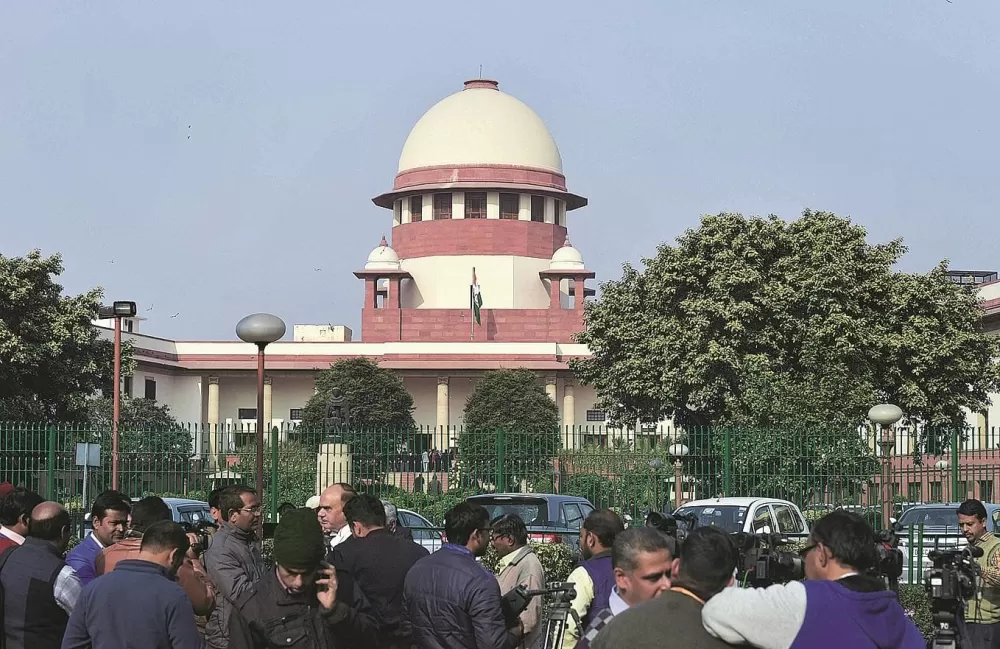
A parliamentary committee is preparing to hear critical insights from former Supreme Court Justice B.R. Gavai and IMF's Gita Gopinath regarding the much-debated 'One Nation, One Election' proposal, exploring its legal, economic, and practical dimensions.
Well, this is certainly shaping up to be a pivotal moment for India's electoral discourse! A parliamentary standing committee is gearing up for what promises to be a deeply insightful session, bringing together some truly remarkable minds to dissect the "One Nation, One Election" proposal. Imagine, we're talking about hearing directly from a former Supreme Court Justice, B.R. Gavai, alongside none other than the IMF's formidable First Deputy Managing Director, Gita Gopinath. Their input, you see, isn't just advisory; it’s poised to significantly shape the national conversation around this ambitious reform.
For those unfamiliar, the "One Nation, One Election" concept advocates for simultaneous elections across the country – think Lok Sabha and all state assemblies voting at roughly the same time. The core argument in its favour is compelling: it promises to slash the enormous public expenditure currently incurred with staggered polls, free up administrative and security personnel for other crucial duties, and perhaps most importantly, ensure a more continuous, uninterrupted cycle of governance, allowing governments to focus on policy rather than perpetual campaigning. The Parliamentary Standing Committee on Personnel, Public Grievances, Law and Justice is, quite rightly, casting a wide net to gather as many diverse perspectives as possible on this complex issue.
Justice B.R. Gavai, with his extensive tenure on India's highest court, brings an invaluable understanding of constitutional law, judicial precedents, and the intricate workings of the Indian legal framework. When he speaks on the feasibility of such a monumental shift, especially concerning its constitutional validity and potential legal challenges, the committee will undoubtedly be hanging on every word. His insights are crucial for navigating the thorny thicket of amendments and legal safeguards that would inevitably be required to implement such a system effectively and fairly.
Then we have Gita Gopinath, a global economic heavyweight from the International Monetary Fund. Her perspective will be utterly fascinating, focusing undoubtedly on the economic ramifications of simultaneous elections. How might it impact fiscal stability, investment cycles, and overall economic growth? What lessons, good or bad, can India draw from other nations that have attempted similar electoral reforms, or simply those with different electoral structures? She's perfectly positioned to offer a macroeconomic lens, giving us a clearer picture of the financial gains, or perhaps even unforeseen costs, associated with this proposal.
It's important to remember that this isn't just a sudden whim; the idea of simultaneous polls has been simmering for years. A high-level committee, led by former President Ram Nath Kovind, is already diligently examining the practicalities and challenges of this very proposal. Moreover, the Law Commission of India has been engaged in its own in-depth studies and consultations. So, while these upcoming briefings are incredibly significant, they fit into a much larger, ongoing national dialogue, indicating a serious intent to explore all angles before any concrete steps are taken.
Ultimately, the views presented by Justice Gavai and Ms. Gopinath will serve as vital guideposts for policymakers. Their combined expertise, spanning legal depth and global economic foresight, will undoubtedly enrich the debate, providing a more holistic understanding of the 'One Nation, One Election' proposal. This isn't just about streamlining elections; it's about potentially reshaping the very rhythm of Indian democracy, and getting it right demands hearing from the best and brightest minds available.
- India
- News
- Environment
- EnvironmentNews
- IndianDemocracy
- ConstitutionalLaw
- IndiaElections
- ChennaiRain
- TamilNaduWeather
- ImdRedAlert
- ElectionReform
- Imf
- ParliamentaryCommittee
- OneNationOneElection
- JusticeBRGavai
- NortheastMonsoon
- EconomicImplications
- TamilNaduCycloneNews
- GitaGopinath
- HeavyRainfallChennai
- CycloneDitwah
- SchoolsClosedChennai
- DisasterManagementTamilNadu
- TiruvallurRainAlert
- StormImpactChennai
- ChennaiFlooding
- TrafficDisruptionsChennai
- MkStalinUpdates
- KanchipuramRainfall
- ReliefWorkChennai
- SimultaneousPolls
Editorial note: Nishadil may use AI assistance for news drafting and formatting. Readers can report issues from this page, and material corrections are reviewed under our editorial standards.