Hawaii Braces for Another Blow: Tropical Storm Moke Threatens Already Battered Islands
- Nishadil
- August 22, 2026
- 0 Comments
- 5 minutes read
- 17 Views
- Save
- Follow Topic

Hawaii on High Alert: Tropical Storm Moke Set to Drench Islands Still Reeling from Lala's Aftermath
Just weeks after Hurricane Lala wreaked havoc, Hawaii finds itself bracing for Tropical Storm Moke, bringing fresh threats of heavy rain and dangerous conditions, especially to the Big Island.
Hawaii, it seems, just can't catch a break. Hot on the heels of Hurricane Lala's devastating visit, the islands are now staring down Tropical Storm Moke, a system that promises more widespread misery, especially for the already beleaguered Big Island. Expected to officially reach tropical storm status around August 21st, 2026, Moke is forecast to skirt south of the Big Island this very weekend – think August 22nd and 23rd – before making its presence felt across the other islands early next week. While no direct landfall is anticipated, meteorologists are sounding the alarm, warning that the islands will be squarely in the 'dirty side of the eye,' a term that frankly doesn't inspire much confidence.
So, what does this actually mean for residents and visitors? Well, pretty much all of Hawaii is in for a rough patch, with gusty winds, life-threatening surf, and treacherous rip currents on the horizon. But let's be clear: the Big Island is once again in the bullseye. Forecasters from the National Weather Service in Honolulu are talking about a daunting 5 to 10 inches of rain there, with some isolated pockets, particularly the windward and southeast areas already battered by Lala, possibly seeing a staggering foot or even 15 inches of rainfall. A flood watch, naturally, is already in effect, running from late Saturday night right through Monday afternoon. Elsewhere, Maui could see up to 3 inches on its windward side, perhaps 4 in east Maui. Kauaʻi might get 1 to 2 inches, and the remaining islands generally brace for a similar amount.
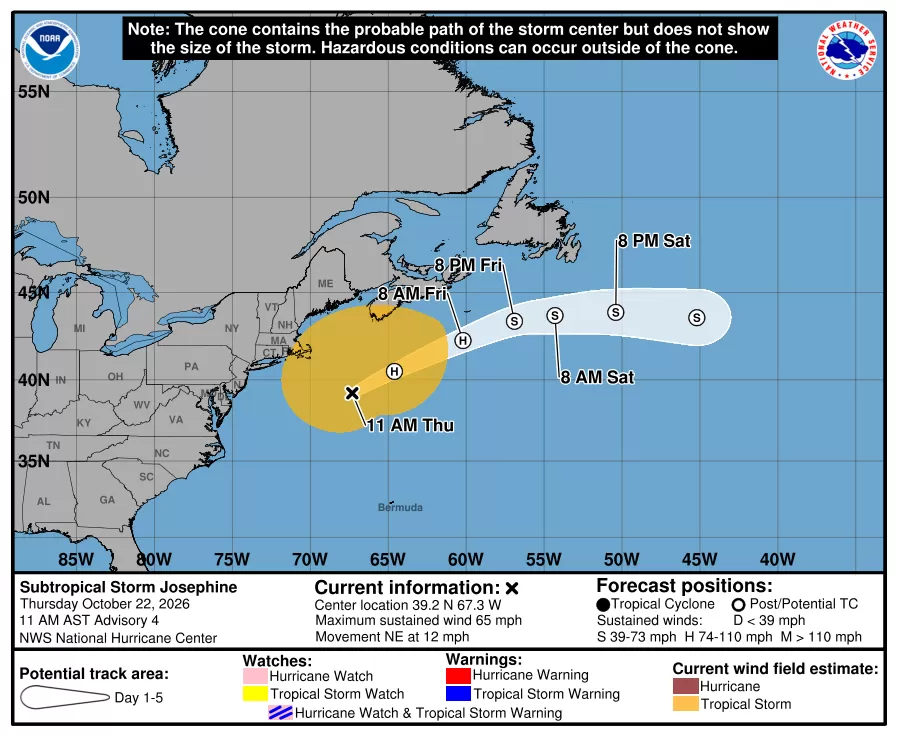
As of Friday night, August 21st, at 11:00 p.m. local time, what was formerly Tropical Depression Two-C officially transformed into Tropical Storm Moke. It was churning along with sustained winds of 35 miles per hour, heading west-northwest at a steady 10 mph. But don't let those numbers fool you; by Saturday morning at 5 a.m. Hawaii time, Moke had already picked up steam, boasting sustained winds of roughly 50 mph and tracking at 12 mph, positioned about 470 miles southeast of Hilo. The Central Pacific Hurricane Center (CPHC) noted that tropical-storm-force winds were extending a considerable 70 miles out from its core. While the forecast suggests a period of gradual strengthening before eventual weakening early next week due to less favorable atmospheric conditions, the immediate threat is very real, especially with the islands being on that ‘dirty side’ we mentioned.
Now, here's where Moke becomes more than just another storm: it’s hitting a region still profoundly scarred by Hurricane Lala, which struck just about a week ago. The Big Island, particularly, remains deeply saturated, its infrastructure weakened. Lala, let's not forget, inflicted a staggering $43 million in infrastructure damage and another $4.6 million in home destruction. It ripped trees from the ground, swept buildings away, tore up roads and bridges, and left vital arteries buried under mud and rocks. Tragically, it also claimed one life. Remember those incredible rainfall totals from Lala? The northeast coast of the Big Island saw an unbelievable 43.54 inches of rain. And as of Saturday, August 22nd, a significant 9,000 customers on the Big Island were still without power, a stark reminder of Lala's lingering grip. This isn't just a fresh weather event; it's piling on top of an ongoing crisis.
Officials, as you might expect, are urging extreme caution and immediate preparation. Governor Josh Green of Hawaii has been unequivocal: "Restock your food, your medicine, all your essentials," he advised, emphasizing the necessity of being ready for what could be another difficult few days. He truly understands the weight of Lala's recent devastation on the community. Hawaii County Mayor Kimo Alameda echoed these sentiments, stressing the importance of preparation. John Bravender, a Warning Coordination Meteorologist with the CPHC, did offer a glimmer of slightly less bad news, indicating Moke's track might be a bit further south with a smaller wind field compared to Lala. But even a 'smaller' wind field on already compromised ground is a serious concern. Casey Oswant, a meteorologist with the NWS in Honolulu, was clear about the risks: "We’re expecting a lot of heavy rain," he warned, pointing to the high potential for dangerous flooding and mudslides, especially given the ground's current saturation.
So, as Hawaii faces this new challenge, the message is clear: vigilance and readiness are paramount. The islands have proven their resilience time and again, but successive storms truly test the limits. Residents are being asked to stay informed, listen to local authorities, and take every precaution to protect themselves and their loved ones. It's going to be a challenging weekend and start to the week, no doubt about it.
Editorial note: Nishadil may use AI assistance for news drafting and formatting. Readers can report issues from this page, and material corrections are reviewed under our editorial standards.