Gurugram's Green Horizon: Reimagining Waste Management for a Sustainable Future
- Nishadil
- December 27, 2025
- 0 Comments
- 4 minutes read
- 41 Views
- Save
- Follow Topic

Gurugram Administration Ramps Up Efforts to Transform Waste Management Systems
Gurugram's Deputy Commissioner recently convened a critical meeting to assess and revitalize the city's solid waste management initiatives, focusing on improving collection, segregation, and processing to achieve a cleaner, greener urban environment.
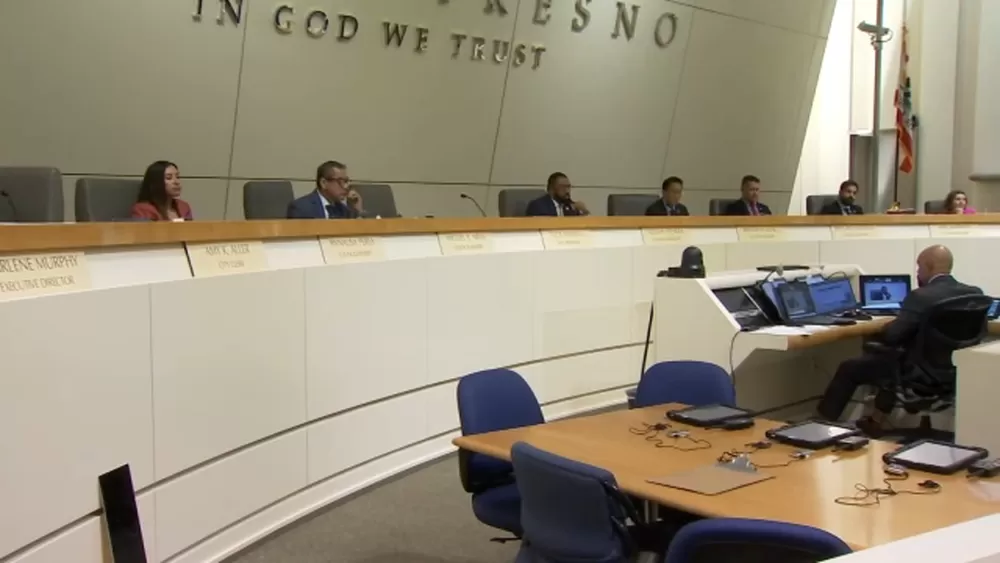
In a city as dynamic and fast-paced as Gurugram, managing the sheer volume of daily waste is, let's be honest, a colossal task. It's a challenge every modern urban center grapples with, but one that Gurugram’s administration is clearly committed to tackling head-on. Recently, Deputy Commissioner Nishant Kumar Yadav spearheaded a crucial review, bringing together key officials to scrutinize the existing solid waste management initiatives and map out a more effective path forward.
This wasn't just another routine meeting; it was a deep dive into the practicalities and pitfalls of keeping our city clean. The DC emphasized the absolute necessity of robust waste management systems, particularly focusing on how waste is collected, segregated, and processed across the city. It's about moving from aspiration to tangible, measurable progress, ensuring that Gurugram isn't just a concrete jungle, but a clean, sustainable one.
At the very heart of effective waste management lies segregation at the source – the simple, yet often overlooked, act of separating wet and dry waste right in our homes. Imagine, if every household diligently followed this, how much easier it would be for the collection teams! The meeting touched upon the door-to-door waste collection system, a critical first step. It's commendable, but as we all know, its success hinges entirely on residents doing their part. The conversation underscored that achieving 100% source segregation isn't merely a goal; it's a fundamental requirement for the entire process to work.
Once collected, what happens to all that waste? Well, the wet waste, for instance, has a rather noble destiny. The administration is keen on ensuring that every bit of wet waste generated in Gurugram, roughly around 800-900 metric tonnes daily, is processed. Think composting, or perhaps even biogas generation – turning what was once considered rubbish into valuable resources. These initiatives are not just about waste disposal; they're about resource recovery and environmental stewardship.
And then there's the dry waste. After segregation, it makes its way to various Material Recovery Facilities (MRFs) before being sent for recycling or converted into Refuse Derived Fuel (RDF). Meanwhile, the Bandhwari landfill, a site that’s been the subject of much discussion, is seeing efforts to manage its legacy waste through a Balling Plant. It’s a complex undertaking, a real battle against years of accumulation, but one that’s absolutely vital for the city’s environmental health.
Beyond the everyday household waste, the meeting also touched upon specialized streams like construction and demolition (C&D) waste. With Gurugram’s constant development, the debris generated can be immense. Having proper channels for processing C&D waste is crucial to prevent illegal dumping and maintain civic aesthetics. It's a testament to the comprehensive approach being adopted: no waste stream left behind, so to speak.
Of course, no major initiative is without its challenges. One of the recurring themes was the need for greater public cooperation and stricter monitoring by municipal corporation officials. It’s no secret that a lack of consistent segregation by residents, coupled with the sheer scale of waste generation, often puts a strain on the system. The DC's message was clear: accountability is paramount, from the ground-level collection teams right up to the supervisory staff. Ultimately, a clean city isn't just about government policies; it’s a shared responsibility, a collective ethos.
Looking ahead, the vision is ambitious but achievable: a 'zero-waste' Gurugram. It means reducing, reusing, and recycling as much as possible, minimizing what goes to landfills, and fostering a culture of environmental consciousness. The DC’s proactive stance and insistence on regular follow-ups are a positive sign, indicating a serious intent to not just talk about a cleaner city, but to actually make it a reality. It's a journey, undoubtedly, but one that Gurugram is now taking with renewed vigor and determination.
Editorial note: Nishadil may use AI assistance for news drafting and formatting. Readers can report issues from this page, and material corrections are reviewed under our editorial standards.