Greece Under a Red Sky: Saharan Dust, Deadly Floods
- Nishadil
- April 03, 2026
- 0 Comments
- 2 minutes read
- 25 Views
- Save
- Follow Topic

Saharan Dust Storm Paints Greek Skies Orange, Brings Deadly Floods
A massive Saharan dust storm turned the Greek sky a dramatic orange-red this week, significantly reducing visibility. Accompanied by severe winds and flooding, the extreme weather tragically led to one death on the island of Crete.
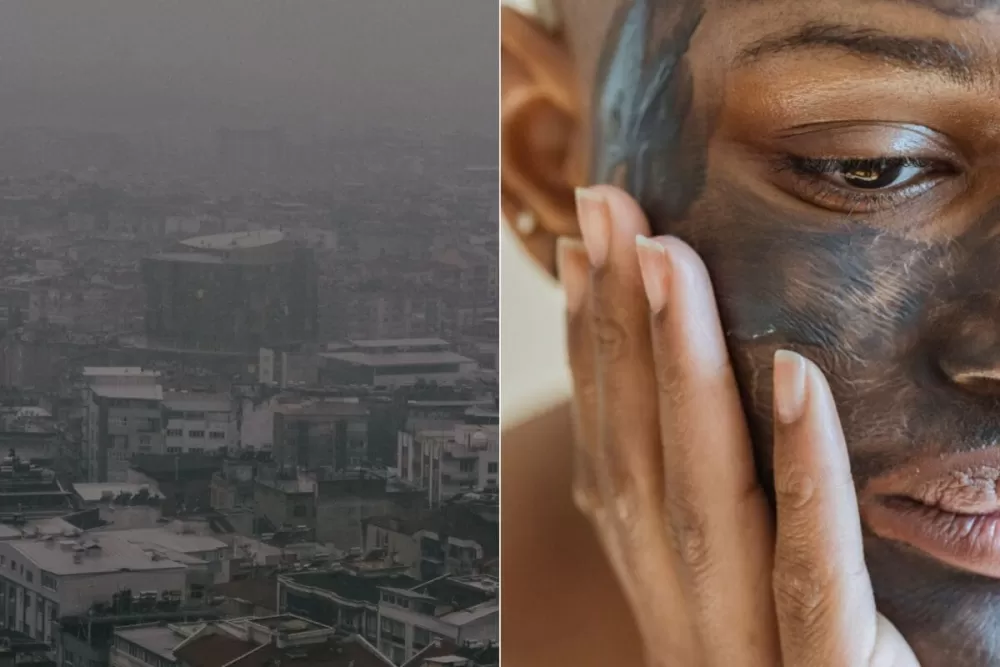
Imagine looking up at the sky and seeing it transformed into a fiery, alien landscape. That's exactly what happened across large parts of Greece this week, as an extraordinary cloud of Saharan dust swept in, painting the heavens in dramatic shades of orange and red. For residents across swathes of the country, from the bustling capital of Athens to the ancient island of Crete and the Peloponnese, Tuesday brought with it a sight both breathtaking and unsettling – a truly cinematic spectacle that turned day into a kind of perpetual twilight.
This wasn't just a pretty picture, though. The massive plume of dust, carried all the way from the Sahara Desert by strong southerly winds, significantly reduced visibility, creating an almost apocalyptic haze. You know, the kind of scene that makes you pause and double-check your calendar, wondering if you've stumbled into a science fiction movie. But if the unusual sky wasn't enough, this weather system brought more than just dust.
Alongside the red-tinged air, Greece was battered by relentless high winds and torrential downpours. These severe conditions, sadly, turned deadly on the island of Crete, where a 69-year-old man tragically lost his life. He was swept away by raging floodwaters near the town of Aghia Pelagia, a stark and heartbreaking reminder of nature's raw power and the very real dangers that accompany such extreme weather events. It's a sobering thought, isn't it, how quickly a natural wonder can turn into a devastating force.
Meteorologists explained that the intense southerly winds acted like a massive conveyor belt, scooping up tons of sand and dust from the Sahara and ferrying them across the Mediterranean. This isn't entirely unprecedented, of course; Greece occasionally experiences dust plumes, but the sheer intensity and widespread nature of this particular event were certainly noteworthy. In fact, some might recall a similar, albeit less severe, episode back in March 2018 that also blanketed Crete.
Thankfully, there's a clear forecast ahead. Experts predicted that the Saharan dust would begin to dissipate by Wednesday evening, with a noticeable drop in temperatures expected across the region. So, as the skies slowly return to their familiar blue, and the last vestiges of the orange glow fade, Greeks can finally breathe a sigh of relief, reflecting on a truly unforgettable, and sadly, tragic, few days of weather.
Editorial note: Nishadil may use AI assistance for news drafting and formatting. Readers can report issues from this page, and material corrections are reviewed under our editorial standards.