Gold's Enduring Luster: Why Analysts Predict Strong Support Through 2026
- Nishadil
- December 30, 2025
- 0 Comments
- 4 minutes read
- 52 Views
- Save
- Follow Topic

The Golden Outlook: How Anticipated Federal Reserve Rate Cuts Could Propel Prices Beyond 2025
A recent analysis highlights a strong potential for gold prices to remain robustly supported into 2026, primarily fueled by expected Federal Reserve rate cuts and persistent global economic dynamics.
Ah, gold. That ancient, shimmering metal that has captivated humanity for millennia, always finding a way to hold its value, especially when the world feels a little shaky. With the global economic landscape constantly shifting and central banks performing a delicate dance with monetary policy, many of us are naturally wondering: where exactly is this precious metal headed next?
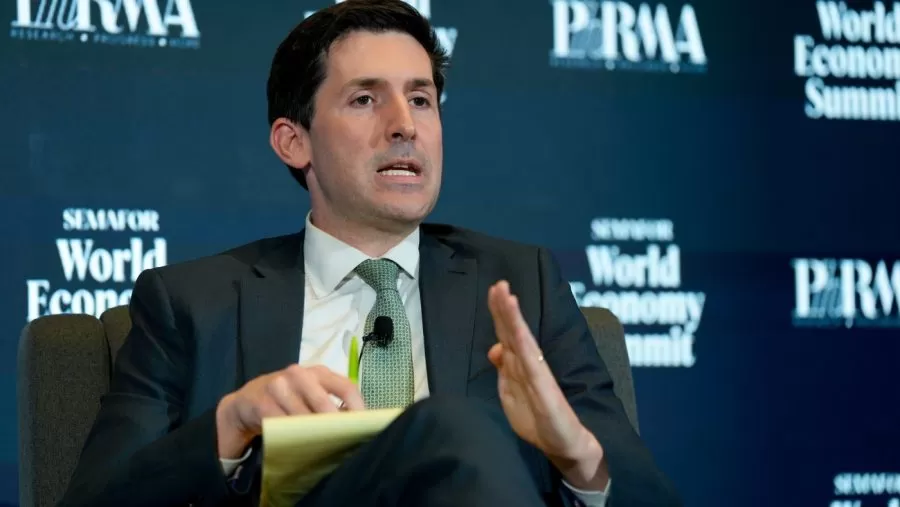
Well, an intriguing perspective recently shared by analysts, much like one we've seen highlighted on CNBC, suggests that gold prices are set to receive significant backing, potentially carrying them through 2026 and perhaps even beyond. The core of this compelling argument? The highly anticipated rate cuts from the United States Federal Reserve.
Now, you might be asking, "Why do Fed rate cuts matter so much for gold?" It's a fair question, and the answer is actually quite straightforward. Think about it for a moment: when interest rates on things like government bonds or even your humble savings account start to decline, the "opportunity cost" of holding a non-yielding asset, such as physical gold, also decreases significantly. Suddenly, gold looks a whole lot more attractive. Why tie up your capital in an investment that's paying minimal interest when gold offers a different kind of security and potential upside? It's a classic push-and-pull dynamic, and lower rates tend to tip the scales in gold's favor, making its appeal as a safe haven and inflation hedge shine even brighter.
The general expectation within financial circles is that the Federal Reserve, in its continuous balancing act between taming inflation and fostering economic growth, will likely begin easing its monetary policy by 2026. This move typically signals that policymakers feel inflation is sufficiently under control, or perhaps that the economy needs a bit of a boost to avoid a downturn. It's a delicate tightrope walk, and investors are always trying to predict their next step.
But let's be honest, it's rarely just one single factor driving market movements, is it? While Fed rate cuts are certainly a powerful potential catalyst, gold's enduring allure is also deeply rooted in broader global uncertainties. Geopolitical tensions, whether they're simmering conflicts in distant lands, significant political upheavals, or even just general economic instability, often send investors scurrying towards gold's perceived safety. And it’s not just individual investors; central banks around the world have been consistent, robust buyers of gold for years now, which effectively provides a strong, underlying demand floor for the metal. And then, of course, there's the ever-present concern about inflation. Even if the Fed does cut rates, persistent fears about the erosion of purchasing power can keep gold firmly in the spotlight as a traditional, reliable hedge.
Now, no prediction is without its caveats and its "what ifs." Should the global economy surprise everyone with unexpectedly robust and sustained growth, or if inflation proves to be far more stubborn than anticipated, forcing the Fed to delay or even limit its planned rate cuts, then gold's upward trajectory could certainly face some significant headwinds. The strength of the U.S. dollar also plays a role; a stronger dollar generally makes gold, which is priced in dollars, more expensive for international buyers, potentially dampening demand.
Ultimately, the outlook for gold in the coming years appears quite positive, at least according to this prominent analytical viewpoint. The anticipated shift in Federal Reserve policy, coupled with gold's timeless and enduring role as a reliable safe haven in a sometimes unpredictable world, certainly suggests a supportive environment for its price. For those of us looking at our investment portfolios and contemplating future moves, understanding these complex dynamics isn't just academic; it could prove to be quite valuable indeed.
Editorial note: Nishadil may use AI assistance for news drafting and formatting. Readers can report issues from this page, and material corrections are reviewed under our editorial standards.