Geopolitical Jitters Rattle Asian Markets: A Deep Dive into the Aftermath
- Nishadil
- March 05, 2026
- 0 Comments
- 2 minutes read
- 32 Views
- Save
- Follow Topic

Asian Stocks Take a Nosedive as Middle East Tensions Send Ripples Across the Globe
Asian stock markets experienced a tough trading day, with significant declines led by Seoul, as escalating geopolitical tensions in the Middle East cast a long shadow over investor sentiment and triggered a broad risk-off mood across the region.
It was a day that felt like a punch to the gut for many investors across Asia. As news of escalating tensions between Iran and Israel continued to dominate headlines, a wave of apprehension swept through the continent's stock markets, sending major indices tumbling into the red. It's truly a testament to how interconnected our world has become, where events unfolding thousands of miles away can directly impact your portfolio.
Leading the charge downward, rather unfortunately, was South Korea. Seoul's KOSPI index took a particularly hard hit, plummeting over three percent – a really substantial drop by any measure. One could almost feel the collective gasp of traders there, as fears of a wider conflict in the Middle East translated directly into heavy selling pressure. It just goes to show how sensitive markets are to geopolitical instability, especially when it involves major oil-producing regions.
This widespread apprehension, however, wasn't just limited to South Korea. Elsewhere across the region, markets echoed a similar sentiment of concern. Hong Kong's Hang Seng index, a key barometer for Chinese financial health, also experienced a notable decline, as did Japan's venerable Nikkei 225. Even Australia's S&P/ASX 200 wasn't spared, joining the downward trend as investors opted for caution, choosing to sell off riskier assets and move towards safer havens.
Looking further afield, China's markets, while perhaps showing a touch more resilience than some of their regional counterparts, still ended the day in negative territory. Both the Shanghai Composite and the Shenzhen Component indices registered losses, albeit somewhat less dramatic than those seen in Seoul. Meanwhile, in India, the Nifty 50 and Sensex also felt the pinch, underscoring the universal nature of this fear-driven sell-off. It really felt like a domino effect, with one market fall influencing the next.
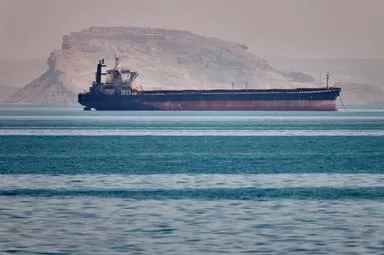
At the heart of all this volatility is, of course, the intensifying standoff in the Middle East. The real worry isn't just the immediate conflict, but the potential for it to spiral into something much larger, disrupting global trade, particularly oil supplies. Unsurprisingly, this fear manifested in rising crude oil prices, as well as a noticeable uptick in gold, traditionally a safe bet during uncertain times. Even U.S. stock futures were signaling a tough opening, suggesting this wasn't just an Asian phenomenon but a truly global concern. It's a stark reminder that in our globalized economy, what happens in one corner of the world truly impacts us all.
- Canada
- Business
- News
- BusinessNews
- Sensex
- Usd
- OilPrices
- GlobalEconomy
- BtcUsd
- InvestorSentiment
- Nikkei225
- HangSeng
- AsianMarkets
- Kospi
- GeopoliticalTensions
- UsdCny
- UsdInr
- Cqqq
- Kweb
- Caf
- NzdUsd
- Hsi
- Yang
- IranIsraelConflict
- Usdjpy
- Shcomp
- Audusd
- Dxj
- Ewj
- Mchi
- Fxi
- Gxc
- Tdf
- Cxse
- Ashr
- Kure
- Chiq
- Ewh
- Pgj
- Yinn
- Kba
- NkyInd
- Fxy
- JpyUsd
- Cweb
- As51
- UsdKrw
- HkdUsd
- CnyUsd
- InrUsd
- StockMarketDownturn
- RiskOff
Editorial note: Nishadil may use AI assistance for news drafting and formatting. Readers can report issues from this page, and material corrections are reviewed under our editorial standards.