Forging a United Front: India's Urgent Push for Theatre Commands, with a Smart, Phased Approach
- Nishadil
- July 14, 2026
- 0 Comments
- 4 minutes read
- 21 Views
- Save
- Follow Topic

Why India's Integrated Theatre Commands are Critical Now, and How Experts Advise a Step-by-Step Implementation
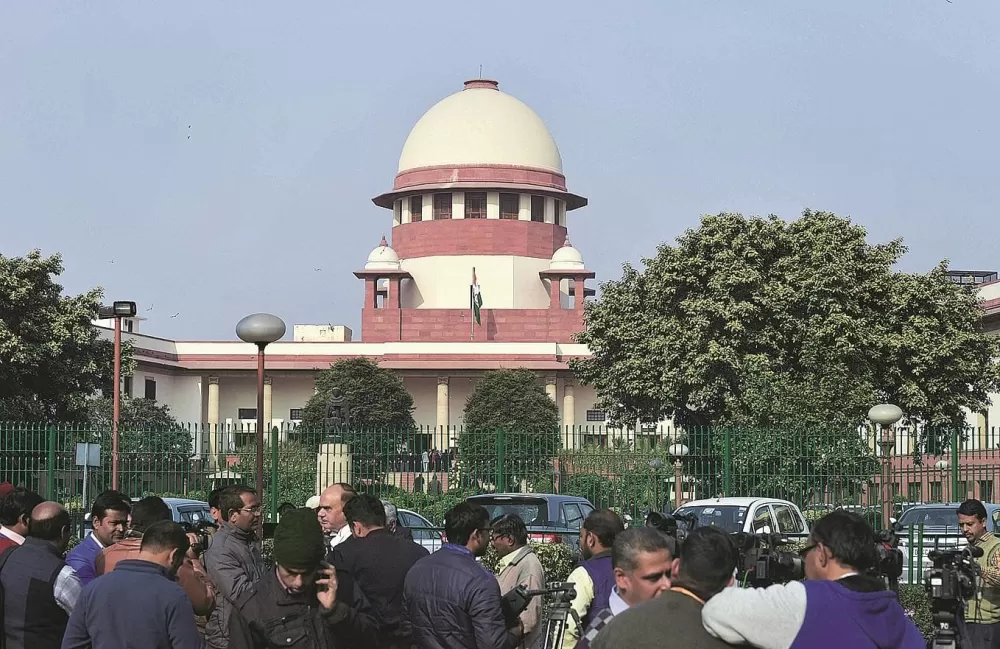
India's military is moving towards integrated theatre commands, a vital step for modern warfare. While undeniably urgent, experts like Lt Gen Satish Dua suggest a carefully phased rollout to ensure success and iron out complexities, making sure we get it right.
You know, when we talk about national security and modern warfare, there's a buzzword that's really gaining traction in India: 'theatre commands.' It’s not just a fancy term; it represents a monumental shift in how our armed forces, namely the Army, Navy, and Air Force, operate together. Right now, there's a strong, almost palpable sense of operational urgency pushing this transformation forward. However, and this is a crucial point, many experts are advocating for a smart, phased rollout rather than a rushed 'big bang' approach.
Let's be frank, the global strategic landscape, especially around India, demands this kind of integration. With ongoing challenges from both China and Pakistan, our military needs to be as lean, mean, and efficient as humanly possible. The whole idea behind theatre commands is to bring the distinct strengths of each service — land power, naval might, and air superiority — under a single commander. Imagine how much more effective our response could be, how much better our resources could be optimized, if everyone was truly singing from the same hymn sheet, rather than operating in silos. The Kargil War, for instance, offered some painful lessons about the need for better coordination, and those lessons certainly aren't forgotten.
But here’s the rub: implementing such a radical change isn't easy. It’s not just about drawing lines on a map or renaming commands. There are significant hurdles, the kind that often come with major organizational overhauls. We're talking about potential 'turf wars' between the services, which is a natural human tendency when you try to merge long-standing institutions. Then there's the sheer financial commitment required, the logistical nightmare of relocating and reorganizing assets, and perhaps most importantly, the need for a complete shift in military doctrine and culture. It’s a lot to untangle, frankly.
This is precisely why the wisdom of seasoned professionals, like former Chief of Integrated Defence Staff (CISC), Lt Gen Satish Dua (Retd), is so vital. General Dua, in a recent interview with Firstpost, very sagely highlighted the 'operational urgency' but also stressed the critical importance of a 'phased rollout.' He articulated it beautifully: "This is a transformational change, so it's not going to be like an immediate effect. It has to be phased in, because it is going to involve major changes in the way the services operate, major changes in logistics, major changes in doctrine, major changes in procurement." What this means is, we can’t just flip a switch and expect everything to fall into place perfectly.
A phased approach allows us to learn, adapt, and refine as we go. Think of it like building a complex machine; you test each component before integrating it into the whole. Starting with, say, the Northern or Western fronts, which are our immediate operational priorities, makes immense sense. We can iron out the wrinkles, identify unforeseen challenges, and build institutional memory before expanding the model nationwide. This isn't about delaying the inevitable; it's about ensuring that when we do roll out these commands fully, they are robust, effective, and truly enhance our warfighting capabilities rather than introducing new inefficiencies.
The groundwork for this vision has actually been laid over many years, with committees like the Shekatkar Committee pushing for integration. Now, under the current government, there's a clear political will and strategic impetus to finally make this a reality. The goal, ultimately, is to optimize our resources – human, material, and financial – to ensure India remains a formidable force, capable of deterring aggression and defending its interests effectively in a rapidly evolving geopolitical landscape.
So, yes, the urgency for integrated theatre commands is undeniable. It's a critical step towards a more unified, agile, and powerful Indian military. But, as thoughtful experts rightly advise, balancing this urgency with a meticulously planned, phased implementation is key to ensuring that this grand strategic vision truly succeeds, making our forces stronger for generations to come.
Editorial note: Nishadil may use AI assistance for news drafting and formatting. Readers can report issues from this page, and material corrections are reviewed under our editorial standards.