Florida's Chilling Phenomenon: When Iguanas Take a Tumble From the Trees
- Nishadil
- February 05, 2026
- 0 Comments
- 3 minutes read
- 70 Views
- Save
- Follow Topic
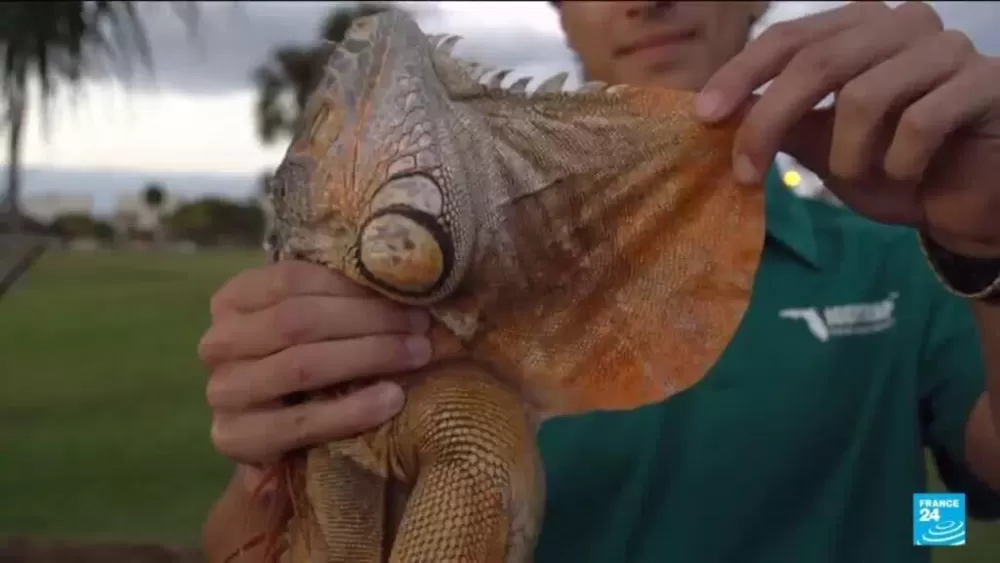
Unusual Cold Snap Causes Iguanas to Plummet, Stunned, From Florida Trees
During rare cold fronts, Florida's iguanas enter a state of temporary paralysis, causing them to fall from their perches. Learn why these cold-blooded reptiles are literally dropping out of the sky and what to do if you find one.
Ah, Florida! The Sunshine State, synonymous with warmth, beaches, and vibrant wildlife. But every so often, when an unusual cold front decides to pay a visit, particularly to its southern reaches, things get... well, downright bizarre. Imagine waking up to find giant, seemingly lifeless iguanas scattered across your lawn or driveway. No, it's not some scene out of a creature feature; it’s just another quirky side effect of chilly weather on Florida’s cold-blooded residents.
What exactly is going on here? It boils down to basic biology. Green iguanas, those striking, often sizable reptiles we’ve grown accustomed to seeing basking in the sun, are poikilothermic. That's a fancy word meaning their body temperature mirrors their surroundings. When temperatures drop significantly, let's say into the low 40s Fahrenheit (around 4-5 degrees Celsius), their metabolic processes slow right down. They enter a state of temporary paralysis, a kind of suspended animation, and simply can't hold on to their perches in trees any longer. Gravity, as it always does, takes over, and down they tumble.
It’s quite a sight, I’m told – finding these creatures, sometimes several feet long, lying motionless on the ground. A friend of mine who lives near Miami once called me, utterly perplexed, convinced he'd stumbled upon a reptile graveyard. But here's the crucial bit, and one that state wildlife officials are quick to emphasize: they are almost certainly not dead. They're just very, very cold and temporarily stunned. Think of it as a forced, involuntary nap, brought on by the sudden drop in temperature.
Now, while it might be tempting to rush to their aid, perhaps bring them inside to warm up by the fire (and trust me, the thought has crossed many a well-meaning Floridian’s mind), it’s strongly advised that you resist that urge. As soon as those sun rays return and the mercury starts climbing back to comfortable levels, these iguanas will begin to "thaw out." And when they do, they'll be just as feisty and territorial as ever. A seemingly lifeless iguana can quickly transform into a scratching, biting, very much alive reptile once its body temperature normalizes. Best to admire this strange natural phenomenon from a safe distance, eh?
This isn't a new phenomenon, by the way. Every few years, when Florida experiences an uncharacteristic cold snap, these 'iguana falls' make headlines and become the talk of the town, not to mention a social media sensation. It's a dramatic illustration of how even non-native species (iguanas are invasive in Florida) adapt, or rather, react to environmental shifts. It's nature's way of hitting the pause button for these reptiles, allowing them to endure conditions they're not typically built for.
So, the next time the weather forecast for South Florida includes unusually low temperatures, don’t be too surprised if you hear reports of falling iguanas. It’s a vivid, albeit slightly alarming, reminder of the delicate balance between wildlife and weather, even in a place as perpetually warm as Florida. And who knows, maybe it’ll even make you appreciate your own warm-blooded nature just a little bit more!
- Canada
- UnitedStatesOfAmerica
- News
- Environment
- EnvironmentNews
- Mexico
- Venezuela
- Brazil
- InvasiveSpecies
- ColdWeather
- Colombia
- CostaRica
- Jamaica
- Haiti
- PuertoRico
- Netherland
- WildlifePhenomenon
- EnvironmentalImpact
- Peru
- Panama
- AnimalBehavior
- ElSalvador
- Guatemala
- Cuba
- Grenada
- Honduras
- Barbados
- Argentina
- Dominica
- CaymanIslands
- Nicaragua
- Belize
- Guyana
- Chile
- Ecuador
- DominicanRepublic
- Bolivia
- Paraguay
- Uruguay
- FloridaIguanas
- SouthFloridaColdSnap
- ReptileParalysis
Editorial note: Nishadil may use AI assistance for news drafting and formatting. Readers can report issues from this page, and material corrections are reviewed under our editorial standards.