Five Years On, Kananaskis Conservation Pass Has Raked in $60 Million – But At What Cost?
- Nishadil
- November 07, 2026
- 0 Comments
- 3 minutes read
- 9 Views
- Save
- Follow Topic
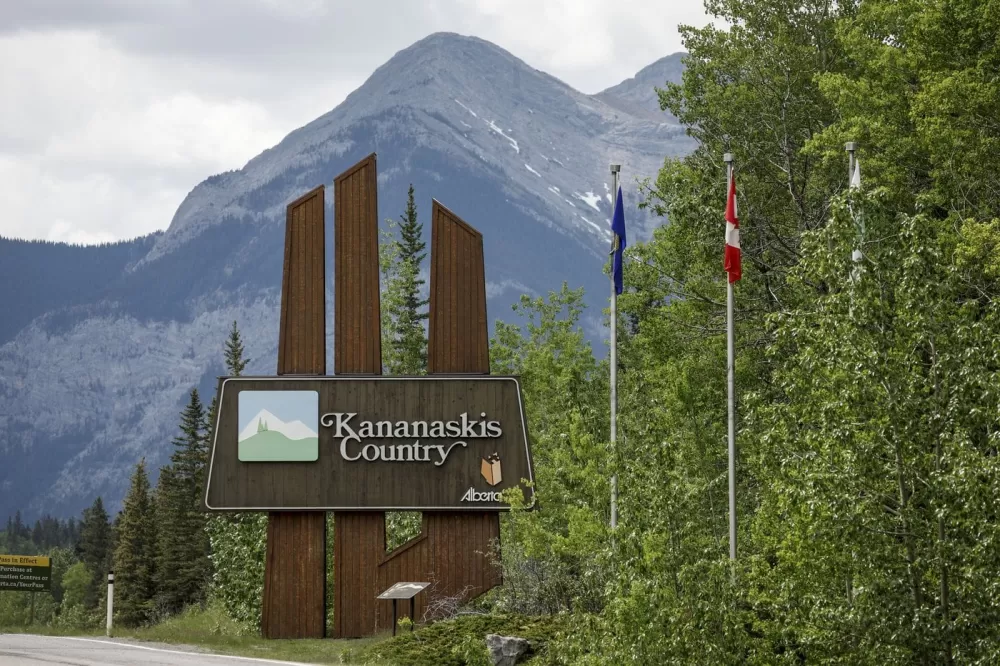
Kananaskis Conservation Pass hits $60 M milestone, igniting debate over fairness and funding use
Five years after Alberta introduced the Kananaskis Conservation Pass, it has generated roughly $60 million for park upkeep. The cash influx is welcomed by some, but the fee structure and transparency raise eyebrows among hikers, locals and First Nations.
When the provincial government rolled out the Kananaskis Conservation Pass in the spring of 2021, the idea was simple on paper: charge day‑users a modest fee, pool the money, and pour it back into the mountains that so many Albertans love. Fast‑forward five years, and the math looks impressive – about $60 million has been collected.
That figure, however, is only the tip of a rather tangled rope. Critics argue the pass is now a pricey gate‑keeper, especially for families, low‑income visitors and Indigenous peoples who have historic ties to the land. The cost of a daily pass sits at $10, while a seasonal pass runs about $70. For a weekend outing, the price can add up faster than a sudden thunderstorm.
Supporters counter that the revenue is already doing good work. The province says roughly half of the cash goes straight to Alberta Parks for trail maintenance, wildlife monitoring and habitat restoration. The other half is split between the government’s general fund and a modest share earmarked for nearby First Nations communities, who receive funding for cultural‑site protection and economic‑development projects.
Still, the devil is in the details. A recent audit revealed that only a fraction of the earmarked money actually reached those First Nations partners, prompting calls for tighter accounting. "We see the numbers on the website, but we need to see the projects on the ground," said one local trail‑association leader, pausing to sip his coffee.
Beyond the dollars, there’s a growing sense that the pass may be changing how people experience Kananaskis Country. Some hikers recall a time when a quick stroll didn’t require a receipt. Now, parking lot attendants hand out tickets to those without proof of purchase, and social‑media posts sometimes show angry drivers clutching fines.
Tourism operators are split, too. Outfitters argue the fee helps keep the trails in shape, attracting more visitors in the long run. Yet boutique cabin owners whisper that the extra cost might deter out‑of‑province guests, especially when neighboring parks in British Columbia remain free.
All this has led to a chorus of questions: Is the revenue proportionate to the administrative cost of issuing passes and enforcing compliance? Are the funds being allocated in a way that truly benefits the ecosystems they’re meant to protect? And perhaps most importantly, does the pass create an equity gap that runs counter to the province’s outdoor‑access ethos?
Provincial officials remain optimistic. "We’ve seen measurable improvements in trail conditions and wildlife monitoring thanks to the pass," a spokesperson told reporters last week. "We’re committed to transparency and will work with communities to address any concerns."
For now, the $60 million benchmark stands as both a triumph and a provocation. It proves that, when you put a price tag on nature, people will pay – but it also reminds policymakers that numbers on a ledger don’t always capture the lived experience of those who walk the trails.
Editorial note: Nishadil may use AI assistance for news drafting and formatting. Readers can report issues from this page, and material corrections are reviewed under our editorial standards.