Five Boeing 777s, a Madagascar Tycoon and a Cross‑Continental Sanctions Scam
- Nishadil
- October 24, 2026
- 0 Comments
- 3 minutes read
- 9 Views
- Save
- Follow Topic
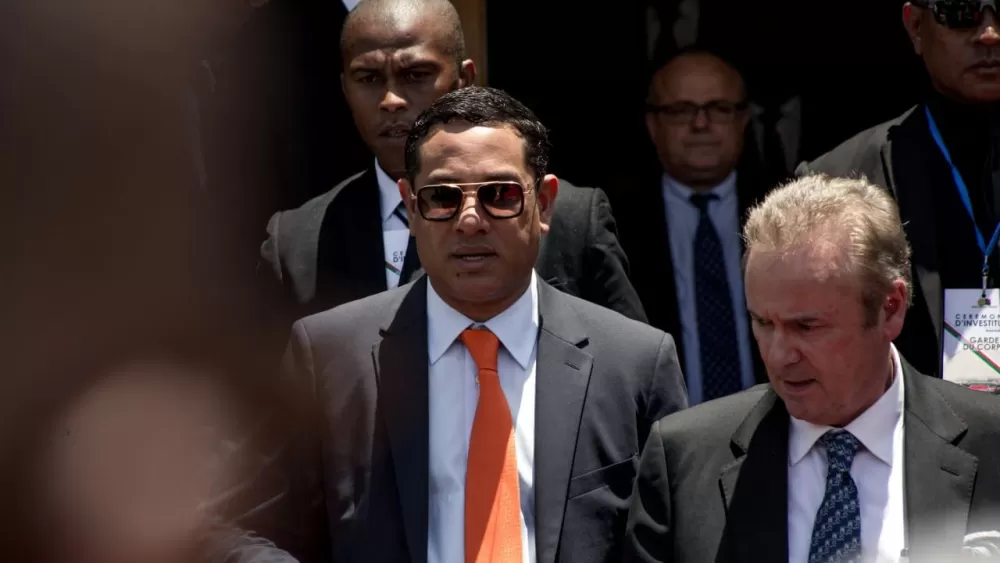
How a Malagasy billionaire helped route five Boeing 777 jets to Iran, sparking a high‑profile corruption trial
A Madagascar businessman is on trial for allegedly using fake plane registrations to funnel five Boeing 777s to Iran, evading U.S. sanctions and prompting an international investigation.
In a courtroom in Antananarivo, a once‑powerful Malagasy entrepreneur finds himself at the centre of what prosecutors call a sprawling sanctions‑evasion scheme. Mamy Ravatomanga, 57, is accused of helping move five Boeing 777 aircraft from a Florida‑based shell company to Iran, using temporary registrations that briefly listed the jets as Malagasy‑owned.
The planes never actually landed on Madagascar’s soil. Investigators say the fleeting Malagasy registration allowed the aircraft to glide through international airspace before being handed over to Mahan Air, the Tehran‑based carrier already under U.S. Treasury sanctions for links to the Revolutionary Guards.
According to an indictment obtained by AFP, co‑defendant Singh Khushwinder – believed to be the real owner of the company that filed the registrations – told investigators that Ravatomanga pocketed roughly five million euros from the deal. Ravatomanga’s lawyers dispute the figure, noting that the bail hearing in Mauritius mentioned dollars rather than euros and that the evidence presented is inconsistent.
The jets themselves have a convoluted pedigree. Originally bought by Singapore Airlines in the early 2000s, they later sat in China after being sold to Ion Aviation, a Florida‑registered firm. All five are now listed under Mahan Air on the aviation‑spotting database Planespotters, and two of them were specifically targeted by U.S. Treasury sanctions in April 2025 for allegedly supporting Iran’s drone and weapons programmes.
Prosecutors also point to a series of photographs taken at a meeting in Antananarivo’s Novotel hotel. Those images supposedly show Ravatomanga alongside then‑transport minister Valery Ramonjavelo, the head of Madagascar’s civil aviation authority Gervais Damasy, Khushwinder and Iranian national Hamid Arabnejad – the man U.S. authorities have identified as Mahan Air’s chief executive and a long‑standing sanctions target.
Ravatomanga’s defence team says they have never seen the photos and questions whether they even exist. The FBI, which is cooperating with Mauritian authorities, declined to comment on the alleged evidence.
The case has swelled to include 28 defendants, ranging from senior officials to a former Senate president. Ravatomanga himself remains detained in Mauritius after fleeing the island just days before a military coup ousted his ally, former president Andry Rajoelina, in October 2025.
His business empire, the Sodiat Group, started as a modest transport company in 1990 and later grew into a diversified conglomerate covering automotive distribution, aviation, private security, media, construction, healthcare, real estate, hospitality, tourism and the lucrative vanilla trade. French investigators have previously probed his Parisian property holdings and alleged involvement in rose‑wood trafficking, though those cases were dropped for lack of evidence.
Ravatomanga’s counsel, Khushal Lobine, argues that the pre‑trial detention – more than a year in a foreign jail – is “unprecedented” for what could amount to only white‑collar offences. Mauritian courts have denied bail twice, citing a flight‑risk that reminds officials of the Carlos Ghosn escape. Ironically, the very jet used in Ghosn’s dramatic flight from Japan to Turkey belonged to a subsidiary of the Sodiat Group, though it was operated by a Turkish carrier at the time.
As the trial unfolds, it highlights how intricate networks of shell companies, falsified aircraft registrations and political patronage can be weaponised to skirt international sanctions. Whether the evidence will hold up in court remains to be seen, but the proceedings have already cast a long shadow over Madagascar’s business elite and the broader geopolitics of Iran’s aviation fleet.
Editorial note: Nishadil may use AI assistance for news drafting and formatting. Readers can report issues from this page, and material corrections are reviewed under our editorial standards.