
Europe's Precarious Balancing Act: Navigating Mideast Crises and Soaring Fuel Costs
- Nishadil
- April 22, 2026
- 0 Comments
- 3 minutes read
- 26 Views
- Save
- Follow Topic
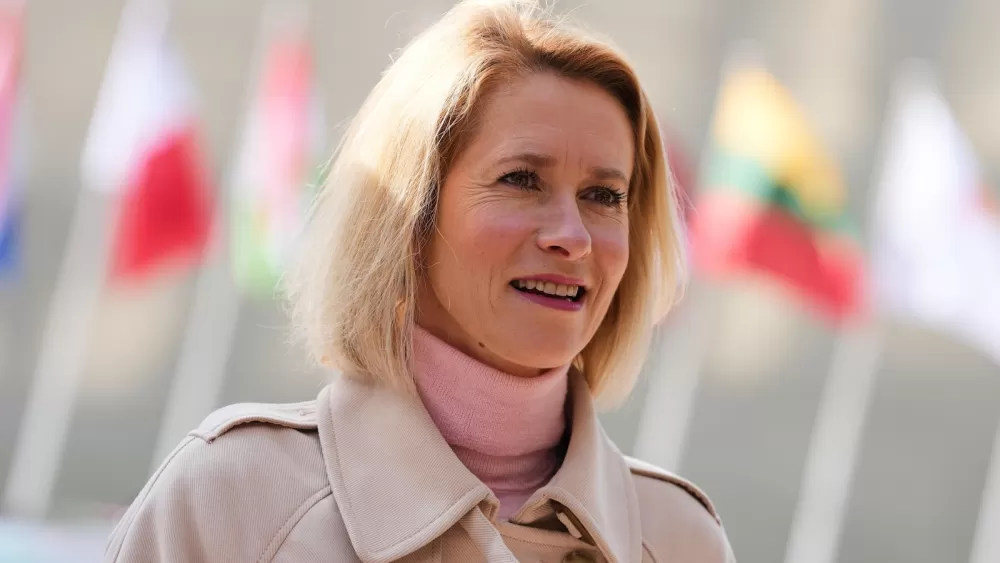
A Continent Divided: How Geopolitical Tensions and Energy Prices Strain European Unity
Europe finds itself in a precarious position, grappling with the complex and often divisive fallout from Middle Eastern crises while simultaneously facing the economic sting of rapidly rising fuel costs. This double whammy is testing the continent's unity and forcing difficult conversations among its leaders, highlighting deep-seated differences in approach.
Europe, it seems, is constantly walking a tightrope. On one side, there's the relentless geopolitical pressure emanating from the Middle East, a region whose turmoil invariably sends ripples across the Mediterranean. On the other, a more immediate, gut-punching reality: the price of fuel just keeps climbing, squeezing households and businesses alike. Frankly, it's a tough spot to be in, and it's creating some serious cracks in what's supposed to be a unified European front.
Let's talk about the Middle East first. You know, for decades, events in that part of the world – conflicts, political upheavals, humanitarian crises – have forced Europe to react. But here's the kicker: European nations rarely agree on how to react. Some countries, perhaps with historical ties or specific economic interests, might lean towards intervention or a particular diplomatic stance. Others, burdened by domestic concerns or a different worldview, advocate for caution, non-interference, or a completely different approach. This isn't just academic debate; these differences create real tension, making a cohesive European foreign policy feel like a distant dream.
And then there's the sheer economic pain. Rising fuel costs aren't some abstract indicator; they hit you right in the wallet, every single time you fill up your car or pay your heating bill. This is directly linked to global stability, or rather, instability. When there's unrest in major oil-producing regions, or even just uncertainty, the markets get jumpy, and prices inevitably climb. It's a cruel feedback loop: geopolitical instability contributes to higher energy prices, which in turn exacerbates economic hardship, potentially leading to further social and political unrest within European nations.
This dual challenge, this one-two punch of Mideast crises and spiraling energy costs, really puts European unity to the test. How can you forge a common policy on international affairs when member states are pulling in different directions, often driven by their own immediate economic pressures or historical biases? The solidarity that Europe strives for can feel incredibly fragile when individual nations face distinct internal challenges stemming from these broader global issues. It makes every summit, every debate, a far more charged affair.
Ultimately, Europe finds itself in a challenging bind. Leaders are under immense pressure from their citizens who are feeling the pinch, and from the complex realities of international relations. Finding a path forward that addresses both the moral and strategic imperatives of Middle Eastern engagement, while also safeguarding the economic well-being of its people, is an incredibly delicate balancing act. It's a situation that demands not just diplomacy, but genuine collaboration, and frankly, a level of consensus that often proves elusive.
- UnitedStatesOfAmerica
- Business
- News
- Politics
- BusinessNews
- WorldNews
- Europe
- EnergyIndustry
- RussiaUkraineWar
- MiddleEast
- GeneralNews
- Elections
- ForeignPolicy
- GovernmentPolicy
- EnergyPrices
- EconomicImpact
- InternationalRelations
- Diplomacy
- GeopoliticalTensions
- WarAndUnrest
- EuropeanUnity
- FuelCosts
- InternationalAgreements
- SanctionsAndEmbargoes
- GlobalInstability
- IranWar
- 20242026MideastWars
Editorial note: Nishadil may use AI assistance for news drafting and formatting. Readers can report issues from this page, and material corrections are reviewed under our editorial standards.









