Eknath Shinde Slams 2019 MVA Formation as the Biggest Vote Theft in Maharashtra History
- Nishadil
- October 21, 2026
- 0 Comments
- 3 minutes read
- 0 Views
- Save
- Follow Topic
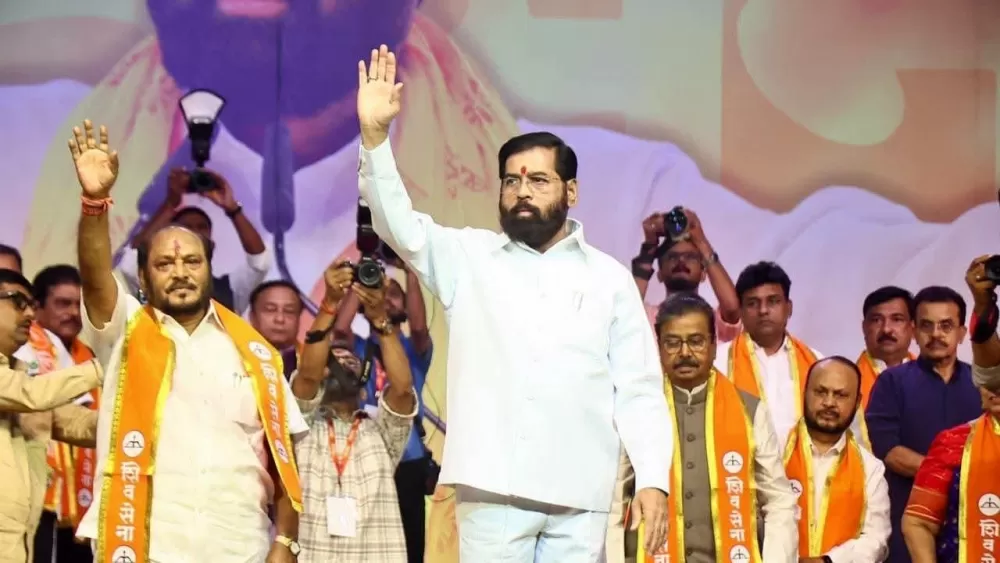
Maharashtra Deputy CM brands the 2019 Maha Vikas Aghadi government as ‘biggest vote theft’
Deputy Chief Minister Eknath Shinde accused the 2019 MVA coalition of betraying the Shiv Sena‑BJP mandate, calling it the largest vote robbery the state has ever seen.
Speaking to a sea of party workers, MPs, MLAs and countless "Shiv Sainiks" at a Diamond Jubilee rally in Goregaon, Maharashtra Deputy Chief Minister Eknath Shinde did not hold back. He labeled the formation of the Maha Vikas Aghadi (MVA) government in 2019 as "the biggest vote theft" the state has ever witnessed.
Shinde, whose words were directed squarely at former Shiv Sena chief Uddhav Thackeray, argued that when the Shiv Sena‑BJP alliance secured a clear majority in the 2019 assembly polls, the decision to join forces with the opposition broke the very mandate given by voters. "Those who stabbed Maharashtra in the back to become chief minister are the real vote robbers," he declared, his tone a mixture of accusation and disappointment.
The comments came amidst the party’s Dussehra celebrations, a gathering that drew hundreds of leaders, senior ministers, corporators and grassroots activists. While some cheered, others watched silently as Shinde turned his rhetoric toward the broader national opposition.
He went on to criticize the INDIA bloc and its leader Rahul Gandhi, accusing them of seeking to “divide the country” by attacking constitutional institutions. “Rahul Gandhi leading a march to the Supreme Court is an insult to our highest judicial body,” Shinde said, adding that such tactics were an attempt to undermine the constitution crafted by Dr. Babasaheb Ambedkar.
Shinde also targeted Prime Minister Narendra Modi, but this time with a different flavour. He praised Modi’s tireless service, suggesting that “140 crore people will not forgive those who constantly denigrate a leader who never takes a day off for himself.” The deputy chief minister’s remarks painted a picture of a political landscape where loyalty, he implied, should be measured against the vote of the people.
For context, the 2019 Maharashtra assembly election saw the Bharatiya Janata Party (BJP) and Shiv Sena contesting as pre‑poll allies. Together they secured a comfortable majority, yet internal differences soon led Shiv Sena to break its three‑decade‑long partnership with the BJP. Uddhav Thackeray then formed the MVA coalition with the Nationalist Congress Party (NCP) and the Indian National Congress, taking oath as chief minister on 28 November 2019.
The political rift deepened in June 2022 when Shinde, backed by a sizable group of MLAs, rebelled against Thackeray, resulting in a split of the Shiv Sena into two factions. The faction led by Shinde eventually allied again with the BJP, reshaping Maharashtra’s power equations.
During the rally, Shinde also promised tangible help for distressed farmers and workers, saying, "We are not here just to give speeches. Until the last drop of blood in our bodies, we will stand firmly behind the farmers and workers." His pledge was meant to underscore the party’s grassroots focus, especially as Maharashtra battles drought and agrarian distress.
Thackeray, not one to stay silent, responded earlier in the day by demanding a change in government, accusing the BJP of voter list manipulations, inadequate farmer compensation, rising unemployment and a failure to protect the Hindu community. He lamented the state’s drought situation, questioning whether promised relief funds ever reached those who needed them most.
The back‑and‑forth between the two leaders reflects a deeper fault line in Maharashtra’s politics—one that pits loyalty to a pre‑poll alliance against the fluid realities of coalition‑building. As the next state elections loom, both sides appear ready to weaponise the narrative of “vote theft” to rally their bases.
Editorial note: Nishadil may use AI assistance for news drafting and formatting. Readers can report issues from this page, and material corrections are reviewed under our editorial standards.