Edmonton Councillor Proposes Per‑Tree Fee to Hold Developers Accountable for Green‑Space Loss
- Nishadil
- September 08, 2026
- 0 Comments
- 3 minutes read
- 15 Views
- Save
- Follow Topic

Councillor Michael Janz wants developers to pay for every tree felled in new neighbourhoods
A motion to charge developers per tree cut in expanding suburbs could help curb sprawl, protect wetlands and shift climate costs back onto builders.
Ward Papastew councillor Michael Janz stepped onto the council agenda this week with a proposal that’s turning heads: a fee, charged for each tree that’s removed when a new suburb is built on Edmonton’s edge. The idea sounds simple enough—put a dollar amount on every mature tree that disappears—but the implications could ripple through the city’s growth model.
“Right now they build these new communities and the city has to pay for tree‑planting elsewhere,” Janz told reporters. He points to the empty lots downtown—like the former Toys R Us parking area—that sit idle while developers find it cheaper to carve a cul‑de‑sac beyond Henday. “It’s still cheaper to go out there, and that has to stop. Until we charge the true cost, they keep pocketing profit while the climate risk lands on the taxpayer.”
Putting a price on trees isn’t just about money. Trees mop up carbon dioxide, cool the streets by shading sidewalks, and act as a natural buffer against the urban heat‑island effect. Janz reminded the council that a single mature tree can pull roughly 21 kg of CO₂ each year—a modest number compared with the 20.7 tonnes generated by an average Edmonton household, meaning it takes nearly a thousand trees to offset one family’s emissions.
The city already levies a dollar assessment when trees are removed from established lots, but that policy doesn’t extend to the sprawling greenfields where new subdivisions sprout. By ignoring the ecological value of those trees, Janz argues, Edmonton is effectively subsidising developers and encouraging further sprawl.
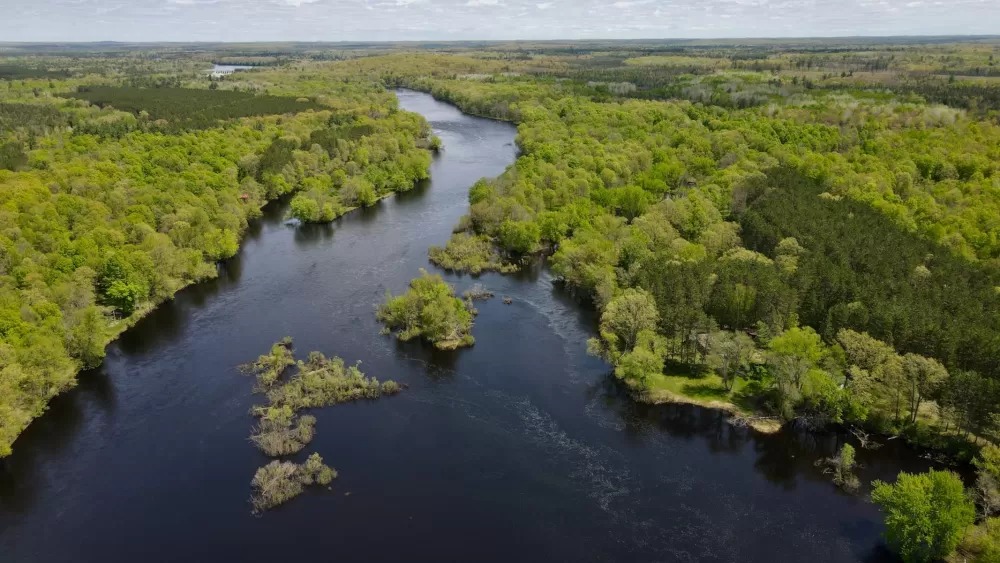
“When you put up a new neighbourhood you’re destroying wetlands and intact ecosystems,” he said. “One new development can be cutting down hundreds of trees, some of them very old and worth thousands of dollars. Those costs aren’t being reflected.”
Janz’s motion doesn’t cover infill projects—those that rebuild within the existing city fabric. That issue is being tackled separately, with a proposed bylaw that would require permits for tree removal on established lots, a motion championed by Mayor Andrew Knack after community concern over recent infill cuts.
Back in 2023, Edmonton’s Energy Transition and Climate Resilience Committee released a report showing that redeveloping existing properties can slash emissions by 30‑50 % compared with greenfield builds. The findings underline a growing consensus: protecting existing trees and wetlands is far more climate‑friendly than carving out fresh land.
If the council votes in favour of Janz’s fee, developers could face a per‑tree charge that runs into the millions for a typical subdivision. The revenue would, in theory, fund new tree‑planting programmes, wetland restoration and other green‑infrastructure projects—essentially forcing builders to internalise the environmental cost of their expansion.
Whether the proposal survives the political back‑and‑forth remains to be seen, but one thing is clear: Edmonton’s future skyline may soon have a greener price tag attached to every new street and cul‑de‑sac.
Editorial note: Nishadil may use AI assistance for news drafting and formatting. Readers can report issues from this page, and material corrections are reviewed under our editorial standards.