
Echoes Across Time: Rediscovering the Underrated Magic of Frequency
- Nishadil
- April 14, 2026
- 0 Comments
- 4 minutes read
- 28 Views
- Save
- Follow Topic
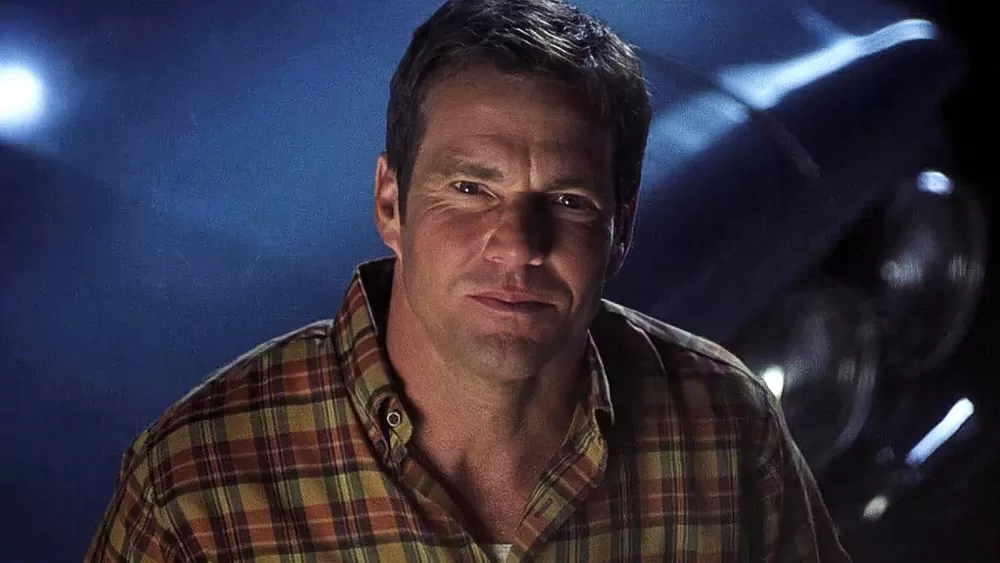
Frequency: Why Dennis Quaid's Heartfelt Sci-Fi Gem Deserves Another Look
More than just a time-travel flick, 'Frequency' weaves a poignant tale of a son reconnecting with his deceased father across decades, offering a truly unique blend of sci-fi ingenuity and profound emotional depth.
It’s funny how some movies, despite their undeniable charm and cleverness, just… slip through the cracks of collective memory. We’re often so fixated on the big blockbusters or the critically acclaimed darlings that a truly unique gem can easily get lost in the shuffle. One such film that absolutely begs for rediscovery is the 2000 sci-fi drama, Frequency, starring Dennis Quaid and Jim Caviezel. If you’ve never seen it, or if it’s been years since your last viewing, trust me, you're missing out on something genuinely special.
At its core, Frequency presents a premise that’s as simple as it is brilliant, and refreshingly original in a genre often reliant on paradoxes and convoluted explanations. Imagine this: a freak atmospheric phenomenon, a rare aurora borealis, somehow creates a temporal bridge. For John Sullivan (Caviezel), a New York City detective in 1999, this means he can suddenly communicate with his deceased father, Frank (Quaid), a firefighter, in 1969, all through an old ham radio. It’s not some grand, flashy time machine; it's a quiet, crackling connection across thirty years.
Now, I know what you might be thinking – a ham radio? Really? But oh, it works so beautifully because the film isn't just about the science fiction element. That’s merely the ingenious catalyst. What makes Frequency truly sing, what gives it its enduring power, is the raw, emotional heart beating at its center. It’s a story about a son who lost his father too young, haunted by that void, and suddenly, impossibly, gets a second chance to talk to him. To warn him. To just... connect.
Dennis Quaid delivers a truly captivating performance as Frank, the rugged, loving, yet ultimately doomed father. You feel his warmth, his dedication, and his vulnerability. And Jim Caviezel, as the adult John, perfectly conveys the weight of his past, the desperation to change what’s been, and the complicated emotions of essentially parenting his own parent from the future. Their on-screen chemistry, even separated by decades and a radio, is palpable and genuinely moving. You can't help but root for them.
Of course, altering the past comes with its own set of unforeseen, often terrifying, consequences. What starts as a simple warning to save his father's life soon unravels into a complex web, inadvertently resurrecting a dormant serial killer case known as the "Nightingale Killer." Suddenly, John and Frank are not only trying to save Frank's life but also collaborating across time to solve a cold case that impacts both their timelines. This adds a fantastic thriller dimension, injecting suspense and higher stakes into an already emotionally charged narrative.
Directed by Gregory Hoblit, Frequency manages to juggle its sci-fi conceit, its emotional drama, and its nail-biting thriller elements with remarkable finesse. It never feels bogged down by exposition or overly complicated. Instead, it maintains a compelling pace, always keeping the audience invested in both the father-son relationship and the unfolding mystery. It’s smart, it’s heartfelt, and it’s genuinely gripping – a combination that’s harder to pull off than it looks.
So, if you’re searching for a film that offers more than just explosions or generic sci-fi tropes, if you crave a story that truly makes you think and feel, then do yourself a favor and revisit Frequency. It’s a testament to the power of human connection, the allure of second chances, and a poignant reminder that some of the greatest cinematic treasures are often the ones we least expect to find. You might just discover your new favorite underrated movie.
Editorial note: Nishadil may use AI assistance for news drafting and formatting. Readers can report issues from this page, and material corrections are reviewed under our editorial standards.













