Donald Trump's Resurgent Visions: Presidential Immunity, Supreme Court Courage, and a Tariffs-First Economy
- Nishadil
- February 21, 2026
- 0 Comments
- 3 minutes read
- 38 Views
- Save
- Follow Topic

Mar-a-Lago Musings: Trump Lays Out Vision on Immunity, Judicial Action, and Global Trade
At a recent Mar-a-Lago press conference, Donald Trump candidly shared his strong opinions on presidential immunity, the Supreme Court's past election decisions, and his enduring belief in a tariffs-driven economic policy.
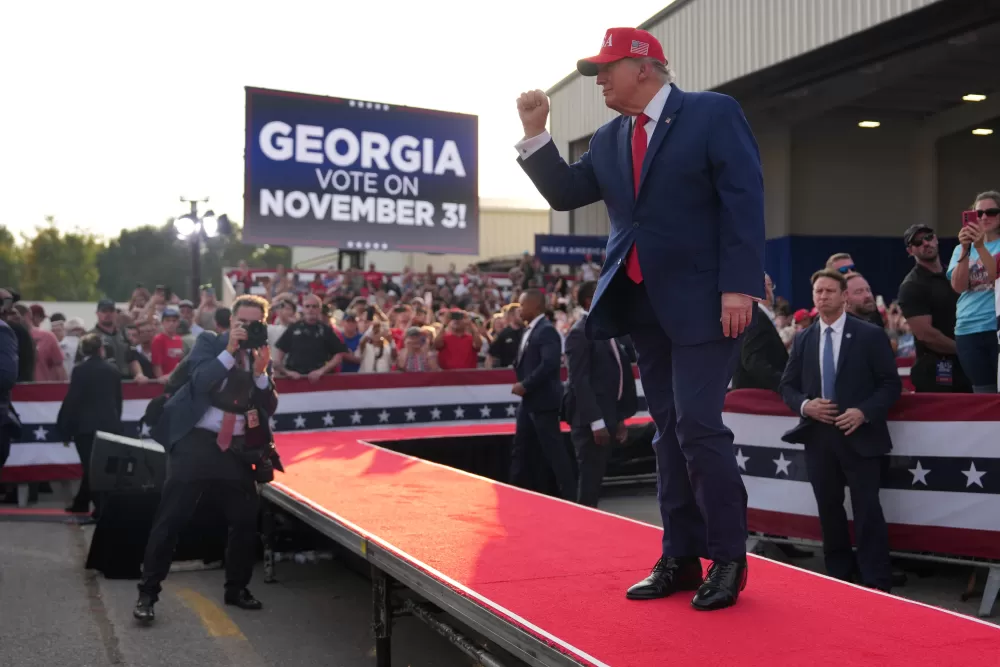
The air around Mar-a-Lago often carries a certain political charge, and last Friday was certainly no exception. Flanked by Hungarian Prime Minister Viktor Orbán, Donald Trump used the platform not just for diplomatic pleasantries but also to offer a rather unfiltered look into his current thinking on some truly pivotal issues facing the nation – particularly the Supreme Court, presidential power, and, of course, the economy.
Let's dive right into what he had to say about the Supreme Court, because it really touched on a couple of incredibly sensitive areas. First, there's the ongoing debate around presidential immunity. Now, the Supreme Court is currently weighing a pretty monumental decision on whether a former president can claim absolute immunity from prosecution for actions taken while in office. Trump, as you might expect, didn't mince words here. He truly believes that without absolute immunity, a president would be utterly "crippled" and unable to make the tough, decisive calls that the job demands. To his mind, it's about protecting the presidency itself, ensuring leaders aren't constantly looking over their shoulder, fearful of politically motivated attacks after their term ends. He called a ruling against immunity a "very bad decision for the country," underscoring the high stakes he perceives.
Then, there was his take on the Supreme Court's actions, or perhaps lack thereof, regarding the 2020 election cases. It's a topic he often revisits, and he did so again with palpable frustration. He unequivocally stated that the Court's refusal to hear those cases was a "tremendous lack of courage" and, frankly, "a horrible mistake." You could almost sense his conviction that if they had just stepped in, the country's trajectory might be entirely different today. It's clear that for him, the judicial branch missed a critical opportunity to intervene during a moment of profound national contention.
Shifting gears quite a bit, but staying firmly on brand, Trump also revisited his deep-seated commitment to tariffs. This isn't a new stance for him, by any stretch, but he reiterated it with the same gusto. He's talking about a universal 10% tariff, which he believes would be a game-changer, generating immense revenue for the U.S. Treasury. And for countries like China? He's advocating for tariffs that are even higher, much, much higher. His reasoning is straightforward: tariffs, in his view, are a powerful tool to protect American industries, bring manufacturing jobs back home, and force other nations to play fair in global trade. It's an interesting perspective, one he's held firm on for years now, steadfastly maintaining that it's the foreign nations footing the bill, not American consumers. He even pointed to periods of low inflation during his previous administration's tariff implementation as proof of his theory.
Overall, what emerged from that Mar-a-Lago gathering was a very clear, very characteristic blueprint of Trump's political philosophy. It's a vision rooted in a strong executive, a judiciary that he feels needs to be bolder, and an economy shielded by strategic tariffs. As the political landscape continues to evolve, these comments really offer a vivid glimpse into the policy priorities and legal interpretations that would undoubtedly define a potential second term.
Editorial note: Nishadil may use AI assistance for news drafting and formatting. Readers can report issues from this page, and material corrections are reviewed under our editorial standards.