Digital Rights Under Scrutiny: Delhi High Court Challenges Meta's Power Over WhatsApp Accounts
- Nishadil
- December 02, 2025
- 0 Comments
- 5 minutes read
- 49 Views
- Save
- Follow Topic

Advocate's Account Ban: Delhi High Court Demands Answers from Meta and WhatsApp on Fundamental Rights
The Delhi High Court has issued notices to Meta and WhatsApp following an advocate's plea against an arbitrary account ban, sparking a crucial debate on digital rights and platform accountability in India.
Imagine, for a moment, if your primary tool for professional communication – essentially, your digital lifeline – was suddenly cut off without a whisper of an explanation. That's precisely the unsettling scenario an advocate in Delhi found himself facing, prompting a rather significant intervention from none other than the Delhi High Court. It truly seems our courts are increasingly taking a hard look at the immense power wielded by tech giants like Meta and WhatsApp, especially when it touches upon the very livelihoods and fundamental rights of everyday citizens.
Gautam Kumar, a practicing advocate, approached the High Court with what was, no doubt, an urgent plea. His core contention? That his WhatsApp account had been summarily banned, seemingly out of the blue, and, quite frustratingly, without any prior notice or a chance to even offer an explanation. This isn't just a minor inconvenience, mind you; in today's hyper-connected world, losing access to such a foundational platform can be truly crippling, particularly for a professional whose work hinges so heavily on instant, secure communication.
What makes this particular case so compelling, you might ask? Well, Kumar argued rather passionately that this arbitrary ban wasn't just unfair; it directly, profoundly, infringed upon his fundamental rights as enshrined in the Indian Constitution. Specifically, he pointed to his right to freedom of speech and expression, a very cornerstone of any democratic society, and, perhaps even more critically, his right to practice his profession – his very means of earning a living. It absolutely brings into sharp focus that ongoing, vital debate around whether private platforms, due to their now undeniable ubiquitous nature, effectively become public spaces where constitutional rights should also be rigorously upheld.
For an advocate, you see, WhatsApp isn't merely for casual chats with friends or family. It has become an utterly indispensable tool for client communication, for securely sharing legal documents (often highly sensitive ones!), for coordinating swiftly with colleagues, and for staying updated on countless case developments. In short, it’s deeply, irrevocably embedded in the fabric of modern legal practice. The sudden, unexplained loss of this critical communication channel, without any immediate recourse, could undeniably paralyze his ability to serve his clients and fulfill his professional duties, leaving him, and by extension, his clients, in a quite precarious lurch.
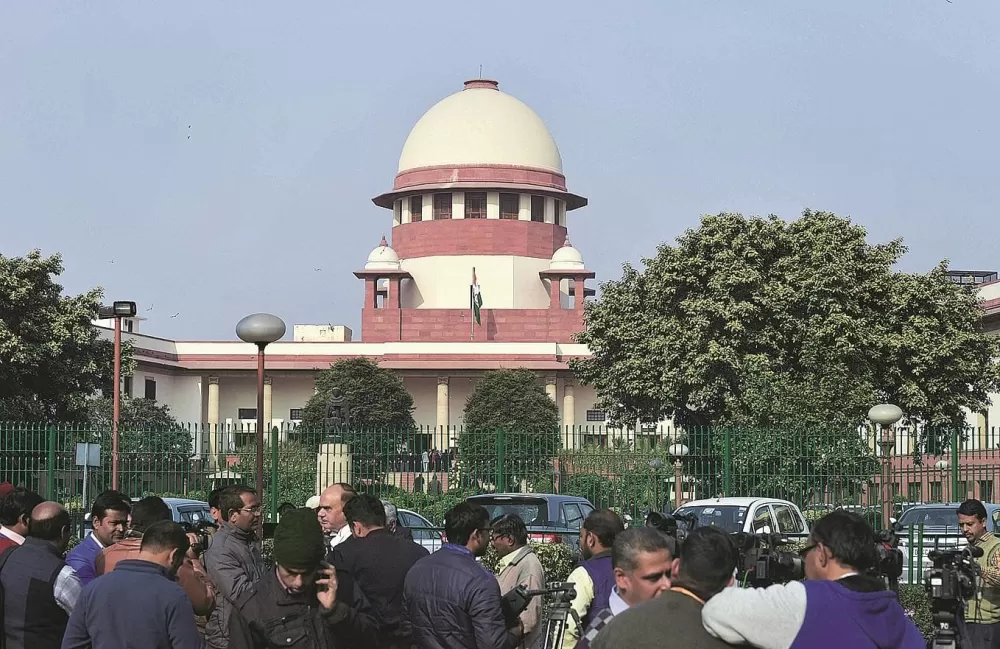
Recognizing the sheer gravity of these claims, Justice Subramonium Prasad of the Delhi High Court acted swiftly, and decisively. The court has, in fact, issued clear notices to both Meta Platforms (WhatsApp's parent company, let's remember) and WhatsApp LLC, demanding their detailed responses to Kumar's petition. This isn't just about one individual's account; it actually signals a growing, and frankly, very welcome, judicial scrutiny of the immense power social media platforms now wield, particularly regarding their terms of service and the often opaque, frustratingly inaccessible mechanisms they use to enforce them. It’s a very clear message, wouldn't you say, that these companies cannot operate entirely without oversight, especially when fundamental rights are so clearly at stake.
As these legal proceedings inevitably unfold, this particular case truly promises to be a pivotal one. It could potentially set vital precedents for how digital platforms are held accountable for their actions in India, especially when those actions directly impact users' most basic rights and their very livelihoods. For the millions of Indians who, like our advocate, rely on WhatsApp for everything from deeply personal connections to crucial professional engagements, the outcome of this petition will certainly be watched with exceptionally keen interest. It’s a fundamental, crucial step, really, towards defining the very boundaries of digital governance and ensuring that the virtual world remains a space where fundamental rights are genuinely respected, rather than just an unchecked, unregulated domain for powerful tech giants.
Editorial note: Nishadil may use AI assistance for news drafting and formatting. Readers can report issues from this page, and material corrections are reviewed under our editorial standards.