
Democracy's Crooked Lines: Unpacking the Gerrymandering Game
- Nishadil
- April 22, 2026
- 0 Comments
- 5 minutes read
- 33 Views
- Save
- Follow Topic
The Invisible Hand Twisting Our Votes: Why Gerrymandering Undermines Fair Elections
Gerrymandering, the strategic manipulation of electoral district boundaries, might just be the most insidious threat to fair elections today, quietly distorting voter representation and fueling partisan divides across the nation.
Ever feel like your vote doesn't quite carry the weight it should? Like the outcomes of elections, particularly at the congressional and state legislative levels, are almost predetermined before you even step into the polling booth? Well, you're certainly not alone in that sentiment, and there’s a deeply entrenched, often-overlooked practice at the heart of it all: gerrymandering.
It's a rather peculiar-sounding word, isn't it? But what it describes is anything but humorous or trivial. At its core, gerrymandering is when politicians draw electoral maps in a way that gives their own party an unfair, outsized advantage. Essentially, they're not just running for office; they're literally picking their voters, rather than the voters picking their representatives. Just think about that for a moment – the very essence of democracy, flipped on its head.
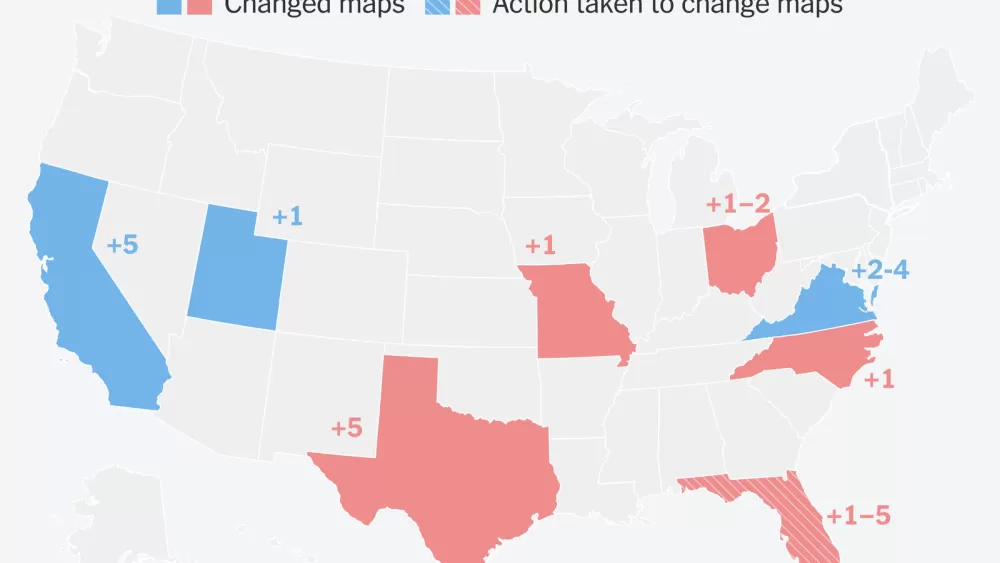
So, how does this political dark art work? Imagine a state where voters are roughly split 50/50 between two parties. If one party controls the process of drawing district lines, they can cleverly manipulate those boundaries. They might, for instance, 'pack' a huge number of opposing party voters into just a few districts, effectively wasting many of their votes. Or, conversely, they could 'crack' those opposing voters, spreading them thinly across many districts, ensuring their own party wins a slight majority in most of them. The result? A state legislature or congressional delegation that's heavily skewed toward the party that drew the maps, despite an even split in the overall vote.
And here's the really tricky part, the kind of political hypocrisy that can make your head spin: both major parties, Democrats and Republicans alike, are absolutely guilty of engaging in this practice whenever they get the chance. When one party controls the state legislature and the governorship, you can almost bet they'll seize the opportunity to redraw maps in their favor. It's a classic case of 'do as I say, not as I do,' where the principles of fair play often get tossed aside in the relentless pursuit of power.
But what does this all mean for us, the everyday citizens? The consequences are pretty far-reaching, actually. For starters, you end up with far fewer truly competitive elections. Why would politicians bother compromising or trying to appeal to a broad range of voters when their seat is practically guaranteed by a safe, gerrymandered district? This fosters extreme partisanship, as candidates only need to cater to their most fervent base to win primary elections, leading to more polarized political discourse and gridlock.
It effectively silences moderate voices and, frankly, makes a bit of a mockery of the fundamental idea of 'one person, one vote.' You wind up with a government that often doesn't genuinely reflect the diverse perspectives and needs of the people it's supposed to serve. This erosion of fair representation can lead to deep cynicism about the political process, making many feel their participation just doesn't matter.
So, what can be done to untangle these twisted lines? It's undeniably a tough nut to crack, involving complex legal battles, the push for independent redistricting commissions, and, perhaps most importantly, sustained public pressure. The fight for genuinely fair maps is absolutely crucial for the health and vitality of our democracy. Because if our individual votes don't truly count, if the system is rigged before we even get a chance to participate, then what kind of democracy are we really living in?
Ultimately, restoring integrity to our electoral maps isn't just about political fairness or who wins which election. It's about rebuilding trust in the very foundation of our representative system, ensuring that when we step forward to cast our ballot, we do so with the confidence that our voice, our choice, genuinely matters.
Editorial note: Nishadil may use AI assistance for news drafting and formatting. Readers can report issues from this page, and material corrections are reviewed under our editorial standards.


