Delhi's Streets Stir: Prominent Activists Detained Amidst 'Tiranga March' Plans
- Nishadil
- October 17, 2026
- 0 Comments
- 3 minutes read
- 9 Views
- Save
- Follow Topic
Key Protest Leaders Abhijeet Dipke and Neha Bora Detained in Delhi
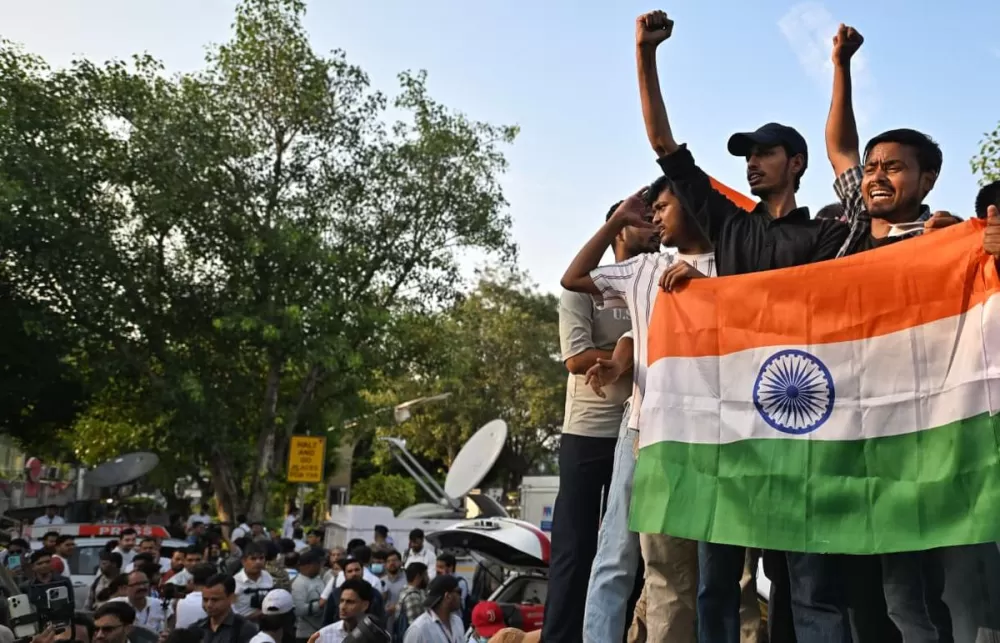
Delhi witnessed a tense Friday as prominent protest leaders, including Abhijeet Dipke of CJP and Neha Bora of AISA, were detained ahead of a planned 'Lehra Do Tiranga' march, sparking concerns over civil liberties and freedom of expression.
Friday, October 16, 2026, certainly wasn't a quiet day in Delhi. The capital city found itself in the grip of heightened security and political tension as police swiftly moved to detain prominent student and political activists. The air was thick with anticipation, you see, ahead of a planned 'Lehra Do Tiranga' (Hoist the Tricolor) protest march, an event meant to unfold right in the heart of the city, at Central Park in Connaught Place.
One of the first to be taken into custody was Abhijeet Dipke, the spirited founder of the Cockroach Janta Party (CJP). He was picked up from his residence in the Jhandewalan area, near Karol Bagh, well before the protest could even properly begin. It seems the authorities were determined to pre-empt any gathering, leaving little room for public demonstration on the streets that day. This wasn't Dipke's first brush with preventive detention; he, along with fellow CJP members Saurav Das and Ashutosh Ranka, had faced similar action just days earlier, on October 10, when they were taken into preventive custody and later furnished peace bonds after appearing before a Special Executive Magistrate in Delhi Cantonment.
Adding to the day's dramatic events, Neha Bora, the national president of the All India Students' Association (AISA), also found herself detained. She was trying to lead a march from Mandi House when police intervened. Her detention, much like Dipke's, raised crucial questions and, understandably, quite a stir. There were initial concerns regarding her whereabouts, with allegations even surfacing that she was held at the Anti-Narcotics Task Force in Mangolpuri and denied access to legal counsel – claims that only amplified the disquiet among activists and civil society.
However, by early Saturday morning, October 17, there was some relief as Neha Bora was finally released. Abhijeet Dipke, too, was produced before a Special Executive Magistrate's court at the Mandir Marg Police Station later that Saturday and was subsequently granted conditional bail. While their immediate freedom brought a measure of calm, the episode certainly underscored the often-precarious balance between public protest and state control in a charged political atmosphere.
It's worth noting that the day also saw other forms of dissent, albeit on a smaller scale. Students' Federation of India (SFI) and other Left student organisations staged a flash protest on Firozeshah Road, showcasing that despite the detentions, the spirit of protest wasn't entirely subdued. This collective action, even if fragmented, paints a picture of ongoing political discourse and resistance in Delhi.
The events of these two days, leading up to and following the 'Lehra Do Tiranga' call, highlight the challenges faced by activists and opposition figures in expressing their views. With prominent political leaders like Rahul Gandhi, Arvind Kejriwal, Akhilesh Yadav, M.K. Stalin, and even CPI(M) MP John Brittas often commenting on such incidents, the issue of civil liberties and the right to peaceful assembly remains a central point of debate in India's vibrant, if sometimes tumultuous, democracy.
Editorial note: Nishadil may use AI assistance for news drafting and formatting. Readers can report issues from this page, and material corrections are reviewed under our editorial standards.