Delhi's Air Quality Plummets to ‘Poor’ Amid Hazy Skies
- Nishadil
- October 22, 2026
- 0 Comments
- 2 minutes read
- 3 Views
- Save
- Follow Topic
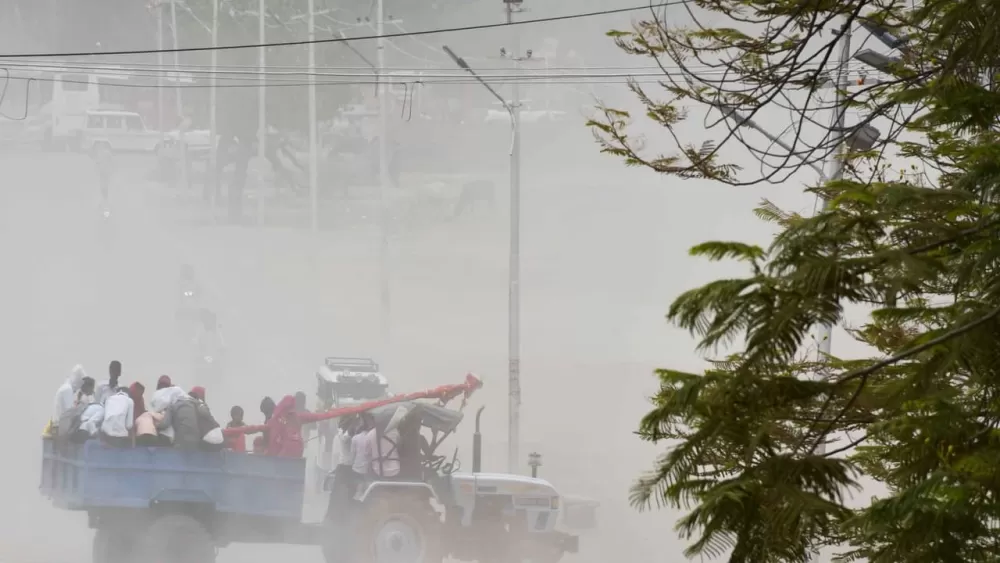
Haze Swallows Capital, AQI Jumps to 238, First ‘Poor’ Reading This Season
A thick haze following Dussehra celebrations pushed Delhi’s AQI to 238, slipping the city into the ‘poor’ category for the first time this season.
When the sun rose on Wednesday, Delhi woke up to a blanket of haze that felt almost tangible. The air, usually crisp after a light October rain, now carried a dull, grey weight that made people pause and look up.
According to the Central Pollution Control Board (CPCB), the Air Quality Index (AQI) hit 238 at 10 a.m., a jump of almost 60 points from the previous afternoon’s reading of 179. That figure nudged the capital into the ‘poor’ bracket – the first time it’s happened since mid‑July, when AQI values briefly touched 261 and 246.
It wasn’t just one corner of the city that suffered. Out of 56 monitoring stations that reported data, two sites – Jahangirpuri and Pusa – crossed the line into the ‘very poor’ range, recording AQI numbers of 308 and 314 respectively. Meanwhile, a handful of locations, like Anand Vihar, still managed to linger in the “moderate” zone.
What caused this sudden dip? Experts point to a combo of seasonal weather quirks. Temperatures have started to dip, and the wind, which usually helps disperse pollutants, has been oddly sluggish. Those calm conditions let fine particles hang around, stacking up to create the hazy curtain we’re now seeing.
For a quick glance at the recent trend, here’s how the numbers have behaved: October 12 and 16 enjoyed brief reprieves thanks to light showers, keeping AQI mostly in the “moderate” band. Then came a rise – 187 on the 18th, a dip to 139 on the 19th, and back up to 179 on Tuesday afternoon.
Under CPCB’s classification, an AQI between 201 and 300 is deemed “poor”, meaning people with asthma, heart issues, or any respiratory sensitivity might feel the pinch. The dominant pollutant? Fine particulate matter (PM10) continues to dominate the reading across most stations.
Looking ahead, the winter months traditionally spell trouble for Delhi’s air. Cooler temperatures, temperature inversions, and the usual uptick in vehicular and industrial emissions all conspire to keep the AQI on the higher side. Authorities warn residents to stay vigilant, limit outdoor activities when possible, and keep masks handy.
So, while the city basks in the post‑Dussehra glow, the air reminds us that the battle against pollution is far from over.
Editorial note: Nishadil may use AI assistance for news drafting and formatting. Readers can report issues from this page, and material corrections are reviewed under our editorial standards.