Delhi’s Winter Air: GRAP’s Mixed Results
- Nishadil
- October 24, 2026
- 0 Comments
- 3 minutes read
- 2 Views
- Save
- Follow Topic
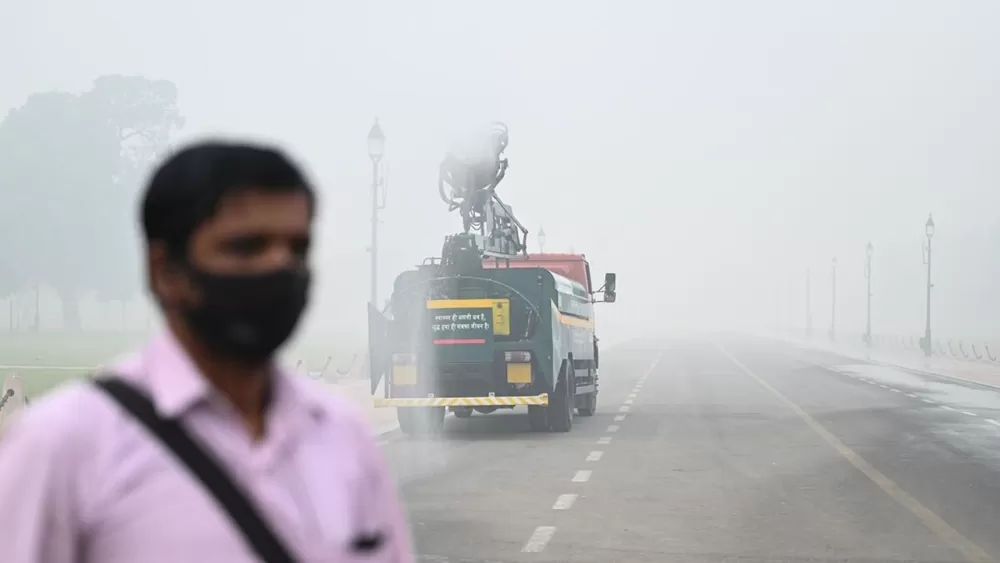
GRAP didn’t cure Delhi’s winter smog, but it may have averted an even grimmer picture
A new CREA analysis shows Delhi’s winter AQI has not improved despite GRAP, yet other research suggests the emergency plan still curbs the worst spikes.
Delhi’s fight against winter smog feels a bit like running on a treadmill – you keep moving, but the numbers on the screen barely budge. A recent study by the Centre for Research on Energy and Clean Air (CREA) looked at four consecutive winters and found that the average Air Quality Index (AQI) actually rose, from about 280 in 2022‑23 to roughly 295 in 2025‑26.
That rise has many wondering whether the Graded Response Action Plan (GRAP), the city’s emergency‑level pollution‑control playbook introduced back in 2016, is a dead‑end. The researchers dug into 12 episodes where the AQI jumped from a milder stage (I or II) to a severe one (III or IV). In ten of those cases, the air stayed foul or got worse in the following week.
But hold on – the data doesn’t prove that GRAP caused the deterioration. In fact, a separate paper by scientists at the Indian Institute of Tropical Meteorology and the Commission for Air Quality Management argues the opposite: without the GRAP restrictions, Delhi could have faced up to 60 % more hours of “severe” air quality, and the number of hours with AQI above 300 might have doubled.
In plain language, GRAP is more of a brake than a cure. When the AQI climbs past thresholds of 300, 400 or 450, the plan triggers stricter rules – limiting construction, curbing diesel generators, even halting school trips. Those actions tend to blunt the peaks, especially during the cold months when temperature inversions trap pollutants close to the ground.
Shambhavi Shukla of the Centre for Science and Environment puts it simply: “GRAP helps reduce the peaking of pollution.” The scale caps at 500, so during extreme events the index can’t reflect how much higher the actual concentrations get – another reason why the headline number sometimes feels misleading.
What the studies agree on is that relying on emergency measures alone won’t clean Delhi’s air for good. The city’s year‑round emission sources – traffic snarls, industrial stacks, construction dust and the occasional stubble‑burning episode – keep the baseline high.
Both CREA and the IITM‑CAQM team call for a shift in policy focus. Instead of treating GRAP as a permanent solution, they suggest it remain a last‑ditch safety net while the government pushes for sustained source‑level cuts. Better monitoring, faster data translation into action, and stricter enforcement could turn the tide.
So, has GRAP failed? Not entirely. It hasn’t delivered a steady drop in winter AQI, but without it the city might have faced an even more alarming scenario. The real challenge now is moving beyond the winter‑only playbook and tackling pollution all year long.
- India
- News
- Environment
- EnvironmentNews
- AirPollution
- PollutionControl
- DelhiAirQuality
- Cpcb
- DelhiAqi
- DelhiAirPollution
- AirQualityIndex
- IndiaEnvironment
- Grap
- WinterPollution
- DelhiAir
- AqiToday
- MumbaiAirPollution
- DelhiGrap
- SevereAirQuality
- GrapRestrictions
- CleanAirPolicy
- CreaStudy
- CreaAnalysis
- YearRoundEmissionCuts
- DelhiWinterAqi
- PollutionPeaks
- ShambhaviShukla
- WhatIsGrap
- GrapRulesToday
Editorial note: Nishadil may use AI assistance for news drafting and formatting. Readers can report issues from this page, and material corrections are reviewed under our editorial standards.