Dehradun's Fading Serenity: Air Quality Plummets, Experts Sound Alarm
- Nishadil
- December 18, 2025
- 0 Comments
- 3 minutes read
- 42 Views
- Save
- Follow Topic

Dehradun's Air Quality Takes a Nosedive into 'Poor' Category, Sparking Health Fears
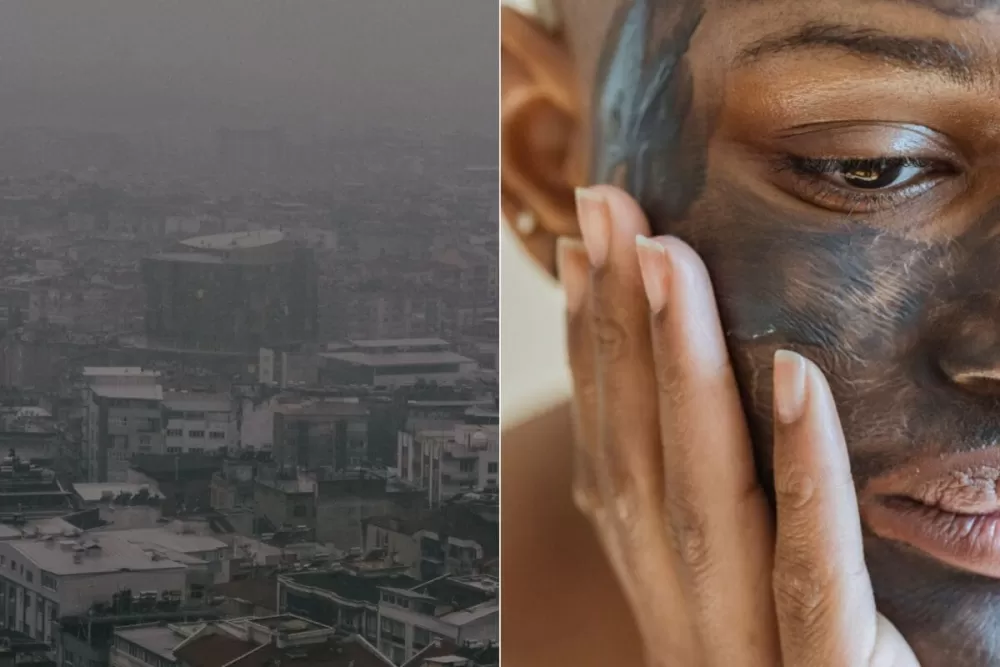
Once lauded for its clean air, Dehradun now grapples with alarming pollution levels, as its Air Quality Index (AQI) dips into the "poor" range, raising significant concerns among residents and environmental experts alike.
Dehradun, a city nestled gracefully in the lap of the Himalayas, has long been cherished for its crisp mountain air and stunning natural beauty. It's the kind of place you imagine escaping to for a breath of fresh air, literally. But lately, something unsettling has been happening in this tranquil valley. The very air that once defined its charm is now thick with pollutants, casting a worrying shadow over its serene landscape.
Just recently, the city's Air Quality Index, or AQI, took a rather dramatic turn for the worse. It slipped quite noticeably into the "poor" category, hovering around the 248-250 mark. Now, if you're like me, you might wonder what that even means. Well, simply put, an AQI in this range isn't just a number; it signals a significant health risk, particularly for those among us who are more vulnerable – children, the elderly, and anyone with existing respiratory or heart conditions. What’s even more striking, and frankly, a bit alarming, is that Dehradun’s air quality at this specific point was reportedly worse than even Delhi’s, a city infamously known for its smog! Just days prior, our air was merely "moderate," so this sudden plunge is definitely cause for concern.
So, what exactly is fueling this unwelcome change? It's a complex mix, really, but several culprits stand out. A major one, as you might guess, is the ever-increasing number of vehicles clogging our roads. Every car, scooter, and bus contributes its share of exhaust fumes to the atmosphere. Then there's the ongoing construction boom; building new structures invariably kicks up a tremendous amount of dust. Add to that the less visible, yet equally impactful, emissions from various industrial activities and the burning of biomass or waste – practices that, sadly, are still far too common. And let’s not forget the natural factors at play: stagnant air, especially during colder months, means pollutants just hang around longer, refusing to disperse.
The implications of breathing this less-than-ideal air are, unfortunately, quite serious. For a city like Dehradun, which prides itself on its health-giving environment, this pollution poses a direct threat to public health. We're talking about an increased risk of respiratory problems, aggravated asthma, heart disease, and a general decline in well-being. It's not just about an occasional cough; it's about the long-term health of our community, our children, and our seniors.
Environmental experts and concerned citizens are, understandably, sounding the alarm bells. They're not just observing; they're urging us all, from individuals to policymakers, to take immediate and decisive action. The calls are clear: we need to champion public transportation, encourage walking and cycling wherever possible, and ensure that construction sites are far stricter about dust control. Beyond that, there's a real need for robust enforcement of pollution control norms across the board and a dedicated focus on green initiatives to reclaim our city's clean air legacy. After all, Dehradun deserves to breathe freely again, don't you think?
Editorial note: Nishadil may use AI assistance for news drafting and formatting. Readers can report issues from this page, and material corrections are reviewed under our editorial standards.