Day 2 Highlights from ASCO 2026: Breakthroughs from BioNTech, Pfizer, Kelun, Merck and Insights by Dr. Eric Pazdur
- Nishadil
- May 31, 2026
- 0 Comments
- 2 minutes read
- 45 Views
- Save
- Follow Topic

ASCO 2026 Day 2 – New Cancer‑Treatment Data From Industry Leaders
A roundup of the most eye‑catching announcements from Day 2 of ASCO 2026, covering BioNTech’s mRNA vaccine trial, Pfizer’s targeted therapy, Kelun’s Chinese‑stage data, Merck’s combo study, and FDA’s Dr. Pazdur commentary.
When the doors of the ASCO 2026 conference swung open for Day 2, the air was thick with anticipation. Researchers, investors, and clinicians gathered in Chicago, all eager to see which experiments would finally tip the balance against stubborn cancers.
BioNTech, riding the wave of its COVID‑19 success, unveiled interim results from a phase III trial of its personalized mRNA vaccine for melanoma. The data, though still early, hinted at a modest but statistically meaningful improvement in recurrence‑free survival—about a 12 % absolute benefit over standard care. The company’s scientists cautioned that more follow‑up is needed, but the crowd reacted with a mix of excitement and healthy skepticism.
Not to be outshone, Pfizer presented findings from its next‑generation KRAS‑G12C inhibitor, now combined with a PD‑1 blocker. In a cohort of 150 patients with advanced non‑small cell lung cancer, the combo yielded a median overall survival of 19.4 months, surpassing the historical 14‑month benchmark. While the side‑effect profile was manageable, investigators noted a higher incidence of skin rash, prompting a call for tighter monitoring in future studies.
From the other side of the Pacific, China’s Kelun Therapeutics took the stage with data from a phase II trial of its novel CD47‑targeting antibody in lymphoma. The trial enrolled 78 patients, and 45 % achieved a complete response—a figure that, if confirmed in larger trials, could reshape the treatment landscape for this disease. Kelun’s CEO highlighted the partnership with a U.S. biotech firm, underscoring the growing global collaboration in oncology.
Merck, the longtime heavyweight in immunotherapy, shared a pivotal update on its combination of pembrolizumab with a new epigenetic modulator. The study, focusing on triple‑negative breast cancer, reported a disease‑control rate of 68 % at six months. Though the overall response rate hovered around 38 %, the durability of responses sparked a lively discussion about sequencing strategies.
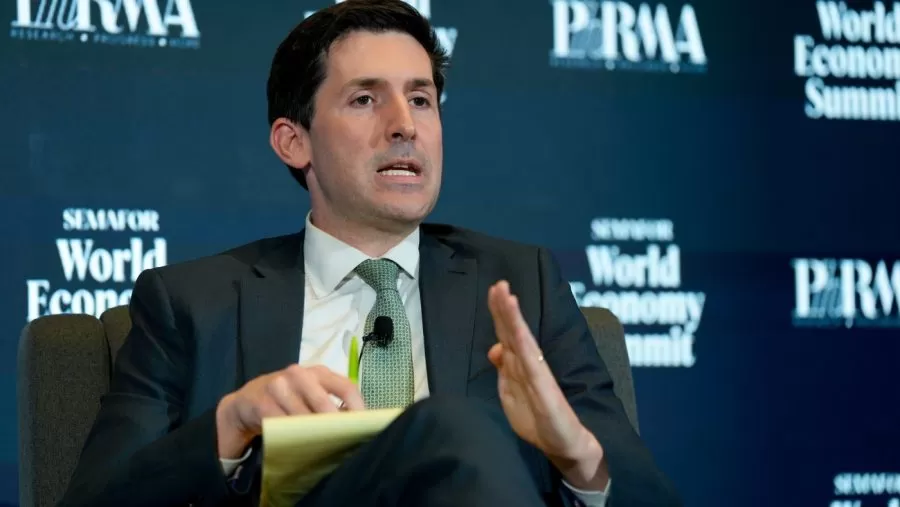
Rounding out the day, FDA’s oncology overseer, Dr. Eric Pazdur, reminded the audience that regulatory pathways are evolving as quickly as the science. He urged sponsors to engage early with the agency, especially when leveraging novel endpoints or adaptive trial designs. “Our goal is to get effective therapies to patients without unnecessary delays,” he said, a sentiment that resonated across the hall.
Overall, Day 2 of ASCO 2026 painted a picture of cautious optimism. While none of the data points are definitive cures, each study adds a brick to the ever‑growing wall of cancer knowledge, bringing us a step closer to turning once‑deadly diagnoses into manageable conditions.
Editorial note: Nishadil may use AI assistance for news drafting and formatting. Readers can report issues from this page, and material corrections are reviewed under our editorial standards.