Dasara 2026 – Karnataka’s Naada Habba Shines Across the State
- Nishadil
- October 23, 2026
- 0 Comments
- 3 minutes read
- 11 Views
- Save
- Follow Topic
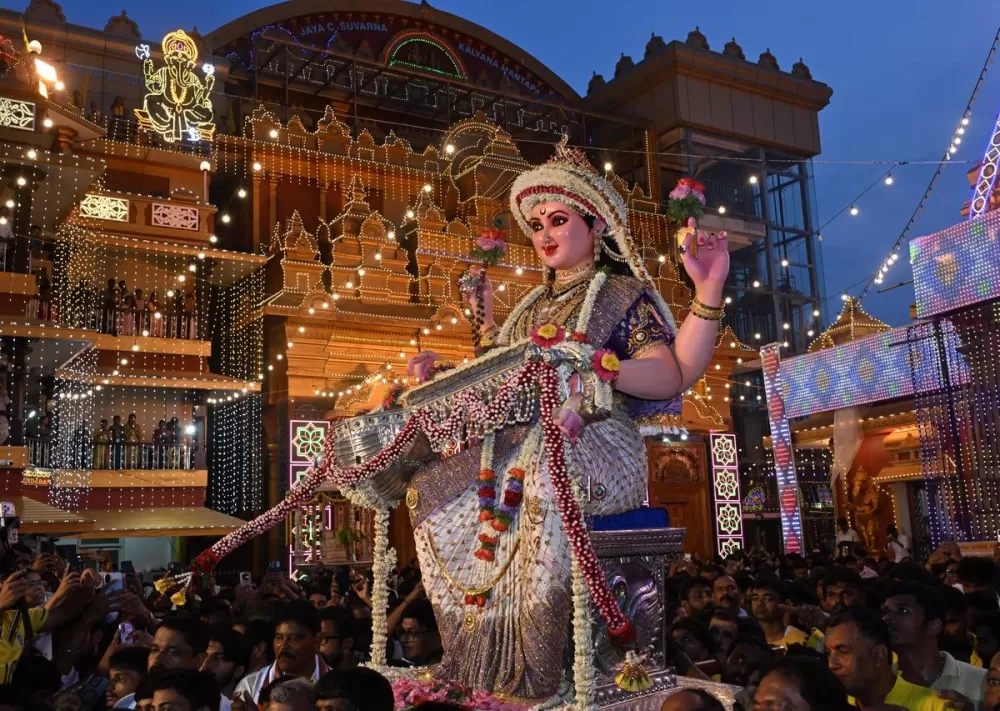
From Mysuru’s Jamboo Savari to Mangaluru’s Torchlight Parade, the 2026 Dasara festivities sparkle in every corner of Karnataka
The 2026 edition of Dasara, Karnataka’s beloved Naada Habba, spreads its colour, music and pomp far beyond Mysuru. From coastal processions in Mangaluru to folk dances in Kodagu, each district adds its own flavour to the ten‑day celebration.
When October rolls in, Karnataka comes alive with a rhythm that is part myth, part carnival and wholly spectacular. Dasara – affectionately called Naada Habba – isn’t just a single event; it’s a state‑wide carnival that stretches over ten glorious days, and the 2026 edition has proved that the festival’s heartbeat is stronger than ever.
Most outsiders picture Mysuru’s Jamboo Savari – the towering golden howdah, the trumpeting elephants and the fire‑lit streets – as the sole highlight. And yes, those images are unforgettable. But if you wander north to Kodagu, head west to Mangaluru, or slip into the verdant hills of Shivamogga, you’ll discover that each region has turned the festival into its own canvas of colour and sound.
Take Mysuru, for instance. The city’s torch‑light parade this year stretched for almost three kilometres, each float lit like a miniature sunrise. The golden howdah, carried by the celebrated elephant Somanna, glimmered against the night sky, while folk troupes performed daring dance‑dramas that told stories of Goddess Sharada’s triumph over darkness. It’s a sight that makes you pause, sigh, and maybe even wish you’d been born a little earlier to see it in its ‘classic’ form.
Down the coast, Mangaluru’s celebrations have a distinct flavour. The Kudroli Sri Gokarnanatha temple hosted a massive procession where the deity’s idol was taken through the streets, flanked by maroon‑clad drummers and shimmering lanterns. The city’s sea‑breeze carried the echo of conch shells, mixing with modern LED displays – a blend of tradition and tech that feels both nostalgic and fresh.
In the misty hills of Shivamogda, the Jamboo Savari took a wilder turn. A runaway howdah elephant named Prashanth – new to the role – startled onlookers as it meandered through the crowd, prompting spontaneous chants of “Mere Guru!” The incident, though a brief scare, turned into a story that locals will recount for years, adding a dash of drama to the usual grandeur.
Kodagu’s festivities, on the other hand, revolve around folk songs and the rhythmic beat of “kamsale” – a percussion instrument unique to the region. Villagers gathered around bonfires, sharing legends of the goddess, while younger generations posted colourful snapshots on social media, proving that the old and new can coexist quite beautifully.
Across districts, film stars and local celebrities have taken to the streets, sprinkling a little Bollywood sparkle onto the processions. Their presence, however, never overshadows the real stars – the devotees, the artisans crafting intricate tableaux, and the countless volunteers who set up stalls selling everything from jasmine garlands to spicy “bajji”.
What’s striking about Dasara 2026 is the way each community is upping the ante, making the celebrations bigger, brighter, and more inclusive. From elaborate lighting rigs in Mysuru to eco‑friendly bamboo décor in rural areas, the festival is evolving without losing its soul.
So, whether you’re watching the towering elephants from a bustling city square or sipping filter coffee while listening to a folk song echo from a hilltop village, one thing is clear: Karnataka’s Naada Habba is not just a festival – it’s a living, breathing tapestry of culture that keeps getting richer with every passing year.
Editorial note: Nishadil may use AI assistance for news drafting and formatting. Readers can report issues from this page, and material corrections are reviewed under our editorial standards.